How Temperature Controls Mehndi Paste Quality, Flow, and Stain Color
Hot, Cold, or Just Right? Mastering Temperature for Perfect Mehndi
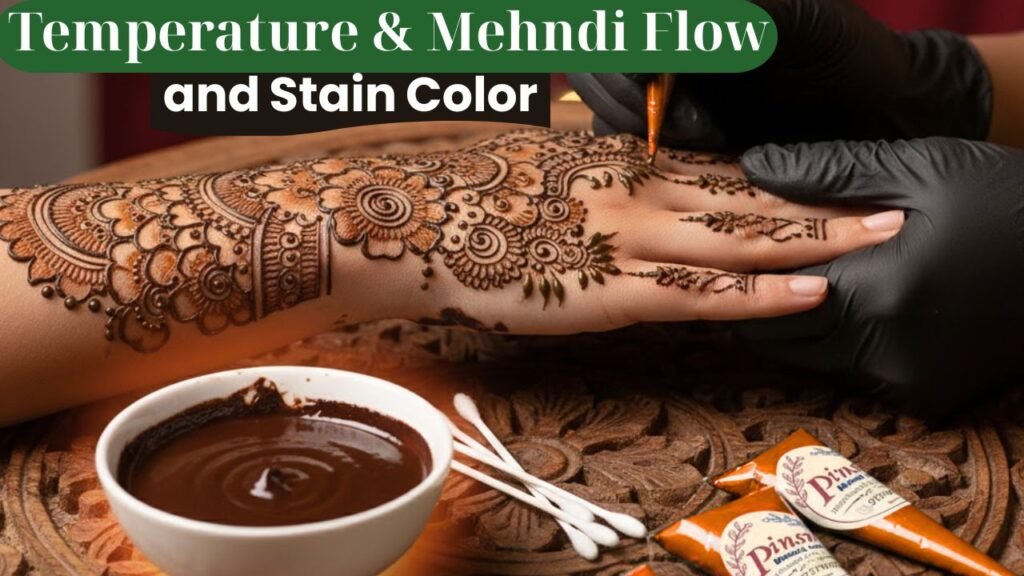
Ever noticed your mehndi stains fade quickly in winter or scorch in Indian summers? Or your cone breaks, clogs, or runs uncontrollably? Temperature is the hidden factor controlling Lawsone release, paste viscosity, and final stain quality. From mixing to storage to application, thermal conditions dictate every aspect of mehndi performance.
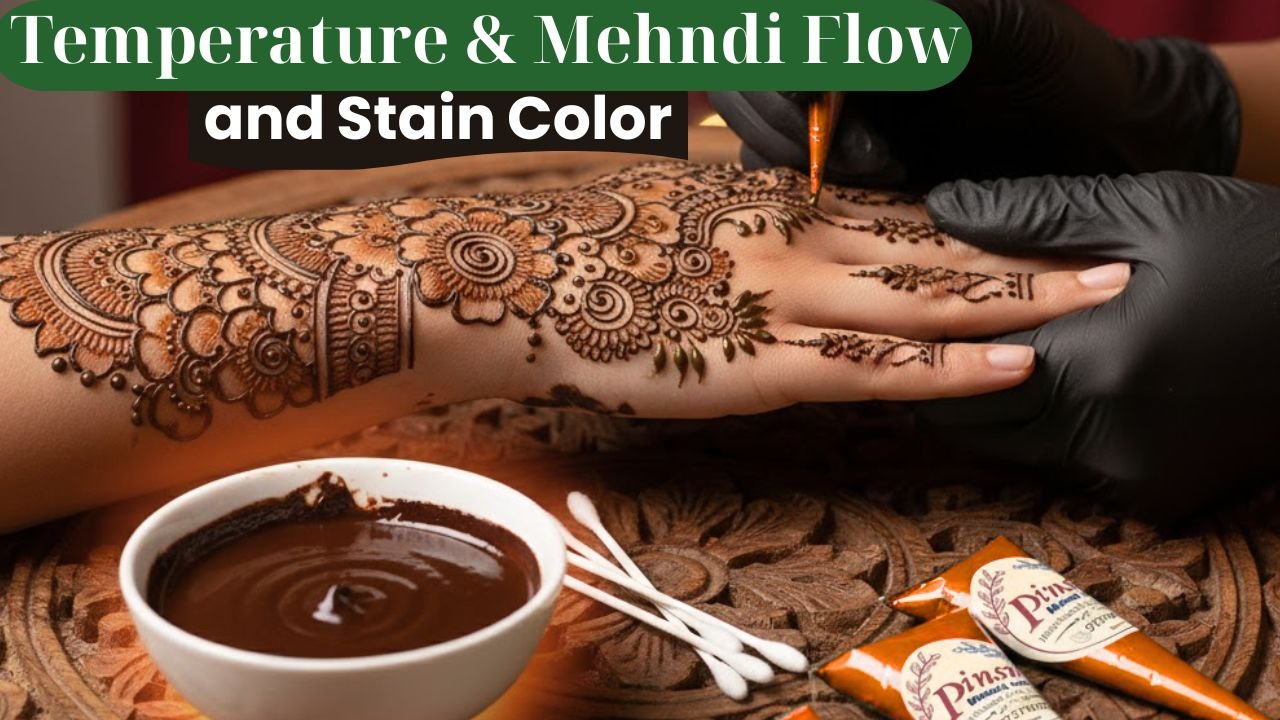
The physical behavior of mehndi paste under temperature stress is explained by Rheology—the science of flow. Temperature directly influences viscosity, which affects Flow Control, precision, and color intensity. Mastering it is key for bridal designs, festival work, or professional inventory management.
Master this with Professional Cones
The same products used in this guide are available in our shop.
Phase 1: High Temperatures and Dye Release
The Sweet Spot for Lawsone Release
Lawsone, the natural dye in henna, is tightly bound to the leaf’s cellulose. Warmth is necessary to unlock it for staining. For optimal dye release, the paste should rest at 24–30°C (75–86°F). Within this range:
- Dye develops fully without rapid decay
- Stain intensity is maximized
- Paste remains workable for application
Quick Hack: Mix paste in a shaded, ventilated area to prevent over-heating, especially in peak summer.
Inside this Guide:
Extreme Heat Risks
Temperatures above 40°C (104°F) accelerate Lawsone oxidation, causing:
- Pale or fast-fading stains
- Premature decay of paste
- Increased wastage and ruined bridal designs
Pro Tip: Use cooler liquids for mixing and store paste in a temperature-stable area. Never leave freshly mixed paste in direct sun.
Buy Mehndi Cones Pack of 12 – Natural, Organic & Dark Stain
Phase 2: Application Temperature and Flow Control
Viscosity and Rheology in Action
Paste temperature affects its rheology:
- Cold paste: Thick, stiff, difficult to squeeze → breaks lines, strains hands
- Warm paste: Runny, low viscosity → bleeds lines, blurs intricate designs
Ideal Application Temperature
Aim for paste that feels neutral to slightly warm. This ensures:
- Smooth, precise lines
- Controlled flow without clogging
- Consistent stain color
Seasonal Adjustments
- Winter: Warm cones by holding in hand or wrapping in towel to restore flow
- Summer: Chill cones briefly to prevent pre-release bleeding
Phase 3: Low Temperatures and Long-Term Storage
Deep Freezing for Preservation
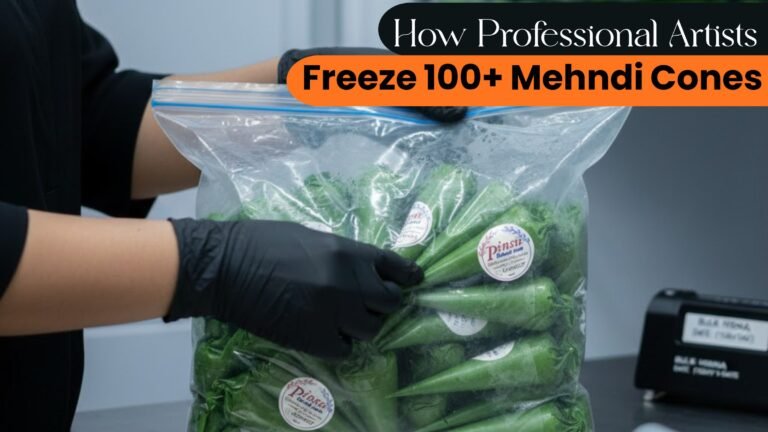
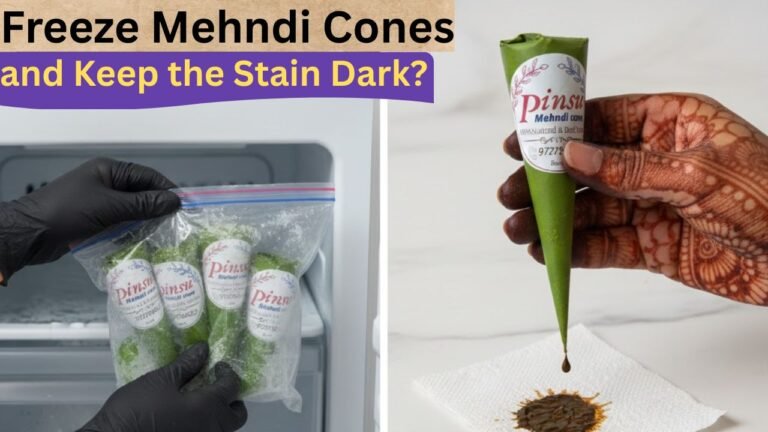
Professional artists preserve paste by deep freezing at −18°C (0°F). Benefits:
- Halts chemical activity
- Maintains Lawsone integrity for up to 6 months maximum
- Prevents paste from separating or decaying
Why Refrigeration Fails
Regular fridge storage is risky:
Buy Mehndi Cones Pack of 24 – Natural, Organic & Dark Stain
- Temperature fluctuates due to door openings
- Moisture causes mold and accelerates oxidation
- Paste loses potency in weeks instead of months
Pro Tip: Only deep freeze for long-term storage. Refrigeration is for short-term transport (<2 hours) or immediate use.
Practical Checklist: Adjusting Mehndi Paste for Indian Climates
| Climate | Mixing/Storage Tip | Application Tip |
| Summer | Use colder liquid; keep cones shaded | Apply immediately, avoid direct sun |
| Winter | Use warm liquid; wrap cones to maintain warmth | Test flow on paper before design |
| Hot & Dry | Airtight containers, freeze if needed | Monitor lines for bleeding |
| Cold & Humid | Seal paste well; avoid condensation | Warm cones for smooth flow |
Key Takeaway: Adjust paste temperature and storage based on local weather to maintain rich color, optimal viscosity, and Flow Control.
Featured Snippet-Optimized Questions
What is the Ideal Temperature Range for Lawsone Dye Release?
Answer: Optimal dye release occurs at 24–30°C (75–86°F). Above this, paste decays faster; below this, dye release slows.
How Does Cold Temperature Affect Mehndi Paste Flow?
Answer: Cold paste increases viscosity, making it thick and difficult to apply. Lines may break, causing hand fatigue.
Should Mehndi Cones Be Frozen or Refrigerated?
Answer: Freeze at −18°C / 0°F for long-term storage up to 6 months. Refrigeration causes moisture, mold, and paste degradation.
Last Words:
Mastering thermal management ensures perfect mehndi:
- Warmth (24–30°C / 75–86°F) unlocks Lawsone for rich color
- Neutral temperature allows smooth Flow Control during application
- Deep freezing (−18°C / 0°F) preserves paste integrity for months
Temperature is the single biggest factor controlling mehndi success—from mixing, through design, to storage. Proper thermal management reduces wastage, improves stain quality, and ensures reliable results every time.
More Design Inspiration