
Introduction: Mehndi as a Language of Blessing
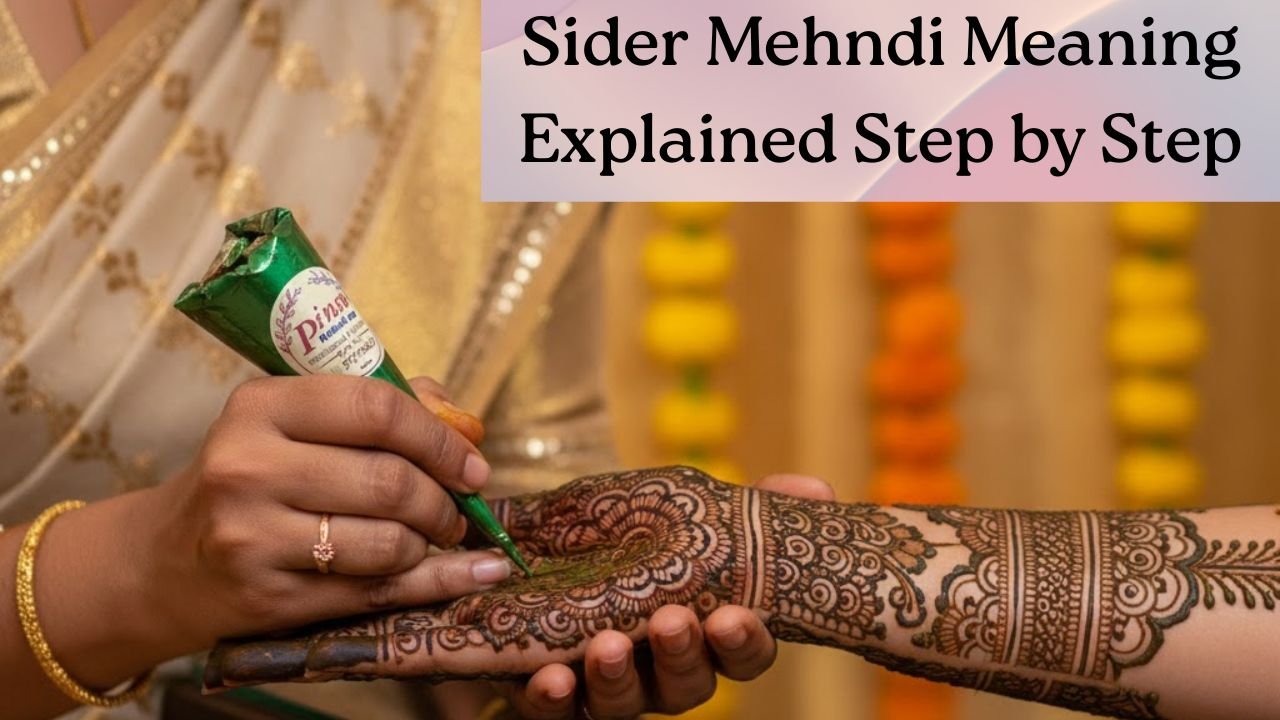
There’s nothing more meaningful than a Bridal Mehndi design that tells a story. Each stroke and swirl conveys prayers, blessings, and hopes for the bride.
Sider Mehndi is more than decorative filler. It focuses on specific motifs carefully placed on the sides or borders. These motifs carry cultural and spiritual significance, ensuring that every design element brings auspiciousness and meaning.
Master this with Professional Cones
The same products used in this guide are available in our shop.
For professional artists, understanding Sider Mehndi allows you to personalize designs and enhance the bride’s experience. It transforms Mehndi from simple body art into a sacred ritual.
Decoding the Core Sider Motifs
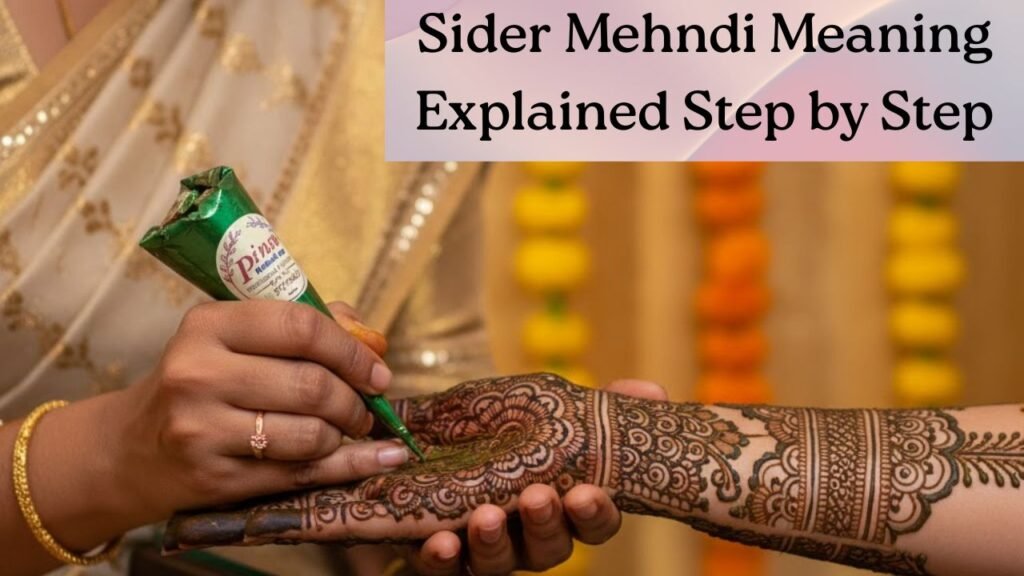
Here are the most common motifs and their significance:
Inside this Guide:
1. Peacock (Mayur)
- Meaning: Love, beauty, fertility. Represents the “eye of the beloved.”
- Sider Placement: Symmetrical on wrists or shoulders.
- Significance: Enhances romance and devotion in bridal designs.
2. Elephant (Hathi)
- Meaning: Strength, wisdom, good fortune. Sometimes depicted carrying a Kalash.
- Sider Placement: Along borders or edges of hands and feet.
- Significance: Symbolizes stability and marital foundation.
3. Lotus Flower (Kamal)
- Meaning: Purity, grace, spiritual growth. Reflects the marriage journey.
- Sider Placement: Filler or central medallion on arms or ankles.
- Significance: Symbolizes inner beauty and sacredness.
4. Kalash / Pot
- Meaning: Fertility, prosperity, abundance. Marks welcoming a new life stage.
- Sider Placement: Integrated into floral borders or carried by an elephant motif.
- Significance: Brings wealth and blessings to the marriage.
5. Lord Ganesha (Optional)
- Meaning: Remover of obstacles; ensures smooth beginnings.
- Sider Placement: Subtle near borders or wrists.
- Significance: Provides divine protection and blessings.
Other motifs, like fish (fertility), sun (energy), or mangoes (prosperity), may appear depending on regional traditions and family preferences.
The Significance of Placement
Placement defines the power and impact of Sider Mehndi:
Buy Mehndi Cones Pack of 12 – Natural, Organic & Dark Stain
1. Symmetry and Balance
Even motif placement on both hands and feet represents harmony and equality in marital life.
2. Protective Borders
Symbols along the edges ward off negative energy and guide blessings into the couple’s life.
3. Hiding the Groom’s Initials
A playful tradition involves subtly hiding the groom’s initials within the borders. This adds personal meaning and a layer of auspicious fun.
Practical Application for Artists
Artists can turn cultural knowledge into professional value:
Buy Mehndi Cones Pack of 24 – Natural, Organic & Dark Stain
- Consultation Strategy: Discuss the bride’s favorite motifs for the Sider section to personalize blessings.
- Filler vs Sider: Sider motifs are large, recognizable, symbolic, while main patterns (Jali, flowers) fill the background.
- Placement Advice: Keep symmetry and ensure Sider motifs enhance the overall design without overpowering the filler.
Summary Table: Key Sider Motifs
| Motif | Meaning | Placement | Significance |
| Peacock | Love, beauty, fertility | Wrists, shoulders | Romance & devotion |
| Elephant | Strength, luck, wisdom | Borders/edges of hands/feet | Stability & foundation |
| Lotus | Purity, grace, spiritual growth | Arms/ankles | Inner beauty & sacredness |
| Kalash | Fertility, prosperity | Floral borders / elephant motif | Wealth & abundance |
| Lord Ganesha | Obstacle remover | Borders/wrists | Divine protection & blessings |
Conclusion
Sider Mehndi is a visual language of blessings. Carefully chosen motifs like Peacock, Lotus, and Elephant transform a Bridal Mehndi design into a personalized sacred ritual.
Educating brides about the symbolism enhances the emotional value of your work and positions you as a trusted, professional artist.
Pro Tip: Encourage brides to choose motifs meaningful to their family to create a unique and auspicious design.