
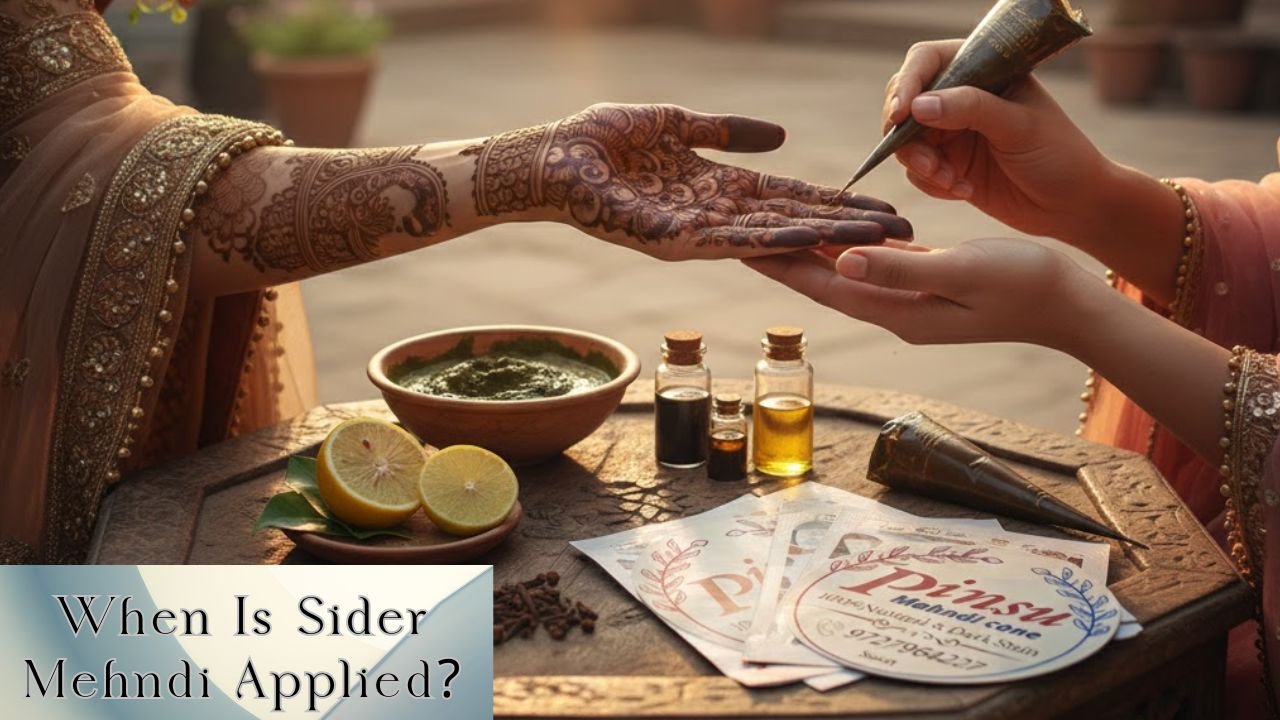
Every bride dreams of that deep, intoxicating mahogany stain—the kind that turns every glance into awe. This is more than art; it’s a whisper of tradition, a promise etched on the skin, and a prelude to the joy and blessings of the Shadi. Achieving this perfection requires more than a skilled hand—it hinges on timing. The ideal moment to apply the bride’s intricate Mehndi (or Sider Mehndi) is 2 to 3 days before the Shadi.
Quick Answer Box: Bridal Mehndi (Sider Mehndi) must be applied 48 to 72 hours (2–3 days) before the Shadi to let the lawsone dye in natural henna fully oxidize and develop its deepest mahogany colour, ensuring vibrant designs for all pre-wedding rituals.
Master this with Professional Cones
The same products used in this guide are available in our shop.
When the timing is right, the bride not only wears beauty on her hands and feet but carries a living, breathing symbol of love, joy, and auspicious beginnings throughout the wedding celebrations.
Why 2–3 Days Before is the Perfect Window: The Science Behind the Magic
This isn’t just chemistry—it’s an ancient secret refined over generations. Freshly applied Mehndi starts as a delicate orange, then slowly, almost magically, deepens over 48 to 72 hours into that rich, intoxicating mahogany that every bride desires. The lawsone molecules in the henna paste sink into the skin, gradually releasing their pigment, a silent ritual that transforms anticipation into beauty.
Inside this Guide:
How Many Days Before Wedding to Apply Mehndi
The optimal 48 to 72-hour window ensures that every curve, swirl, and intricate design reaches peak intensity. Apply it too early, and it may fade; too late, and the stain never reaches its full glory.
Bridal Henna Application Schedule
Professional bridal Mehndi takes 4–8 hours, depending on intricacy. Scheduling it 2–3 days before the Shadi gives the paste enough time to work its magic while leaving room for proper drying, aftercare, and participation in pre-wedding events like Sangeet and Haldi.
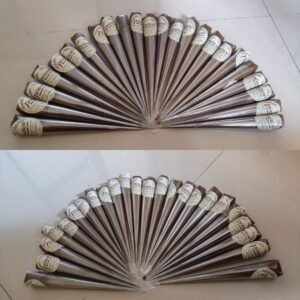
Buy Mehndi Cones Pack of 24 – Natural, Organic & Dark Stain
In this window, the bride’s journey begins: hands clasped in anticipation, the scent of henna mingling with music and laughter, and a sense of sacred transformation taking place with every stroke.
Understanding the Wedding Week Timeline (Sider Mehndi Placement)
The Mehndi Ceremony is a cherished prelude to the Shadi—a day filled with laughter, music, and anticipation. When is Sider Mehndi applied? 2–3 days before the Shadi, giving every swirl and motif time to mature into its deep, vibrant hue.
- Day -3 to -2: The Mehndi application begins. Friends and family gather, the room buzzes with excitement, and the bride begins to feel her journey toward the Shadi in every delicate curve painted on her palms.
- Day -1: Haldi ceremony occurs. The henna stain is fully matured and vibrant for Haldi photos and Sangeet performances, enhancing the bride’s natural glow.
- Wedding Day (Shadi): The dark Mehndi completes the Solah Shringar, making the bride radiate both beauty and tradition.
The Day-by-Day Schedule
| Day | Activity | Notes |
| Day -3 | Begin Mehndi application | Allows sufficient time for full colour development. |
| Day -2 | Overnight setting | Keep warm and avoid water for peak stain. |
| Day -1 | Haldi & Final touch-ups | Henna stain is fully matured and vibrant for Haldi photos and Sangeet performances. |
| Wedding Day | Shadi celebrations | Henna is at peak colour and enhances the bride’s Solah Shringar look. |
This roadmap transforms logistics into a narrative: each day a step closer to the Shadi, each hour building anticipation for the bride’s ultimate transformation.
The Sacred Significance: Why Timing & Dark Colour Truly Matter
Bridal Mehndi is far more than a decorative art—it’s a living tradition. Each swirl carries meaning; each hue, a blessing.
Buy Mehndi Cones Pack of 24 – Natural, Organic & Dark Stain
- Solah Shringar Connection: Dark Mehndi harmonizes with the 16 adornments of the bride, completing the Solah Shringar and framing the bride in beauty and grace.
- Love & Affection Symbolism: In tradition, the deeper the stain, the greater the love and acceptance from the husband and in-laws—a visual embrace of familial blessings.
- Ancient Therapy & Cooling Ritual: Applied to palms and soles of the feet, henna draws heat away, calming pre-wedding jitters. Every design is both art and balm, easing the bride into the Shadi with grace and composure.
Understanding Mehndi (the paste/art) versus the Mehndi Ceremony (the event) reveals the layers of culture, ritual, and emotion that make this practice so enduring.
5 Pro Tips for the Deepest, Darkest Sider Mehndi Stain
Here’s how brides can ensure their Mehndi tells a story of depth, beauty, and tradition:
- Preparation is Key (Pre-Application): Exfoliated, clean, and oil-free skin ensures better adhesion. Waxing or mani/pedi should be done 1–2 days prior.
- The Lemon-Sugar Secret (During Application): Gentle dabs of lemon-sugar solution keep the paste moist and help deepen the stain. Avoid over-saturation to preserve intricate details.
- Keep it Warm and Dry (Aftercare): Let Mehndi dry completely. Gentle warmth or cloves smoke intensifies the pigment. Rub in Vicks VapoRub, coconut oil, or mustard oil after scraping off dried paste to enhance longevity. Avoid water for 12–24 hours.
- Avoid Water Exposure Immediately: Plan showers and hand-washing post 12–24 hours to protect colour.
- Trust the Artist: Book a professional Mehndi artist who only uses 100% natural henna paste, avoiding chemicals that can cause allergic reactions or fade. Their hands guide the magic, turning anticipation into an unforgettable bridal moment.
Final Thoughts
For the perfect bridal Mehndi stain, the answer to “When is Sider Mehndi applied in weddings?” is definitively 2–3 days before your Shadi. This window ensures a deep, vibrant, and long-lasting stain that complements Haldi, Sangeet, and the Shadi itself.
Following expert preparation, application, and aftercare lets the bride experience every swirl of Mehndi as a blessing, a tradition, and a personal story.