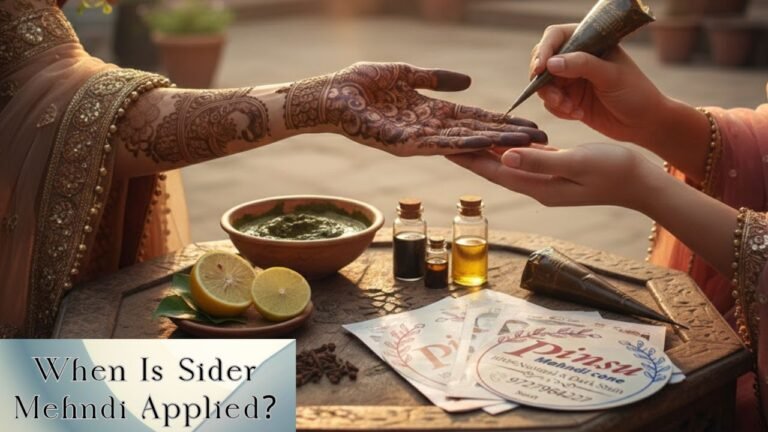
Arabic vs Indian Mehndi: 7 Key Differences in Style, Symbolism, and Coverage
Every bride dreams of hands that reflect her style, heritage, and celebration. Some choose intricate, dense patterns steeped in tradition, while others prefer flowing, bold designs that highlight minimalism and elegance. Understanding the differences between Arabic and Indian Mehndi is essential for selecting the right design for your bridal events.
Quick Answer Box: The main distinction between Arabic Mehndi and Indian Mehndi lies in coverage and flow. Indian designs (Bharwa style) are dense, covering palms and fingers with intricate patterns like Jaali and traditional motifs. Arabic designs feature bold, spaced-out motifs, leafy vines, and florals, flowing from wrist to fingers with negative space for a lighter, faster application.
Master this with Professional Cones
The same products used in this guide are available in our shop.
Knowing this helps brides confidently plan for their Shadi or pre-wedding ceremonies.
Decoding the Two Masters: Indian Traditional vs. Arabic Bold
The Essence of Indian Mehndi: Density and Detail
Indian Mehndi is all about precision, intricacy, and tradition. Bharwa designs cover palms, fingers, and sometimes forearms. Typical motifs include Jaali (netting), peacocks, paisleys, elephants, floral motifs, and gods. Fine lines and dense infill ensure a deep, lasting stain.
Inside this Guide:
The dense patterns also allow for cultural rituals like hiding the groom’s name within the design—an interactive tradition that adds fun and significance to the ceremony. Indian Mehndi is ideal for the main Shadi, representing love, prosperity, and fertility.
It is often called heavy bridal mehndi designs because of the full coverage and detailed artistry. Brides choosing Bharwa must be prepared for long application sessions, patience, and comfort considerations.

Buy Mehndi Cones Pack of 12 – Natural, Organic & Dark Stain
The Signature of Arabic Mehndi: Flow and Negative Space
Arabic Mehndi, often sharing elements with Moroccan or Gulf styles, emphasizes bold lines, flow, and negative space. Motifs typically include leafy vines, florals, and geometric shapes, leaving skin visible to highlight the design.
The emphasis on negative space is the primary difference in mehndi designs compared to Indian styles. Arabic designs usually flow from wrist to fingers, making them faster to apply. They are perfect for pre-wedding events like Sangeet or Mehndi parties, or when a modern, elegant look is desired. The lightness of design also ensures compatibility with Western attire.
7 Key Differences in Style, Motif, and Application
| Feature | Indian Mehndi (Bharwa) | Arabic Mehndi (Bail) |
| Coverage | Full palms, fingers, sometimes forearms | Partial: mostly wrists and back of hands, flowing fingers |
| Density | Dense, intricate, highly detailed | Spaced-out, bold, negative space prominent |
| Motifs & Symbols | Peacocks, elephants, gods, floral lattice | Leafy vines, flowers, geometric patterns |
| Application Speed | Slower: 4–8 hours | Faster: 1–2 hours |
| Line Thickness | Fine tip, delicate lines | Thick tip, bold strokes |
| Suitable Events | Shadi, traditional ceremonies | Pre-wedding parties, casual celebrations, Sangeet |
| Symbolism/Meaning | Represents complete conjugal love, fertility, and prosperity | Modern elegance, personal expression, easy coordination |
| Origin | South Asia (India, Pakistan) | Middle East, Gulf Region |
Coverage (Full vs. Partial)
Indian Mehndi ensures full hand coverage, ideal for rituals and photography. Arabic Mehndi allows breathing space, highlighting motifs while keeping application light.
Motifs & Symbols
Indian designs are rich with cultural and religious symbolism, while Arabic designs focus on bold, flowing floral and vine motifs.
Buy Mehndi Cones Pack of 24 – Natural, Organic & Dark Stain
Application Speed
Bharwa designs require patience and precision, sometimes taking 4–8 hours. Brides must also remain motionless for long periods, planning for food, comfort, and hydration. Arabic Mehndi, by contrast, takes 1–2 hours, ideal for quick pre-wedding functions.
Thickness of Lines
Indian Mehndi uses fine-tipped precision, while Arabic Mehndi relies on thicker, flowing strokes for high contrast and visibility.
Suitable Events
Bharwa is for main Shadi ceremonies, while Arabic Mehndi suits Sangeet, Mehndi parties, or modern bridal photoshoots.
Bridal Application: Which Style is Right for Your Shadi?
When Traditional Indian is Essential
Choose Indian Mehndi if you want:
- Dense, full-hand designs with intricate motifs.
- Deep cultural symbolism, including hiding the groom’s name.
- Maximum stain depth and traditional elegance for the main Shadi.
Why Arabic is Popular for Modern Brides
Opt for Arabic Mehndi if:
- You need fast application with minimal waiting.
- You prefer airy, bold motifs that complement jewelry and modern outfits.
- You are celebrating pre-wedding functions where light, flowing designs are perfect.
The Best of Both Worlds: Indo-Arabic Fusion
Many brides adopt a fusion approach:
- Indian Bharwa on palms for tradition and depth.
- Arabic Bail or Moroccan-inspired motifs on the back, ideal for photos holding the Jaimala or bouquet.
- Perfect for multi-day weddings and varied outfits without compromising beauty.
Final Thoughts
Understanding Arabic vs Indian Mehndi differences ensures you make a confident, informed choice. Indian Mehndi is dense, detailed, and symbolic, perfect for the Shadi. Arabic Mehndi is bold, flowing, and faster, ideal for modern pre-wedding events. Fusion designs balance tradition with style.
Regardless of whether you choose the ritualistic depth of Indian Mehndi or the bold elegance of Arabic Mehndi, your final decision should reflect your personality, bridal vision, and celebration style.
More Design Inspiration