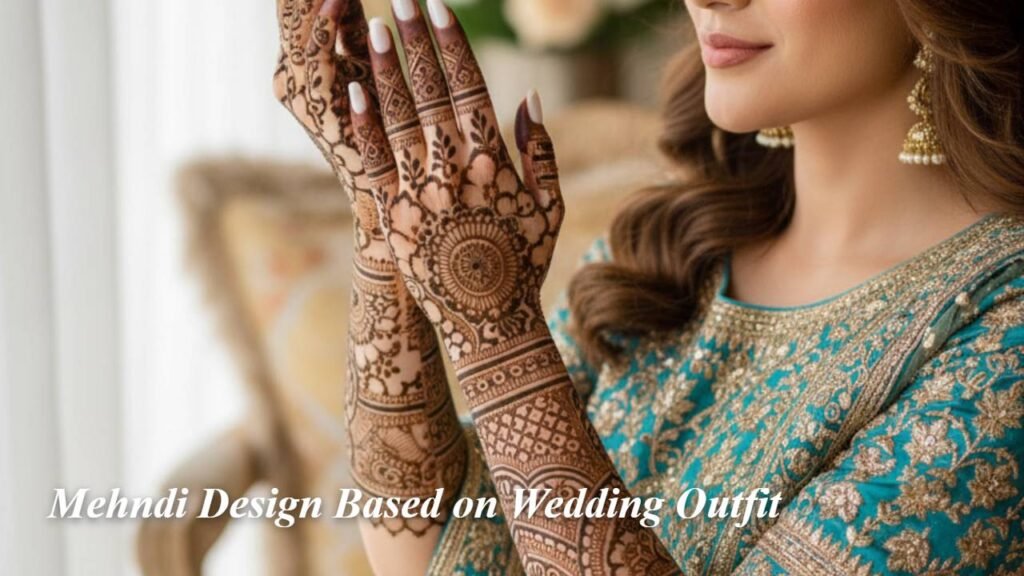
Mehndi Design Based on Wedding Outfit planning is one of the most overlooked bridal decisions. Brides carefully select lehengas, jewelry, and makeup. Yet many choose mehndi designs without considering outfit embroidery, fabric weight, and color palette.
Professional bridal styling demands harmony. Your henna pattern should complement your wedding attire, not compete with it. This detailed guide explains how to align mehndi artistry with bridal fashion using cultural knowledge, design structure, and practical expertise.
Master this with Professional Cones
The same products used in this guide are available in our shop.
Let us build your coordination strategy step by step.
Why Outfit Coordination Matters in Bridal Mehndi
Bridal mehndi is not isolated body art. It interacts with:
Inside this Guide:
- Lehenga embroidery
- Saree borders
- Dupatta drape
- Jewelry scale
- Photography lighting
When the design density matches outfit complexity, the final look feels balanced. Overly heavy mehndi with a minimal gown creates visual overload. Light Arabic patterns with a heavily embroidered lehenga appear incomplete.
Choosing a Mehndi Design Based on Wedding Outfit ensures visual harmony in every frame.
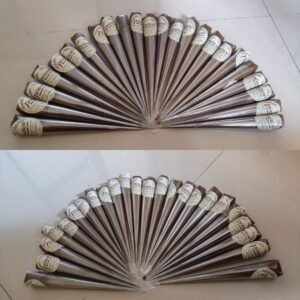
Buy Mehndi Cones Pack of 24 – Natural, Organic & Dark Stain
1. Analyze Outfit Embroidery Before Selecting Design
Embroidery density determines mehndi density.
Heavy Zardozi or Thread Work
If your lehenga features:
- Dense zari work
- Mirror embellishments
- Intricate motifs
- Layered textures
Then choose:
- Full-hand traditional bridal mehndi
- Dense jaali patterns
- Mandala layering
- Detailed fingertip filling
Minimal or Contemporary Embroidery
If your outfit is:
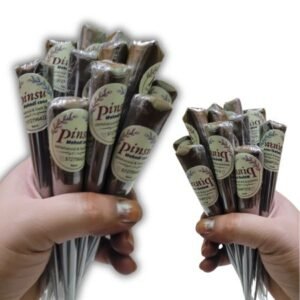
Buy Mehndi Cones Pack of 12 – Natural, Organic & Dark Stain
- Silk with light borders
- Pastel with subtle threadwork
- Structured modern gown
Then choose:
- Minimal bridal mehndi
- Arabic vine patterns
- Balanced negative space
- Fine-line detailing
Embroidery vs Mehndi Density Table
| Outfit Detail Level | Recommended Mehndi Style | Coverage |
|---|---|---|
| Heavy Royal Lehenga | Traditional Indian | Full hand & arm |
| Medium Embroidery | Fusion Style | Mid-arm |
| Light Modern Outfit | Arabic / Minimal | Wrist to mid-hand |
Matching density is the foundation of a proper Mehndi Design Based on Wedding Outfit decision.
2. Match Mehndi Style With Outfit Silhouette
Silhouette impacts design flow.
Lehenga
Lehengas allow grand storytelling designs. Heavy skirts and structured blouses pair well with elaborate dulha-dulhan motifs.
Saree
Sarees expose forearms elegantly. Flowing paisleys and wrist bands complement saree drapes beautifully.
Indo-Western Gown
Modern gowns demand sleek Arabic or geometric henna styles. Avoid excessive detailing that distracts from gown structure.
3. Coordinate Mehndi With Wedding Color Palette
Color psychology influences stain perception.
Henna darkens to reddish-brown within 48 hours. This shade interacts differently with outfit colors.
Red & Maroon Outfits
- Deep traditional mehndi enhances contrast
- Dense patterns amplify royal aesthetic
Pastel Shades
- Soft Arabic or minimal designs work best
- Avoid overly dark, crowded patterns
Emerald or Jewel Tones
- Fusion bridal mehndi balances richness
- Highlight symmetry and negative space
Color Coordination Table
| Outfit Color | Ideal Mehndi Tone Strategy |
|---|---|
| Deep Red | Dense traditional detailing |
| Blush Pink | Minimal or medium density |
| Emerald Green | Fusion balanced pattern |
| Ivory/Beige | Bold Arabic contrast |
Strategic color pairing strengthens your Mehndi Design Based on Wedding Outfit styling.
4. Consider Jewelry Scale & Placement
Jewelry competes visually with mehndi.
Heavy Bridal Jewelry
If wearing:
- Kadas
- Hathphool
- Layered bangles
Then avoid overly crowded wrist designs. Allow breathing space.
Minimal Jewelry
If opting for subtle bangles, heavier hand detailing works beautifully.
Always discuss jewelry during consultation.
5. Align Mehndi Motifs With Cultural Theme
Bridal mehndi carries symbolic value.
- Peacocks (beauty and grace)
- Paisleys (fertility and prosperity)
- Mandalas (wholeness)
- Floral vines (growth and harmony)
Regional styling varies:
- Rajasthani designs emphasize storytelling panels
- Gujarati styles highlight intricate jaali work
- Punjabi bridal mehndi uses bold symmetry
- South Indian henna often features temple-inspired motifs
Selecting motifs that match cultural wedding attire ensures authenticity.
A thoughtfully selected Mehndi Design Based on Wedding Outfit respects tradition while enhancing aesthetics.
6. Evaluate Photography & Lighting Conditions
Wedding photography influences final appearance.
Outdoor daylight enhances fine-line detail. Indoor warm lighting deepens stain appearance.
Heavy flash photography favors high-contrast patterns. Minimal designs may fade in wide shots.
Discuss photography setup with your mehndi artist.
7. Balance Hand & Foot Coordination
Bridal styling must remain cohesive.
If hands feature dense traditional work, feet should mirror similar motif weight. Light foot patterns with heavy hand coverage create imbalance.
Coordination Guide
| Hand Design | Recommended Foot Design |
|---|---|
| Full Traditional | Dense ankle-to-toe |
| Arabic Flow | Matching vine extension |
| Minimal Mandala | Simple toe accents |
| Fusion | Medium density symmetrical |
Consistency completes your Mehndi Design Based on Wedding Outfit strategy.
Technical Factors That Impact Design Choice
Beyond aesthetics, consider:
- Skin tone depth
- Cone quality
- Essential oil blend
- Climate conditions
- Application duration
Premium bridal cones produce richer stain. Proper aftercare ensures color depth that complements outfit hues.
Common Mistakes Brides Make
Avoid these styling errors:
- Selecting design before finalizing outfit
- Ignoring embroidery scale
- Overcrowding hands with heavy jewelry
- Choosing trends without cultural alignment
- Not planning stain timing
Strategic coordination prevents regret.
Step-by-Step Consultation Framework
Use this professional approach:
- Finalize wedding outfit.
- Photograph embroidery details.
- Share jewelry visuals with artist.
- Discuss regional theme.
- Choose density level.
- Review real stain photos.
- Schedule application 48 hours before wedding.
A systematic plan ensures your Mehndi Design Based on Wedding Outfit looks intentional.
Visual Harmony Formula for Brides
You can simplify coordination using this rule:
Heavy Outfit = Heavy Mehndi
Light Outfit = Balanced Mehndi
Modern Outfit = Sleek Mehndi
Traditional Outfit = Detailed Mehndi
Bridal styling should feel unified, not chaotic.
Frequently Asked Questions
1. Should I finalize mehndi before buying my wedding outfit?
No. Always choose mehndi after confirming outfit details.
2. Does outfit color affect mehndi stain appearance?
Yes. Dark outfits enhance contrast, while light outfits highlight fine lines.
3. Can I mix Arabic and traditional styles?
Yes. Fusion bridal mehndi works beautifully with semi-traditional outfits.
4. What if I change my outfit after booking the artist?
Inform your artist immediately to adjust design density and motifs.
5. How many days before wedding should mehndi be applied?
Apply two days before wedding to achieve optimal stain depth.
Final Thoughts
Selecting the right Mehndi Design Based on Wedding Outfit transforms bridal styling from random to refined. Outfit embroidery, color palette, jewelry scale, and cultural motifs must align with henna artistry. When these elements synchronize, the final look feels powerful, cohesive, and timeless.
Thoughtful coordination elevates mehndi from decoration to design mastery. Explore professional bridal mehndi guidance and premium cone options to ensure your wedding look achieves flawless harmony.
More Design Inspiration