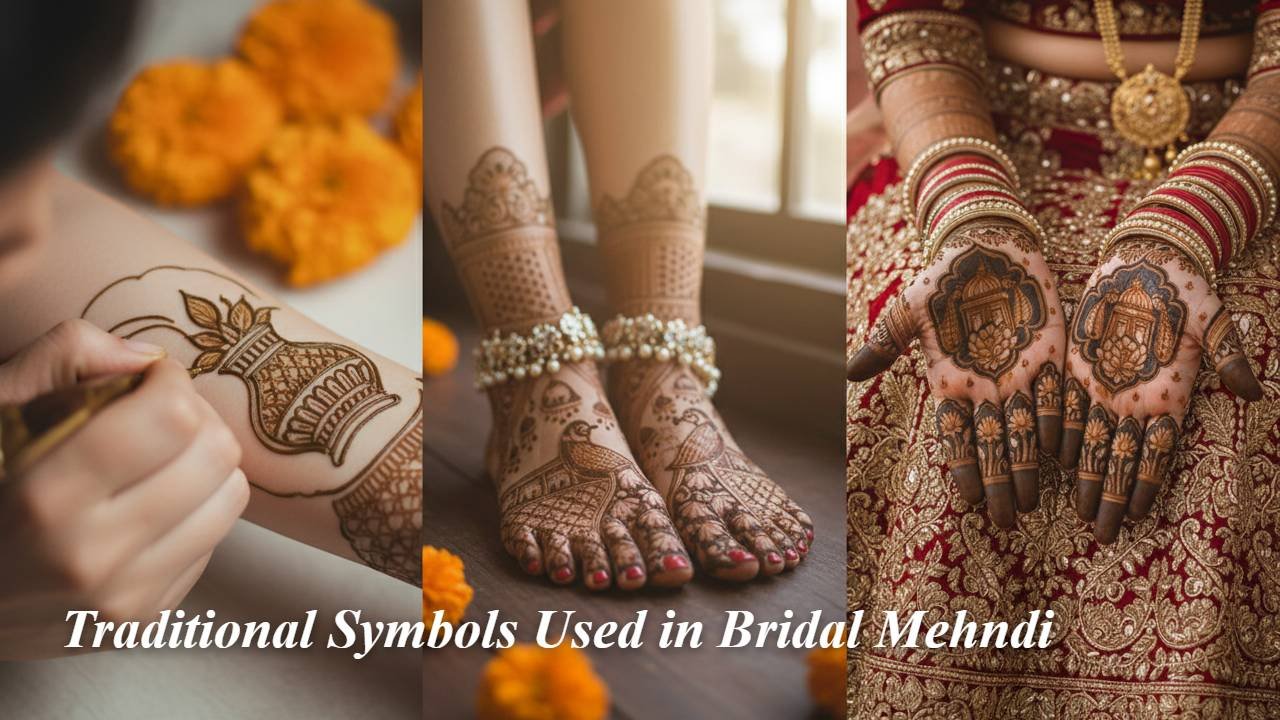
Traditional Symbols Used in Bridal Mehndi carry centuries of cultural meaning, emotional depth, and spiritual symbolism. Bridal henna is never just decoration. Each motif represents blessings, prosperity, fertility, protection, and lifelong love.
Brides often select designs based on visual appeal. However, understanding the symbolism behind patterns elevates bridal mehndi into a meaningful wedding ritual. This complete guide explores the heritage, regional variations, artistic techniques, and deeper significance of traditional bridal henna motifs.
Master this with Professional Cones
The same products used in this guide are available in our shop.
Let us explore the symbolism that transforms bridal mehndi into storytelling art.
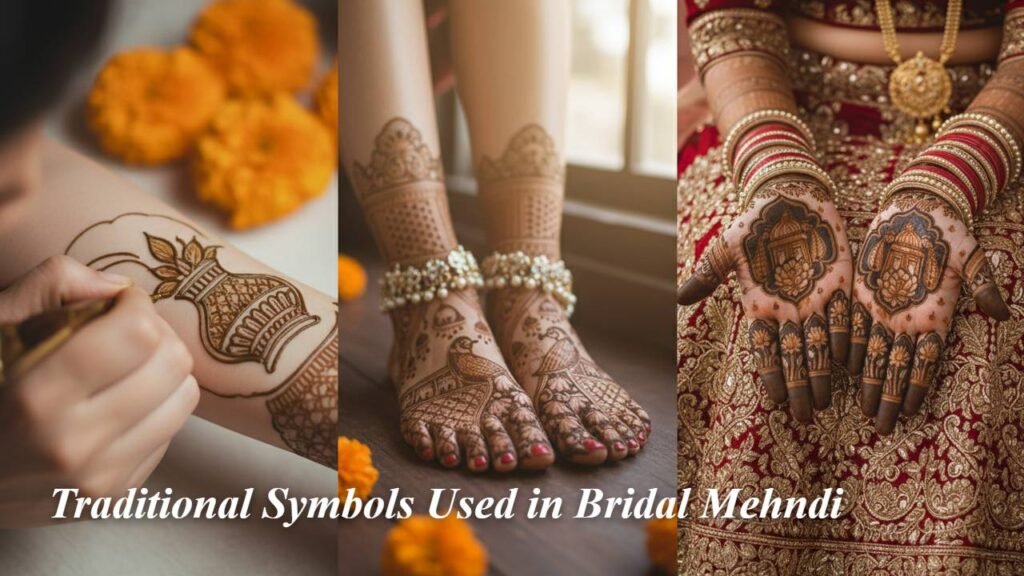
The Cultural Importance of Symbols in Bridal Mehndi
Henna application has roots in ancient South Asian, Middle Eastern, and North African traditions. Bridal mehndi evolved as a ceremonial art form reflecting:
Inside this Guide:
- Spiritual protection
- Marital prosperity
- Emotional bonding
- Cultural identity
- Family heritage
Traditional Indian weddings especially emphasize symbolic detailing in bridal henna. Dense patterns were believed to strengthen blessings and ward off negative energy.
The Traditional Symbols Used in Bridal Mehndi remain central to this sacred aesthetic.
Buy Mehndi Cones Pack of 12 – Natural, Organic & Dark Stain
Core Traditional Symbols Used in Bridal Mehndi
Below are the most significant motifs found in classical bridal designs.
1. Peacock (Mayur)
The peacock symbolizes grace, beauty, and romance.
Symbolic Meaning
- Love and passion
- Royal elegance
- New beginnings
Peacock motifs are common in Rajasthani and Gujarati bridal mehndi. Artists often place them on the palm center or forearm panels.
Design Technique
- Layered feather detailing
- Shaded body work
- Fine-line tail patterns
Peacocks add visual drama while maintaining cultural authenticity.
Buy Mehndi Cones Pack of 24 – Natural, Organic & Dark Stain
2. Paisley (Kairi)
Paisley remains one of the oldest Traditional Symbols Used in Bridal Mehndi.
Symbolic Meaning
- Fertility
- Prosperity
- Eternal growth
Paisley shapes resemble mango forms, representing abundance. These curved patterns create flow across the hand and wrist.
Application Style
- Repeated borders
- Filled with jaali work
- Combined with florals
Paisleys build structural rhythm in bridal compositions.
3. Mandala
Mandala designs represent wholeness and unity.
Symbolic Meaning
- Harmony
- Balance
- Completion
Circular mandalas often anchor the center of the palm. They symbolize the union of two souls.
Regional Influence
- North Indian bridal mehndi favors heavy mandala bases
- Minimal brides choose fine-line mandalas
Mandala symmetry requires precision henna application techniques.
4. Dulha-Dulhan Portraits
Portrait motifs personalize bridal mehndi.
Symbolic Meaning
- Union of bride and groom
- Shared destiny
- Eternal companionship
Artists create miniature bride and groom figures within panels. These are often placed on opposite hands.
Technical Requirements
- Ultra-fine cone tip
- Controlled paste flow
- Strong detailing skills
Portrait work demands high-quality bridal cones for sharp outlines.
5. Lotus Flower
The lotus represents purity and spiritual awakening.
Symbolic Meaning
- New beginnings
- Inner strength
- Divine blessings
Lotus motifs are common in traditional Indian bridal mehndi and temple-inspired South Indian designs.
6. Elephant Motif
Elephants symbolize strength and wisdom.
Cultural Relevance
- Associated with royal processions
- Linked to Lord Ganesha in Hindu weddings
Elephant patterns often appear in Rajasthani bridal mehndi storytelling panels.
7. Swirls and Jaali Patterns
Jaali (net patterns) enhance visual density.
Symbolic Meaning
- Protection
- Intricate life journey
These geometric grids fill negative spaces between major motifs. Jaali work increases stain richness due to dense coverage.
Symbol Comparison Table
| Symbol | Meaning | Region Popularity | Placement Area |
|---|---|---|---|
| Peacock | Love & beauty | Rajasthan, Gujarat | Palm, forearm |
| Paisley | Fertility & growth | Pan-India | Wrist, borders |
| Mandala | Unity & balance | North India | Palm center |
| Dulha-Dulhan | Marriage bond | Modern bridal | Forearm panels |
| Lotus | Purity & blessings | South India | Palm & wrist |
| Elephant | Strength & wisdom | Rajasthan | Upper arm |
This structured understanding helps brides choose meaningful motifs rather than random patterns.
Regional Variations in Traditional Symbols Used in Bridal Mehndi
Different Indian regions interpret symbolism uniquely.
Rajasthani Style
- Dense storytelling panels
- Elephant and royal procession motifs
- Heavy jaali coverage
Gujarati Style
- Detailed peacock patterns
- Mango paisley layering
- Symmetrical hand divisions
Punjabi Bridal Mehndi
- Bold floral symmetry
- Dulha-dulhan figures
- Heavy fingertip filling
South Indian Henna
- Temple architecture
- Lotus emphasis
- Balanced spacing
Understanding regional aesthetics strengthens bridal design authenticity.
How Artists Integrate Traditional Symbols
Professional artists follow a composition strategy.
Step-by-Step Integration Process
- Anchor motif selection (mandala or portrait).
- Add supporting motifs like paisleys or florals.
- Fill gaps using jaali or dot shading.
- Balance symmetry between both hands.
- Extend pattern flow toward elbows.
This layering method ensures harmony.
Selecting the right Traditional Symbols Used in Bridal Mehndi requires balance between meaning and visual proportion.
Symbol Density & Stain Impact
Dense symbolic work affects stain depth.
- Heavier coverage yields darker results.
- Fine-line minimal designs appear lighter.
- Shaded motifs deepen color intensity.
Premium organic henna cones improve detailing and stain longevity.
Proper aftercare enhances symbolic beauty by intensifying contrast.
Modern Adaptations of Traditional Symbols
Brides now personalize traditional motifs.
Popular customizations include:
- Groom initials hidden in paisleys
- Wedding dates within mandalas
- Cultural emblems blended into lotus petals
- Proposal scenes added to storytelling panels
Despite modern updates, core symbolism remains intact.
Traditional symbolism continues evolving without losing authenticity.
Common Mistakes When Choosing Symbols
Avoid these errors:
- Overcrowding too many motifs
- Mixing unrelated cultural symbols
- Ignoring outfit compatibility
- Choosing portraits without experienced artist
Strategic consultation prevents imbalance.
Why Symbol Knowledge Builds Bridal Authority
Understanding the Traditional Symbols Used in Bridal Mehndi allows brides to make informed decisions. It also enhances conversations during artist consultations.
Symbol awareness transforms bridal mehndi from surface art into meaningful storytelling.
Educated brides achieve timeless results.
Frequently Asked Questions
1. Are traditional symbols mandatory in bridal mehndi?
No. However, they enhance cultural depth and emotional meaning.
2. Which symbol is most popular for brides?
The peacock and mandala remain the most widely requested motifs.
3. Can I combine regional styles?
Yes. Fusion bridal mehndi blends motifs from different traditions beautifully.
4. Do traditional symbols affect stain darkness?
Density influences stain depth more than symbol type.
5. How do I ensure fine detailing in symbolic designs?
Choose experienced artists and premium-quality bridal cones.
Final Thoughts
Traditional Symbols Used in Bridal Mehndi preserve heritage, celebrate union, and express identity through intricate henna artistry. Each peacock feather, paisley curve, and mandala circle carries intention. When thoughtfully selected, these motifs elevate bridal mehndi from decorative pattern to powerful cultural expression.
Explore professional bridal mehndi artistry crafted with premium cones to bring meaningful symbolism beautifully to life on your wedding day.
More Design Inspiration