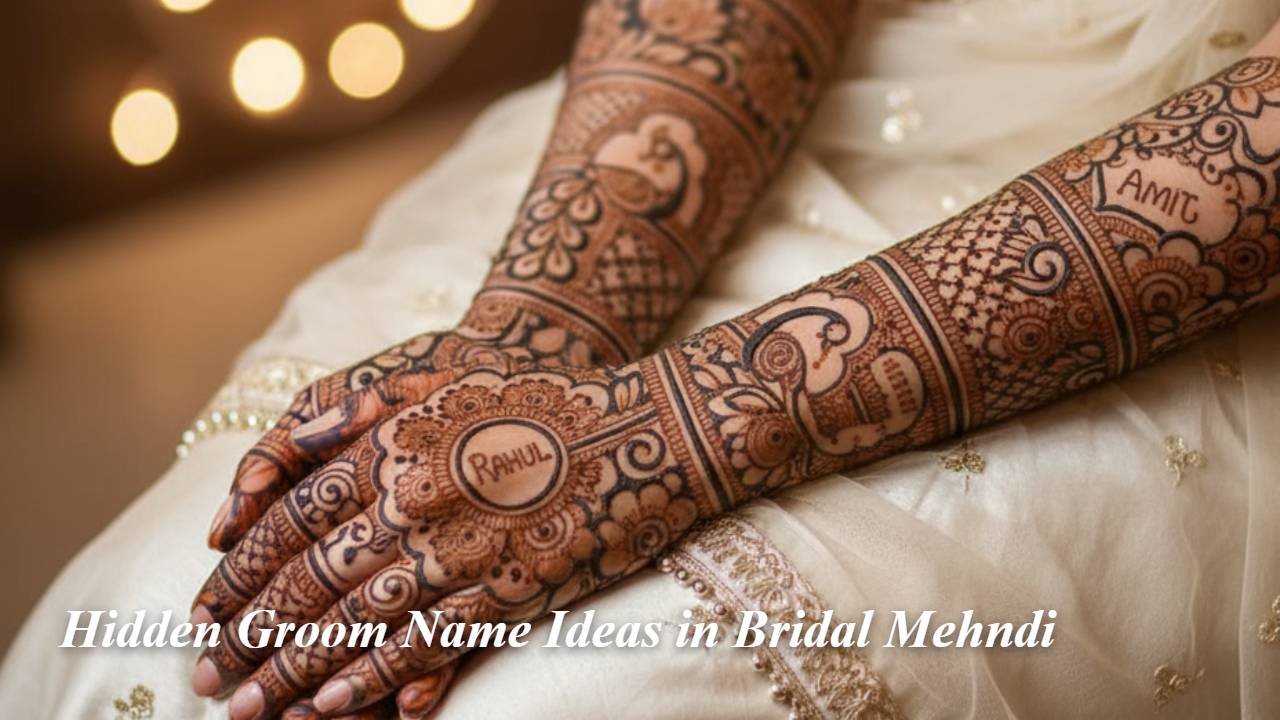
Hidden Groom Name Ideas in Bridal Mehndi have become one of the most loved wedding traditions in modern Indian ceremonies. What began as a playful ritual has evolved into a deeply symbolic design element within bridal henna artistry.
During post-wedding games, the groom searches for his name hidden within the bride’s intricate mehndi design. While it may seem simple, incorporating initials or full names into dense patterns requires advanced henna application techniques, design planning, and aesthetic balance.
Master this with Professional Cones
The same products used in this guide are available in our shop.
This complete guide explores creative placement ideas, cultural meaning, artistic execution, and professional strategies to ensure flawless results.

The Cultural Significance of Hiding the Groom’s Name
The tradition of hiding the groom’s name symbolizes:
Inside this Guide:
- Emotional bonding
- Playfulness in marriage
- Deep connection between partners
- Blessings for understanding and patience
Historically, bridal mehndi represented prosperity, protection, and love. Over time, personalized elements such as hidden initials enhanced emotional storytelling.
Today, brides actively request unique Hidden Groom Name Ideas in Bridal Mehndi alongside creative mehndi design ideas for the bride’s family members.
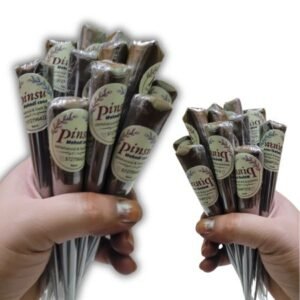
Buy Mehndi Cones Pack of 12 – Natural, Organic & Dark Stain
Why Personalization Matters in Bridal Mehndi
Modern bridal mehndi combines:
- Traditional motifs
- Cultural symbolism
- Contemporary customization
- Fine-line detailing
Adding the groom’s name transforms a classic design into a personalized narrative. However, improper placement can disrupt pattern symmetry.
Professional planning ensures the hidden name blends seamlessly into:
- Paisley curves
- Mandala layers
- Jaali grids
- Floral vines
Thoughtful execution is essential.
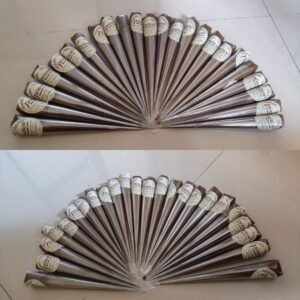
Buy Mehndi Cones Pack of 24 – Natural, Organic & Dark Stain
9 Stunning Hidden Groom Name Ideas in Bridal Mehndi
Below are the most creative and technically refined methods used by expert artists.
1. Initials Inside Mandala Center
Mandala centers offer perfect circular symmetry.
Why It Works
- Central focal point
- Easy concealment within layered petals
- Balanced composition
Artists embed initials within micro-pattern shading. Only close inspection reveals the hidden detail.
2. Paisley Curve Integration
Paisley motifs provide natural curved space.
Technique
- Insert name along paisley spine
- Use negative space contrast
- Blend letters into leaf edges
This technique works beautifully in traditional Indian bridal mehndi.
3. Jaali Grid Camouflage
Jaali patterns create dense net-like backgrounds.
Advantage
- Letters merge with grid lines
- Maintains overall density
- Ideal for long names
This method is subtle yet effective.
4. Finger Detailing Placement
Fingertips often contain fine geometric filling.
Strategy
- Hide initials between fingertip bands
- Use micro-script technique
- Keep strokes ultra-thin
This placement adds intimacy to the design.
5. Dulha-Dulhan Portrait Frames
Modern bridal mehndi frequently includes bride-groom portraits.
Integration Idea
- Add groom’s name beneath portrait
- Incorporate initials into turban detail
- Hide name inside bridal veil design
Portrait-based placement demands advanced cone control.
6. Wrist Band Script Style
Wrist cuffs resemble jewelry.
How It Works
- Create bracelet-style henna band
- Embed cursive lettering within border
- Maintain symmetry across both wrists
This idea balances modern elegance and tradition.
7. Arabic Vine Flow Placement
Arabic patterns feature flowing floral trails.
Creative Approach
- Extend vine into scripted name
- Blend letters into leaf stems
- Use elongated script for seamless flow
Arabic-style bridal mehndi allows subtle personalization.
8. Ring Finger Accent Design
The ring finger symbolizes marriage.
Symbolic Advantage
- Emotional placement
- Easy to hide under heavy detailing
- Looks stunning in close-up wedding photos
This technique complements engagement photography.
9. Hidden Within Groom’s Initial Symbol
Some brides transform the first letter into a decorative motif.
Example
- Letter “A” shaped into floral arc
- Letter “S” designed as paisley twist
- Letter “R” hidden within peacock feather
Creative typography enhances artistic depth.
Placement Comparison Table
| Placement Area | Visibility Level | Difficulty Level | Best For |
|---|---|---|---|
| Mandala Center | Medium | Moderate | Short initials |
| Paisley Spine | Low | Moderate | Traditional brides |
| Jaali Grid | Very Low | High | Long names |
| Wrist Band | Medium | Easy | Modern brides |
| Portrait Frame | Low | High | Detailed bridal designs |
| Ring Finger | Medium | Easy | Minimal accents |
Selecting the right placement improves overall symmetry.
Technical Considerations for Hidden Name Designs
A flawless Hidden Groom Name Ideas in Bridal Mehndi execution requires technical precision.
Key Factors
- Fine cone tip quality
- Fresh organic henna paste
- Proper essential oil blend
- Steady hand control
- Balanced spacing
Low-quality cones cause blurred letters. Premium bridal cones ensure crisp detailing.
Balancing Tradition With Modern Creativity
Brides often ask whether personalization reduces traditional value.
The answer is no.
When integrated properly, hidden names enhance symbolism without compromising authenticity. Regional styles such as Rajasthani storytelling panels or Gujarati paisley layouts accommodate hidden script beautifully.
Fusion bridal mehndi styles combine Arabic flow with Indian density for balanced personalization.
Common Mistakes to Avoid
Avoid these errors when choosing Hidden Groom Name Ideas in Bridal Mehndi:
- Oversized lettering disrupting symmetry
- Using bold fonts inside dense designs
- Ignoring stain development timing
- Choosing inexperienced artists
- Placing name in high-friction areas
Professional consultation prevents visual imbalance.
When Should the Name Be Applied?
Timing impacts clarity.
Apply bridal mehndi two days before the wedding. This allows oxidation to deepen stain and enhance letter contrast.
Avoid excessive washing within 24 hours.
Use natural oil after scraping dried paste.
How to Discuss Hidden Names During Consultation
Follow this structured approach:
- Share groom’s full name and nickname.
- Decide whether to use initials or full name.
- Select placement style.
- Review artist portfolio for similar work.
- Confirm stain depth expectations.
Planning prevents last-minute improvisation.
Why This Tradition Continues to Grow
Social media photography has increased demand for personalized bridal mehndi.
Close-up ring shots highlight hidden initials. Wedding reels showcase playful name-finding games.
The tradition now blends emotional intimacy with artistic innovation.
Thoughtfully executed Hidden Groom Name Ideas in Bridal Mehndi create lasting memories.
Frequently Asked Questions
1. Should I use full name or initials?
Initials are easier to conceal. Full names require advanced detailing.
2. Does hidden lettering affect stain darkness?
No. Density and paste quality determine stain depth.
3. Can Arabic bridal mehndi include hidden names?
Yes. Vine flow designs allow elegant script integration.
4. What is the best placement for long names?
Jaali grids or wrist bands work best for longer lettering.
5. How early should I discuss hidden name placement?
Discuss during consultation to allow proper design planning.
Final Thoughts
Hidden Groom Name Ideas in Bridal Mehndi blend tradition, artistry, and playful symbolism into one meaningful element. When integrated carefully, the groom’s name becomes part of a larger cultural story rather than a separate feature. Professional planning, premium cones, and expert application ensure crisp lettering and balanced design.
Explore personalized bridal mehndi artistry crafted with precision to transform your wedding henna into a timeless expression of love.
More Design Inspiration