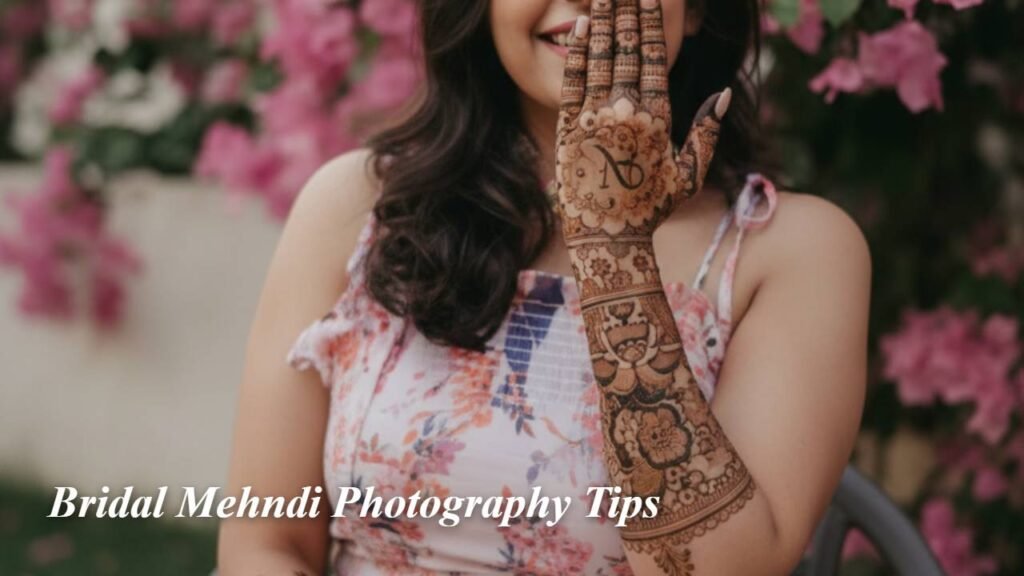
Bridal Mehndi Photography Tips can transform intricate henna art into timeless wedding memories. Bridal mehndi is not just a ritual. It is detailed craftsmanship featuring mandalas, paisleys, Arabic vines, jaali patterns, and symbolic storytelling elements. Without proper photography planning, even the most exquisite design may lose its impact.
Modern wedding albums dedicate entire sections to bridal henna. Close-up ring shots, candid laughter frames, and symmetrical palm portraits highlight every line and shade. This comprehensive guide explains how to capture bridal mehndi perfectly through lighting, timing, styling, pose selection, technical camera settings, and preparation strategy.
Master this with Professional Cones
The same products used in this guide are available in our shop.
Let us explore how to elevate your bridal henna photography to a professional level.
Why Bridal Mehndi Photography Deserves Special Attention
Bridal mehndi is highly detailed art. Fine lines, shading layers, and negative space patterns require clarity. Standard wedding photography techniques often overlook these nuances.
Inside this Guide:
Effective Bridal Mehndi Photography Tips ensure:
- Sharp line visibility
- Rich stain color accuracy
- Proper symmetry display
- Cultural symbolism emphasis
- Balanced composition
When executed correctly, henna photography enhances emotional storytelling within the wedding album.
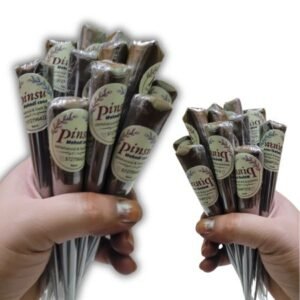
Buy Mehndi Cones Pack of 12 – Natural, Organic & Dark Stain
1. Time the Shoot Around Peak Stain Color
Henna stain evolves over 48 hours.
Immediately after scraping paste, color appears orange. Within 24–48 hours, it deepens into rich reddish-brown.
Schedule photography:
- 24 hours after application for soft tones
- 36–48 hours for darker contrast
Peak stain enhances detail clarity.
Buy Mehndi Cones Pack of 12 – Natural, Organic & Dark Stain
Proper timing is one of the most important Bridal Mehndi Photography Tips.
2. Choose Natural Light Whenever Possible
Lighting determines how well fine lines appear.
Best Lighting Conditions
- Soft morning sunlight
- Late afternoon golden hour
- Indoor window lighting
Avoid harsh midday sunlight. It washes out stain contrast.
Lighting Comparison Table
| Lighting Type | Result on Mehndi | Recommended |
|---|---|---|
| Natural Soft Light | True stain tone | Yes |
| Flash Direct | Overexposed highlights | No |
| Warm Indoor Light | Richer brown effect | Moderate |
| Harsh Noon Sun | Faded contrast | Avoid |
Natural light reveals texture and shading effectively.
3. Highlight Both Front and Back Designs
Many bridal mehndi styles feature:
- Mandala-centered palms
- Dulha-dulhan portraits
- Arabic vine backs
- Finger detailing
Ensure photographer captures:
- Front palm symmetry
- Back-of-hand flow
- Finger caps
- Wrist extensions
Comprehensive coverage preserves artistic effort.
4. Coordinate Outfit and Jewelry
Outfit styling enhances composition.
Heavy jewelry may overshadow minimalist designs. Conversely, minimal jewelry may not complement dense Rajasthani bridal mehndi.
Coordinate:
- Bangles
- Hathphool
- Rings
- Sleeve length
Balanced styling supports stronger imagery.
Effective coordination remains a core principle in Bridal Mehndi Photography Tips.
5. Use Close-Up Macro Shots
Macro photography highlights:
- Jaali detailing
- Fine paisley curves
- Micro-dot shading
- Hidden initials
Close-ups reveal texture and dye depth.
Photographers should adjust focus settings to avoid blur in micro-patterns.
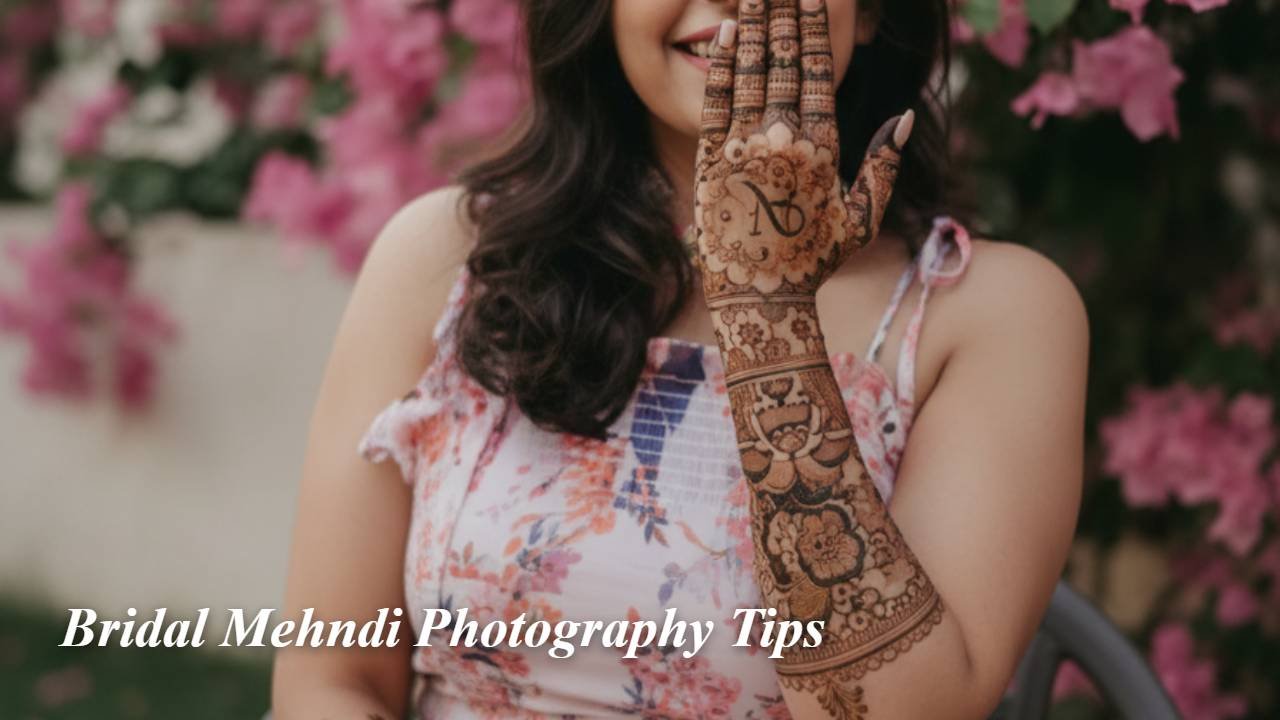
6. Experiment With Creative Poses
Pose variety adds visual storytelling.
Popular Mehndi Poses
- Hands covering face partially
- Ring reveal pose
- Hands resting on bridal bouquet
- Bride holding dupatta edges
- Side-angle wrist display
Candid expressions enhance authenticity.
Structured posing improves composition.
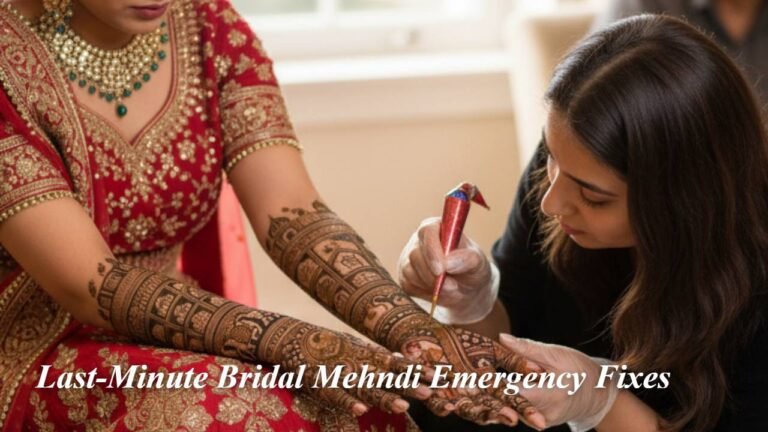
7. Capture During Application Stage
Photographing fresh paste adds dimension to wedding storytelling.
Document:
- Artist working
- Wet paste texture
- Bride’s candid reactions
This phase highlights craftsmanship and ritual preparation.
8. Consider Background Elements
Background impacts focus.
Avoid cluttered décor that distracts from design.
Ideal backgrounds include:
- Floral backdrops
- Neutral fabrics
- Bridal lehenga close-ups
- Palace architecture
Simple backgrounds enhance detail.
Professional Bridal Mehndi Photography Tips always consider environment balance.
9. Focus on Symmetry Shots
Traditional Indian bridal mehndi emphasizes symmetry.
Photographers should capture:
- Both palms aligned
- Mirrored forearm panels
- Balanced finger patterns
Symmetry creates dramatic visual impact.
10. Manage Hand Position for Comfort
Holding hands steady prevents blur.
Encourage:
- Relaxed finger posture
- Natural wrist angles
- Avoid stiff hands
Comfort enhances authenticity.
11. Adjust Camera Settings Properly
Technical precision matters.
Recommended settings:
- Low ISO for minimal grain
- Moderate aperture for depth control
- Fast shutter speed to prevent motion blur
Soft focus background enhances design prominence.
Design Style & Photography Strategy
Different mehndi styles require different shooting approaches.
Arabic Bridal Mehndi
- Emphasize diagonal flow
- Capture vine curvature
- Highlight negative space
Rajasthani Bridal Mehndi
- Focus on dense detailing
- Zoom into portrait panels
- Capture symmetry fully
Minimalist Bridal Mehndi
- Use clean background
- Highlight fine-line precision
- Capture subtle elegance
Understanding design type improves photography execution.
Color Coordination With Outfit
Deep red lehengas amplify dark stain contrast.
Pastel outfits enhance minimalist designs.
Avoid color clashes that overshadow henna tones.
Outfit synergy strengthens Bridal Mehndi Photography Tips.
Common Photography Mistakes to Avoid
Avoid these errors:
- Overusing flash
- Cropping fingertips
- Ignoring back-of-hand shots
- Blurred close-ups
- Shooting immediately after scraping paste
Professional awareness prevents album disappointment.
Timeline Planning for Mehndi Shoot
Plan photography sessions strategically.
Suggested Timeline
| Stage | Focus |
|---|---|
| During Application | Ritual documentation |
| 24 Hours After | Soft color portraits |
| Wedding Morning | Deep stain highlight |
Structured planning ensures diverse photo collection.
How Premium Henna Improves Photography
High-quality organic cones create:
- Rich stain tone
- Smooth line edges
- Consistent shading
Photography reveals every flaw. Premium cones ensure polished results.
Cultural Significance in Mehndi Photography
Bridal mehndi reflects:
- Prosperity
- Love
- Protection
- Blessings
Photographs preserve these symbolic elements.
Capturing peacock motifs, mandalas, and dulha-dulhan portraits enhances storytelling.
Destination & Outdoor Considerations
For beach weddings:
- Avoid direct glare
- Use shaded areas
For palace venues:
- Utilize architectural symmetry
- Emphasize royal detailing
Adaptation to environment strengthens results.
Frequently Asked Questions
1. When is the best time to photograph bridal mehndi?
36–48 hours after application ensures peak stain depth.
2. Should flash be avoided?
Direct flash should be minimized to prevent overexposure.
3. What poses work best?
Ring reveal, symmetrical palms, and candid hand gestures work beautifully.
4. How can I prevent blur in close-ups?
Keep hands steady and use proper shutter speed.
5. Does stain color affect photography quality?
Yes. Darker stains enhance contrast and detail visibility.
Final Thoughts
Bridal Mehndi Photography Tips help transform intricate henna artistry into unforgettable wedding memories. Thoughtful timing, proper lighting, coordinated styling, and technical camera precision elevate bridal mehndi images from ordinary to extraordinary. When combined with premium organic cones and skilled artistry, your mehndi will photograph beautifully from every angle.
Explore professional bridal mehndi solutions designed to deliver deep stain, flawless detailing, and picture-perfect elegance for your wedding celebration.
More Design Inspiration