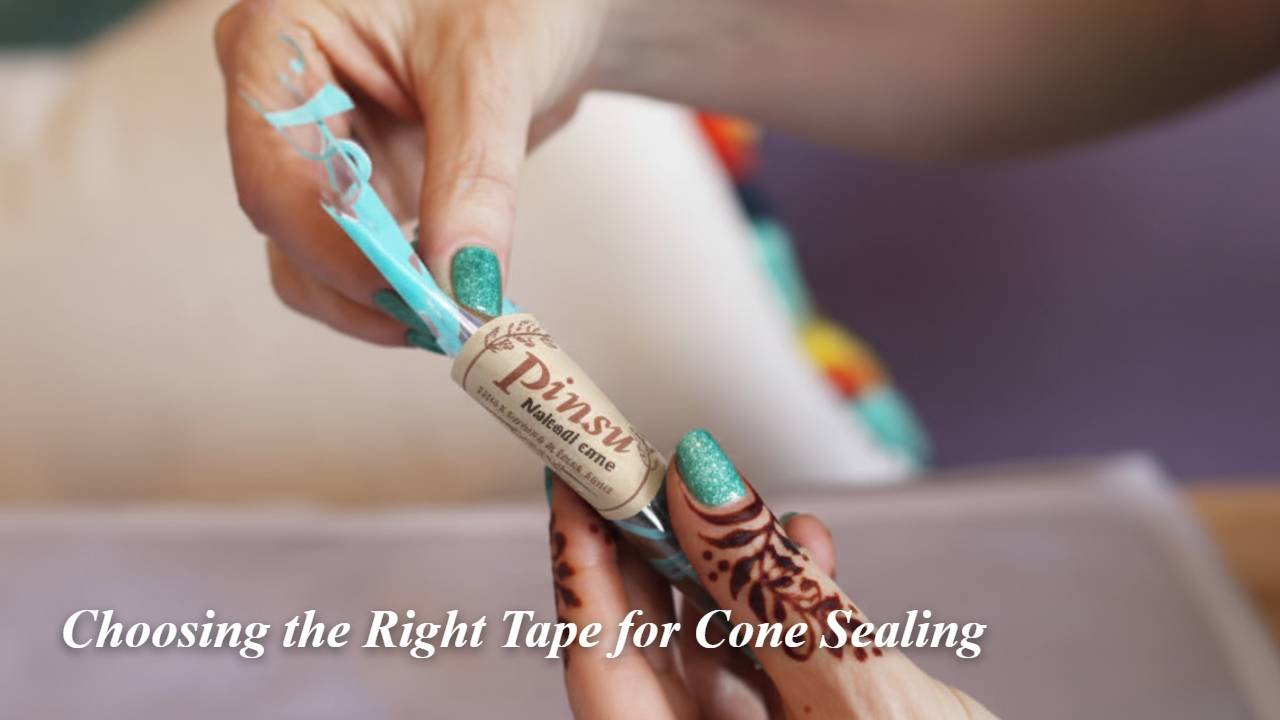
Choosing the Right Tape for Cone Sealing is one of the most underestimated yet critical steps in professional mehndi preparation. Many artists invest in premium henna powder, high-quality cone sheets, and refined rolling techniques. However, improper tape selection can still cause leakage, pressure imbalance, and interrupted line flow during application.
Bridal mehndi demands long hours of detailed work. Arabic patterns require smooth, uninterrupted strokes. Even minimalist finger trails rely on consistent pressure stability. Tape plays a structural role in maintaining that stability.
Master this with Professional Cones
The same products used in this guide are available in our shop.
This comprehensive guide explores the types of tape available, adhesive strength differences, environmental impact, professional sealing methods, and how proper tape selection protects both artistic precision and business reputation.
Why Tape Quality Matters in Cone Sealing
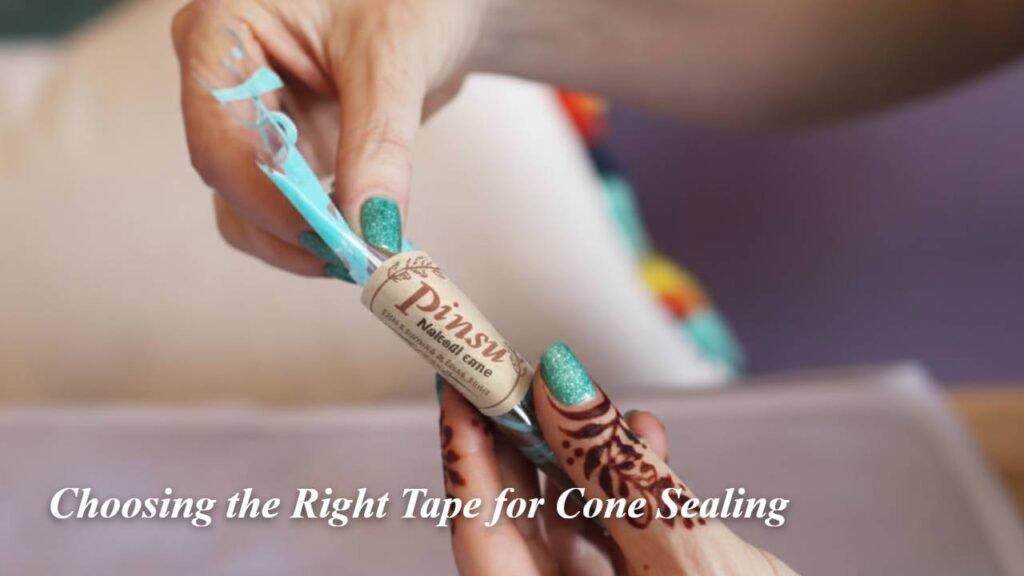
Tape secures the back fold of the cone.
Inside this Guide:
If tape fails, the entire pressure system collapses.
Poor tape can cause:
Buy Mehndi Cones Pack of 24 – Natural, Organic & Dark Stain
- Back leakage
- Side seam splitting
- Sudden paste bursts
- Sticky residue on fingers
- Tape peeling in humidity
Choosing the Right Tape for Cone Sealing ensures structural integrity throughout the session.
A stable seal equals stable flow.
Understanding Cone Pressure Mechanics
A mehndi cone functions as a controlled pressure chamber.
When you squeeze:
Buy Mehndi Cones Pack of 24 – Natural, Organic & Dark Stain
- Pressure moves downward
- Paste exits through the tip
- Back seal must resist force
Weak tape allows air entry and paste escape.
Strong adhesive maintains pressure balance.
Mechanical reliability supports artistic control.
Types of Tape Commonly Used for Cone Sealing
Before mastering Choosing the Right Tape for Cone Sealing, understand available options.
1. Transparent Stationery Tape
Most commonly used.
Pros:
- Easily available
- Affordable
- Clear finish
Cons:
- Moderate adhesive strength
- May peel in humid conditions
Best for light and short sessions.
2. Packing Tape
Stronger adhesive.
Pros:
- High durability
- Resistant to moisture
- Strong hold
Cons:
- Thick
- Can add bulk
Suitable for bridal sessions requiring long working hours.
3. Medical Tape
Soft adhesive material.
Pros:
- Flexible
- Lightweight
- Skin-friendly
Cons:
- Lower adhesive strength
- May loosen under pressure
Better for short-term cones.
4. Masking Tape
Paper-based tape.
Pros:
- Easy to tear
- Moderate adhesion
Cons:
- Weak against moisture
- Not ideal for long sessions
Not recommended for professional bridal work.
Comparison Table – Tape Performance
| Tape Type | Adhesive Strength | Moisture Resistance | Bridal Suitability | Ease of Use |
|---|---|---|---|---|
| Transparent Tape | Medium | Moderate | Moderate | Easy |
| Packing Tape | High | High | Excellent | Moderate |
| Medical Tape | Low–Medium | Low | Limited | Easy |
| Masking Tape | Low | Low | Not Recommended | Easy |
Choosing the Right Tape for Cone Sealing requires balancing strength and flexibility.
Adhesive Strength and Pressure Stability
Adhesive quality determines how well the cone resists squeeze pressure.
For bridal mehndi:
- Strong adhesion prevents back splitting
- Double-layer sealing increases durability
For Arabic designs:
- Moderate adhesive may suffice
- Fast application benefits from easy tear tape
Adhesive strength must match design complexity.
Choosing the Right Tape for Cone Sealing in Bridal Mehndi
Bridal sessions often last 4–6 hours.
High-pressure application increases stress on seals.
Recommended approach:
- Use high-quality packing tape
- Apply double fold compression
- Reinforce edges
- Leave sufficient folding space
Premium bridal detailing demands premium structural support.
Choosing the Right Tape for Cone Sealing in Arabic Patterns
Arabic mehndi focuses on flowing florals and bold strokes.
Sessions may be shorter but involve continuous pressure.
Transparent tape works if:
- Environment is dry
- Cone is properly rolled
- Paste consistency is balanced
Tape must hold through entire session.
Flow stability supports artistic rhythm.
Environmental Impact on Tape Performance
Humidity weakens adhesive strength.
Heat softens glue.
Cold temperatures reduce stickiness.
Climate-aware sealing improves reliability.
Environmental Adjustment Table
| Condition | Recommended Tape |
|---|---|
| High Humidity | Packing Tape |
| Hot Climate | Strong Adhesive Tape |
| Cold Climate | Warm tape slightly before use |
| Indoor AC | Transparent Tape |
Choosing the Right Tape for Cone Sealing includes environmental awareness.
Sealing Technique Matters as Much as Tape
Even the best tape fails with poor technique.
Correct method:
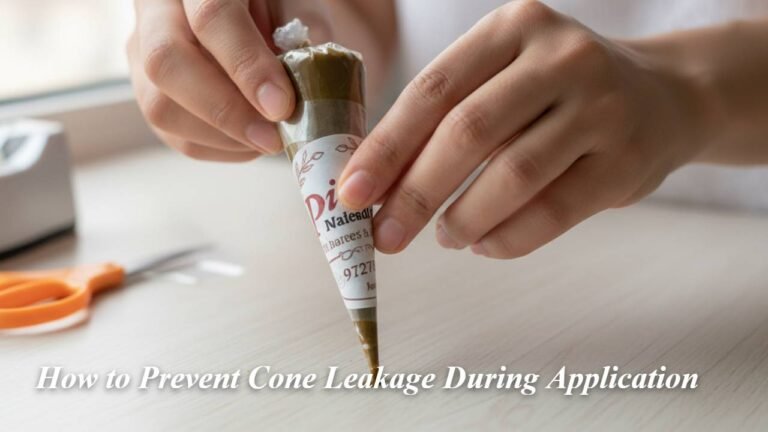
- Remove air before sealing
- Fold top twice
- Press firmly
- Apply tape evenly
- Smooth out bubbles
Uneven tape application creates weak points.
Discipline prevents mechanical failure.
Common Mistakes in Tape Selection
Avoid these frequent errors:
- Using old tape with dried adhesive
- Applying too little tape
- Overlapping tape excessively
- Sealing without removing air
- Using paper tape for bridal work
Material discipline protects professionalism.
Tape Width Considerations
Narrow tape:
- Easy to handle
- Requires multiple layers
Wide tape:
- Covers more area
- Adds bulk
Standard 1–2 cm width works best for cone sealing.
Balance coverage with flexibility.
Cost vs Quality Analysis
High-quality tape may cost slightly more.
However:
- Prevents leakage
- Reduces wasted paste
- Protects client satisfaction
- Saves rework time
Investing in proper tape improves long-term profitability.
Cheap tape increases hidden costs.
Cultural and Artistic Responsibility
Mehndi represents celebration, sacred symbolism, and artistic heritage.
Leakage during bridal application can disrupt:
- Mandala symmetry
- Dulha-dulhan portraits
- Intricate jaali patterns
Mechanical failure undermines artistic excellence.
Professional preparation honors tradition.
Advanced Professional Tip: Hybrid Sealing Method
Some professionals use:
- Rubber band for primary hold
- Tape for reinforcement
This method increases structural strength.
Hybrid sealing improves durability during long sessions.
Long-Term Benefits of Choosing the Right Tape for Cone Sealing
Artists who refine tape selection experience:
- Stable pressure control
- Reduced leakage
- Cleaner execution
- Increased confidence
- Higher client trust
Structural reliability supports creative flow.
Troubleshooting Guide
| Problem | Likely Cause | Solution |
|---|---|---|
| Tape peeling | Weak adhesive | Switch to packing tape |
| Paste leaking | Poor fold | Double compression seal |
| Sticky residue | Low-quality glue | Use premium brand |
| Tape tearing | Thin tape | Use reinforced tape |
Quick correction prevents session disruption.
Frequently Asked Questions
1. What tape works best for bridal mehndi?
Strong packing tape with double fold sealing offers maximum durability.
2. Can I use normal stationery tape?
Yes, for short sessions in dry conditions, but not ideal for long bridal work.
3. Does tape affect stain quality?
Indirectly. Leakage can disrupt paste placement, affecting stain consistency.
4. How many layers of tape should I apply?
One strong layer is sufficient if adhesive quality is high. Use two layers for bridal sessions.
5. Should I change tape brand frequently?
Test brands carefully and stick with consistent quality for predictable performance.
Final Thoughts
Choosing the Right Tape for Cone Sealing may seem like a minor detail, yet it plays a crucial role in maintaining pressure stability and preventing leakage during application. Professional mehndi artistry depends on structural precision behind the scenes.
From bridal mandala grids to flowing Arabic florals, reliable sealing supports flawless execution. Evaluate adhesive strength, environmental factors, and sealing technique carefully to ensure every cone performs perfectly from the first stroke to the final detail.
More Design Inspiration