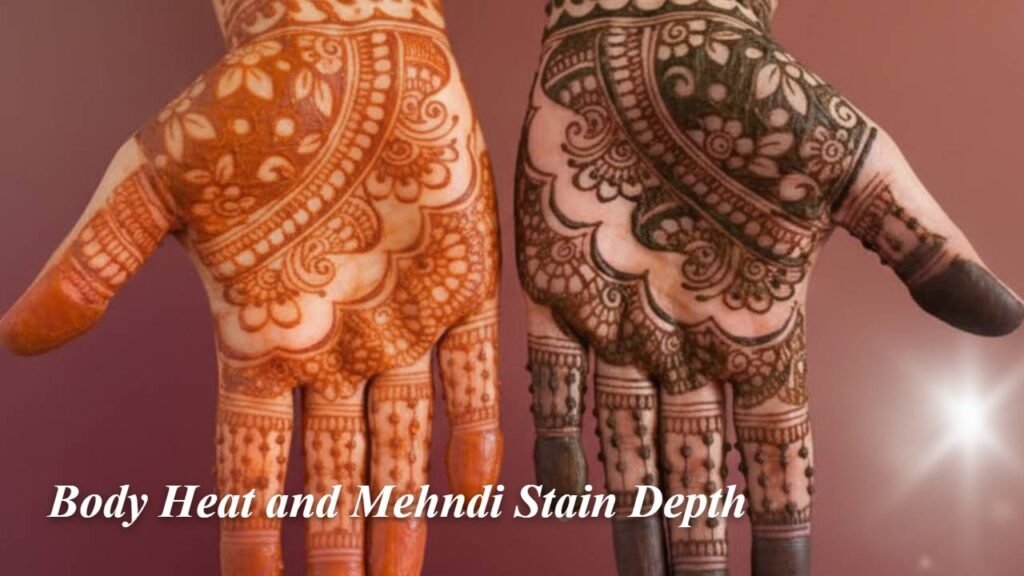
Body Heat and Mehndi Stain Depth share a direct and powerful connection that many artists overlook. Every experienced mehndi artist knows that two brides can use the same cone, the same design, and the same aftercare routine—yet achieve completely different stain results. The missing factor often lies in the skin’s temperature and how it influences dye release and binding.
Understanding this relationship transforms mehndi from a decorative art into a controlled chemical process. When you master how body heat affects stain development, you gain predictable, deep, and long-lasting color results—especially for bridal mehndi, intricate Arabic patterns, and fine-line henna designs.
Master this with Professional Cones
The same products used in this guide are available in our shop.
This guide explores the science, cultural insights, application techniques, and professional-level strategies that directly impact stain intensity.
Understanding the Chemistry of Henna Staining
Henna contains a natural dye molecule called lawsone. Once released from henna powder and applied to the skin, lawsone binds with keratin proteins present in the upper skin layer.
Inside this Guide:
Three conditions must align for optimal staining:
- Proper dye release from fresh henna paste
- Adequate moisture retention
- Sufficient body heat
Without warmth, lawsone binding slows dramatically. Heat accelerates molecular movement, allowing deeper penetration into the stratum corneum.
Buy Mehndi Cones Pack of 24 – Natural, Organic & Dark Stain
How Lawsone Reacts to Temperature
| Temperature Range | Effect on Dye Release | Stain Result |
|---|---|---|
| Below 20°C | Slow reaction | Light orange |
| 20–25°C | Moderate release | Medium reddish |
| 26–32°C | Optimal release | Deep brown |
| Above 35°C | Rapid but unstable | Uneven staining |
Controlled warmth encourages deeper dye binding without causing patchiness.
Body Heat and Mehndi Stain Depth: The Core Relationship
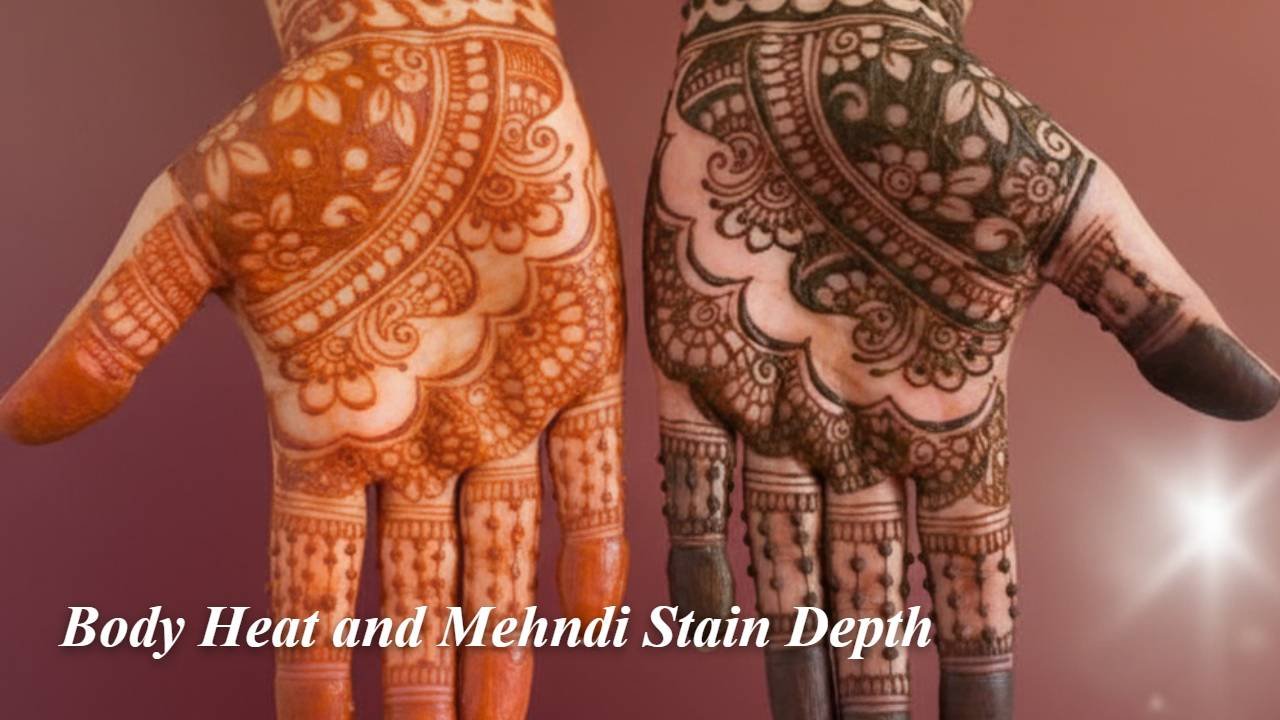
Body Heat and Mehndi Stain Depth operate through thermal activation. Warmer skin increases blood circulation, which raises surface temperature. Higher temperature keeps the paste moist longer and enhances dye migration.
Areas of the body naturally produce different heat levels:
| Body Area | Natural Heat Level | Typical Stain Depth |
|---|---|---|
| Palms | Very High | Dark brown |
| Soles | Very High | Deepest brown |
| Arms | Moderate | Medium stain |
| Back | Lower | Lighter tone |
| Ankles | Variable | Often uneven |
Palms and soles stain darkest because they contain thicker keratin layers and higher warmth retention.
Buy Mehndi Cones Pack of 12 – Natural, Organic & Dark Stain
Why Brides Often Get Darker Mehndi
Cultural tradition links dark bridal mehndi with love and prosperity. Scientifically, bridal mehndi appears darker due to:
- Pre-application warmth from rituals
- Emotional excitement increasing circulation
- Longer application time
- Extended paste contact duration
Wedding environments often keep brides indoors with controlled warmth, which improves stain depth naturally.
Bridal mehndi designs usually include dense patterns, mandalas, peacocks, floral vines, and symbolic motifs. These thicker patterns retain paste longer, increasing exposure to warmth.
How Cold Conditions Reduce Stain Intensity
Cool temperatures create multiple problems:
- Slower dye release
- Faster paste drying
- Reduced skin absorption
- Shorter binding window
Winter weddings often produce lighter stains unless warmth is managed intentionally.
Artists working in air-conditioned halls must consider environmental temperature. Even the finest organic mehndi cone cannot compensate for cold skin.
Body Heat and Mehndi Stain Depth in Arabic Designs
Body Heat and Mehndi Stain Depth influence Arabic mehndi differently than dense bridal patterns. Arabic designs feature open spaces, flowing vines, and bold outlines. Because paste layers are thinner, they rely heavily on warmth for effective dye transfer.
Fine lines cool faster than thick motifs. Artists should:
- Encourage gentle hand warming
- Avoid cold metal surfaces during drying
- Use sealing methods to retain warmth
Open Arabic styles demand temperature awareness more than dense traditional Indian designs.
Traditional Heat-Enhancing Practices Across Regions
Henna traditions across cultures emphasize warmth.
Indian Practices
- Clove steam after paste drying
- Lemon-sugar sealing
- Wrapping hands overnight
Middle Eastern Traditions
- Light warming over charcoal smoke
- Extended wrapping with breathable cloth
North African Techniques
- Covering with natural oils
- Keeping hands near mild heat sources
These cultural rituals evolved from practical knowledge of Body Heat and Mehndi Stain Depth long before scientific explanation existed.
Safe Ways to Increase Body Heat for Darker Stain
Artificial heat must remain controlled.
Effective Techniques
- Warm room temperature (24–28°C)
- Wearing socks or gloves overnight
- Gentle clove steaming
- Light movement to boost circulation
Methods to Avoid
- Hair dryers at high heat
- Direct heaters on skin
- Overheating paste before drying
Excessive heat dries paste too quickly, reducing dye migration.
Skin Physiology and Heat Retention
The thickness of skin influences staining. Palms contain thicker stratum corneum layers. This thickness allows more dye binding.
Areas with thin skin show lighter results regardless of warmth. Heat amplifies potential but cannot override structural differences.
Factors affecting natural heat:
- Metabolism
- Hormonal cycles
- Stress levels
- Hydration
Healthy circulation improves stain consistency.
Body Heat and Mehndi Stain Depth During Application
Body Heat and Mehndi Stain Depth begin influencing results immediately after application.
Professional artists should:
- Avoid applying mehndi on cold hands
- Warm clients gently before starting
- Prevent exposure to air conditioning
- Schedule bridal sessions during warmer hours
Application timing matters. Evening sessions allow overnight warmth retention.
Moisture, Heat, and Oxidation: The Three-Part System
Stain depth depends on three linked elements:
- Heat
- Moisture
- Oxidation time
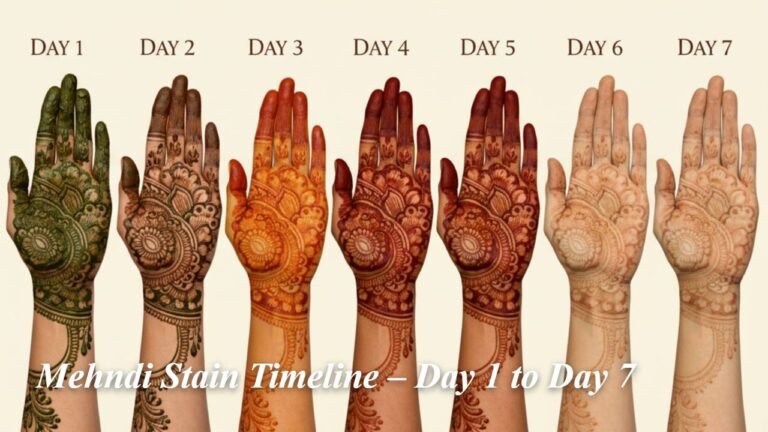
Heat keeps paste active. Moisture prevents cracking. Oxidation deepens color from orange to brown within 24–48 hours.
Removing paste too early interrupts this process.
Advanced Professional Insights for Darkest Results
Experts optimize every stage.
Paste Quality
Freshly sifted henna ensures smooth flow. Old powder reduces dye strength.
Essential Oils
Terpene-rich oils like cajeput and tea tree enhance dye binding.
Contact Duration
6–8 hours produces optimal stain depth.
Post-Removal Care
Avoid water for at least 12 hours. Apply natural balms to protect oxidation.
Each variable supports the effect of Body Heat and Mehndi Stain Depth.
Comparing Heat Management Strategies
| Strategy | Effectiveness | Safety Level | Recommended For |
|---|---|---|---|
| Natural body warmth | High | Very Safe | Bridal mehndi |
| Clove steam | High | Safe if controlled | Winter events |
| Electric heaters | Moderate | Risky | Avoid direct use |
| Hair dryer | Low | Risky | Not recommended |
Controlled warmth always outperforms aggressive heating.
Cultural Symbolism of Dark Mehndi
Dark mehndi symbolizes:
- Love and devotion
- Prosperity
- Blessings
- Marital happiness
In Indian weddings, darker stains often spark playful rituals about affection from in-laws. Science supports what tradition celebrates.
Common Mistakes That Reduce Stain Depth
Even skilled artists make preventable errors.
- Applying on cold skin
- Allowing paste to dry too fast
- Removing paste within 3–4 hours
- Washing with soap immediately
- Ignoring room temperature
Awareness of Body Heat and Mehndi Stain Depth prevents these mistakes.
Bridal Mehndi vs Casual Designs: Heat Sensitivity
| Design Type | Heat Sensitivity | Required Care |
|---|---|---|
| Bridal full-hand | High | Extended warmth |
| Arabic minimal | Very High | Controlled sealing |
| Festival designs | Moderate | Basic warmth |
| Kids mehndi | Lower | Short duration |
Denser designs tolerate minor temperature variation better than minimal patterns.
Frequently Asked Questions
1. How long should I keep mehndi for darkest stain?
Keep paste on for 6–8 hours. Longer exposure enhances dye binding.
2. Does body temperature really affect henna color?
Yes. Warmer skin accelerates dye migration and improves stain depth significantly.
3. Why are palms darker than arms?
Palms have thicker keratin layers and retain more heat, allowing deeper dye binding.
4. Can I use artificial heat safely?
Use mild warmth like clove steam. Avoid direct hot air or extreme heating.
5. Does winter reduce mehndi darkness?
Cold temperatures slow dye release and reduce absorption unless warmth is managed carefully.
Final Thoughts
Body Heat and Mehndi Stain Depth define the difference between light orange patterns and rich bridal browns. Temperature influences chemistry, circulation, moisture retention, and oxidation speed. Skilled artists understand this balance and design application strategies around it.
Mastering warmth management elevates mehndi artistry from guesswork to precision. Explore premium organic cones and professional-grade materials at Pinsu Mehndi Art to achieve consistently deeper, more stunning stains.
More Design Inspiration