Avoid Air Bubbles While Making Mehndi Cones is not just a beginner concern. Even experienced bridal artists struggle with inconsistent paste flow caused by hidden air pockets. One trapped bubble can break a perfect paisley curve. Another can ruin intricate jaali work mid-design.
Air bubbles disrupt henna application techniques, affect line consistency, and weaken stain precision. Professional mehndi artistry begins at the cone preparation stage, not at the client’s hand.
Master this with Professional Cones
The same products used in this guide are available in our shop.
This detailed guide explains why bubbles form, how to prevent them, and how to maintain flawless cone performance across bridal mehndi, Arabic patterns, and modern fusion designs.

Why It Is Crucial to Avoid Air Bubbles While Making Mehndi Cones
Air pockets interfere with paste pressure balance.
Inside this Guide:
When pressure builds unevenly inside a cone, artists experience:
- Sudden paste bursts
- Broken continuous lines
- Uneven thickness
- Clogging at the tip
- Interrupted mandala symmetry
Bridal mehndi requires microscopic detailing. Arabic floral trails demand uninterrupted flow. Air bubbles compromise both.

Buy Mehndi Cones Pack of 12 – Natural, Organic & Dark Stain
Precision begins inside the cone.
Understanding How Air Bubbles Form in Mehndi Cones
Before learning how to avoid air bubbles while making mehndi cones, you must understand the root causes.
Primary Causes of Air Bubbles
- Improper paste mixing
- Fast or careless filling
- Loose cone rolling
- Inconsistent sealing
- Overfilling the cone
- Thick, grainy henna paste
Each stage of preparation influences final performance.
The Science Behind Air Pressure and Paste Flow
Henna paste behaves like a semi-fluid under pressure.
Buy Mehndi Cones Pack of 12 – Natural, Organic & Dark Stain
Inside a sealed cone:
- Air compresses faster than paste
- Pressure increases unevenly
- Release becomes unstable
When you squeeze a cone containing trapped air, the air compresses first. Once released, paste shoots out suddenly.
Professional artists focus on pressure consistency.
Avoid Air Bubbles While Making Mehndi Cones During Paste Preparation
Cone performance begins with paste texture.
Ideal Paste Characteristics
| Factor | Ideal Standard | Why It Matters |
|---|---|---|
| Texture | Smooth, lump-free | Prevents micro air pockets |
| Thickness | Medium consistency | Supports steady flow |
| Sifting | Double sifted powder | Removes debris |
| Resting Time | 6–12 hours | Improves dye release |
Improperly sifted henna powder traps micro air spaces during mixing.
Always:
- Sift powder finely
- Mix slowly
- Avoid whipping motions
- Let paste rest before filling
Air enters most frequently during aggressive mixing.
Avoid Air Bubbles While Making Mehndi Cones During Filling
Filling technique determines bubble formation.
Incorrect Filling Method
- Dropping paste quickly
- Using large spoon scoops
- Allowing paste to fall from height
- Filling unevenly
These methods trap air between paste layers.
Correct Filling Method
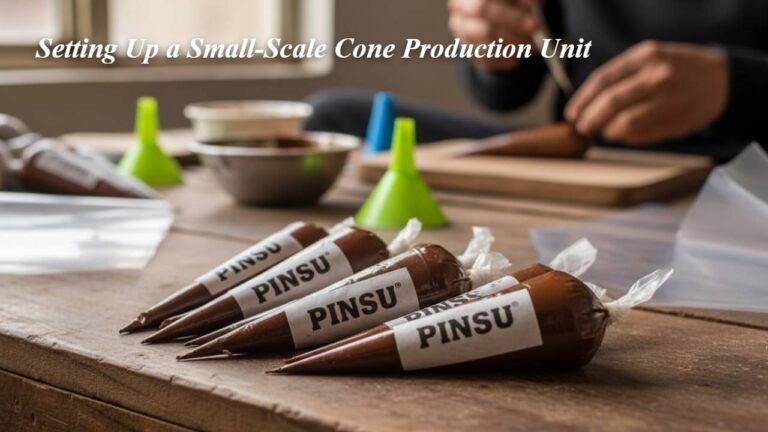
- Use a piping bag
- Fill slowly from bottom upward
- Tap gently to release trapped air
- Keep cone upright
Slow filling prevents air gaps between paste layers.
Avoid Air Bubbles While Making Mehndi Cones Through Proper Rolling
Rolling technique affects internal air space.
Loose rolling creates hollow channels inside the cone.
Correct Rolling Technique
- Start from a sharp corner
- Maintain tight alignment
- Avoid overlapping folds
- Secure tip firmly
- Keep internal channel narrow
Smooth cone rolling ensures paste fills evenly.
Improper rolling allows air to collect near the tip.
Common Rolling Mistakes That Create Air Pockets
- Using thick plastic sheets
- Leaving micro gaps at the seam
- Overlapping plastic unevenly
- Sealing before paste settles
Professional mehndi artists inspect seam alignment before filling.
Attention to detail reduces pressure imbalance.
Avoid Air Bubbles While Making Mehndi Cones in Bridal Work
Bridal mehndi involves:
- Dense meshwork
- Cultural symbolism
- Portrait detailing
- Mandala layering
- Full-arm symmetry
Air bubble interruptions during bridal work cause visible flaws.
Fine detailing requires uninterrupted line control.
Small inconsistencies destroy symmetry patterns.
Experienced bridal artists prepare cones 24 hours in advance and test each one before application.
Comparison: Bubble-Free Cones vs Air-Filled Cones
| Performance Factor | Bubble-Free Cone | Air-Filled Cone |
|---|---|---|
| Line Consistency | Smooth | Interrupted |
| Pressure Control | Stable | Unpredictable |
| Flow Accuracy | Precise | Sudden bursts |
| Stain Placement | Even | Uneven |
| Artist Confidence | High | Reduced |
Air-free cones enhance professional workflow.
Avoid Air Bubbles While Making Mehndi Cones for Arabic Patterns
Arabic mehndi focuses on bold florals and flowing diagonal strokes.
Continuous petal curves require smooth paste movement.
Air pockets create breaks in long strokes.
A single interruption ruins the visual rhythm of Arabic trails.
Maintaining smooth internal paste distribution protects design fluidity.
Advanced Techniques to Eliminate Hidden Air Pockets
Professional-level prevention includes:
- Gently pressing filled cones upward before sealing
- Tapping cone vertically on flat surface
- Using minimal paste batch sizes
- Avoiding refrigeration immediately after filling
- Testing each cone on tissue
Small professional habits prevent major application failures.
Environmental Factors That Influence Air Formation
Temperature and humidity affect paste texture.
| Condition | Impact | Preventive Action |
|---|---|---|
| High heat | Paste thins | Reduce filling speed |
| High humidity | Plastic softens | Use firm sheets |
| Cold weather | Paste thickens | Mix carefully to avoid air pockets |
Environmental awareness improves cone reliability.
Role of Cone Material in Air Bubble Prevention
Thin cellophane performs better than thick plastic.
Thin sheets:
- Roll tightly
- Reduce internal hollow space
- Provide controlled tip shaping
Thick plastic traps more air.
Material choice impacts internal pressure stability.
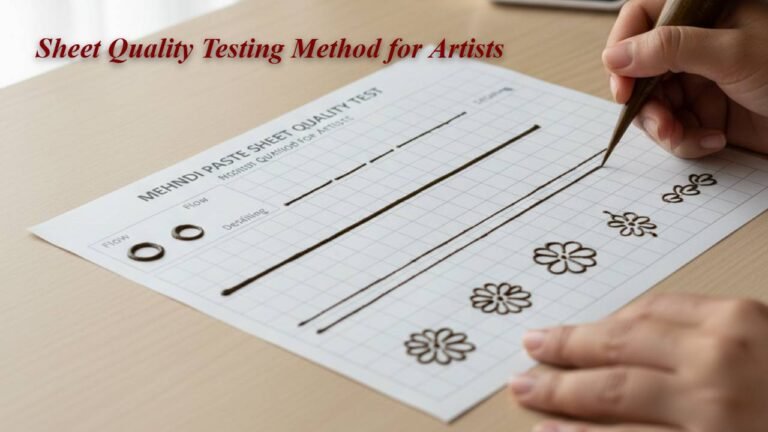
Testing Before Application
Never begin bridal mehndi without testing cones.
Testing process:
- Draw straight lines
- Create small circles
- Practice paisley strokes
- Observe pressure response
If flow hesitates or bursts, inspect for air pockets.
Replace faulty cones immediately.
Historical and Cultural Perspective
Traditional mehndi artisans in Rajasthan and Gujarat manually prepared cones using simple plastic sheets. Their precision came from disciplined preparation habits.
Cultural mehndi art represents celebration, blessings, and storytelling. Respecting preparation techniques honors this tradition.
Professional cone preparation reflects dedication to craft.
Avoid Air Bubbles While Making Mehndi Cones: Workflow Checklist
Use this checklist before every booking:
- Sift henna powder twice
- Mix gently without whipping
- Let paste rest fully
- Fill slowly using piping bag
- Tap to release air
- Roll tightly
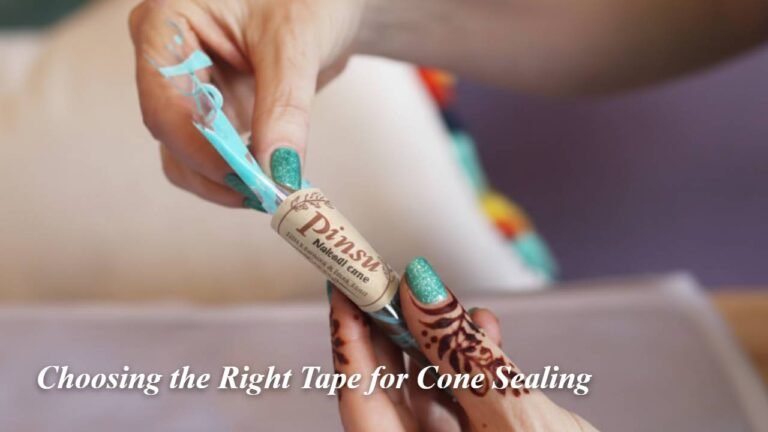
- Seal carefully
- Test before use
Consistency builds reliability.
Long-Term Benefits of Air-Free Cones
Artists who master air bubble prevention experience:
- Cleaner bridal portfolios
- Faster execution
- Less paste wastage
- Reduced stress during bookings
- Higher client satisfaction
Cone preparation quality directly impacts brand reputation.
Professional Troubleshooting Guide
| Problem | Likely Cause | Solution |
|---|---|---|
| Sudden paste burst | Trapped air near tip | Refill and tap cone |
| Interrupted line | Micro air pocket | Slow filling next time |
| Cone collapses | Loose rolling | Tighten seam |
| Clogging | Grainy paste | Double sift henna |
Systematic troubleshooting improves workflow efficiency.
Frequently Asked Questions
1. Why do my cones still have bubbles even after careful filling?
Air may enter during paste mixing or loose rolling. Focus on slow mixing and tight rolling.
2. Can air bubbles affect stain quality?
Air bubbles affect flow consistency. Inconsistent flow may disrupt paste thickness and reduce stain depth.
3. Should I refrigerate cones immediately after filling?
Allow paste to settle before refrigeration to prevent internal air pressure shifts.
4. How can I test if my cone has air inside?
Draw consistent straight lines on tissue. Sudden bursts or gaps indicate trapped air.
5. Is bubble prevention more important for bridal mehndi?
Yes. Bridal designs require fine detailing where uninterrupted flow is essential.
Final Thoughts
Avoid Air Bubbles While Making Mehndi Cones is a foundational skill for every serious mehndi artist. Precision begins long before the first paisley curve touches skin.
Mastering paste preparation, careful filling, and smooth rolling transforms cone reliability. Professional-level mehndi artistry depends on technical discipline behind the scenes.
If you want consistently smooth bridal flow and flawless Arabic curves, refine your cone preparation process and elevate your craft to the next level today.
More Design Inspiration