Signs Your Mehndi Cone Has Gone Bad
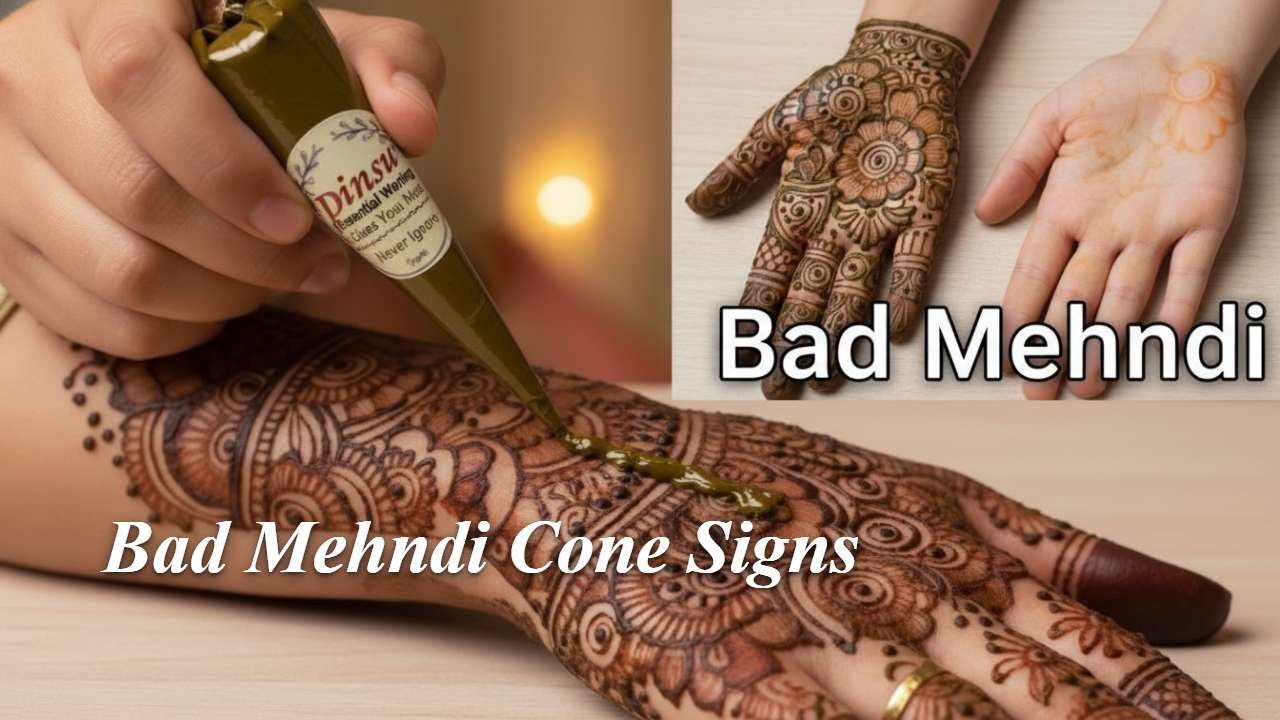
Bad mehndi cone signs can ruin even the most intricate bridal mehndi or elegant Arabic pattern. Many artists blame their technique when stains turn light orange or designs crack during application. In reality, the cone itself may have degraded. Recognizing early warning clues protects your work, your clients’ skin, and your professional reputation.
This comprehensive guide explains how to identify spoilage, understand the science behind cone degradation, and prevent performance failure across bridal, festive, and regional mehndi styles.
Master this with Professional Cones
The same products used in this guide are available in our shop.
Why Identifying Bad Mehndi Cone Signs Matters
A mehndi cone is a perishable product. It contains natural henna paste, essential oils, and moisture. These components react to:
- Heat
- Air exposure
- Humidity
- Light
- Storage duration
When these factors disrupt stability, performance declines.
Inside this Guide:
Ignoring bad mehndi cone signs leads to:
- Weak stain depth
- Patchy oxidation
- Inconsistent bridal results
- Skin irritation risks
Understanding spoilage indicators ensures artistic consistency.
Buy Mehndi Cones Pack of 12 – Natural, Organic & Dark Stain
Weak or Light Orange Stain After 48 Hours
The most common bad mehndi cone signs appear after oxidation.
Natural henna begins orange and deepens into brown or maroon within 24–48 hours. If the stain remains light orange even after proper aftercare, the dye content may have degraded.
Causes of Weak Stain
- Old henna powder
- Improper storage
- Premature oxidation
- Excess heat exposure
Stain Development Comparison
| Observation | Healthy Cone | Spoiled Cone |
|---|---|---|
| Initial Color | Bright orange | Pale orange |
| 24 Hours | Medium brown | Light orange |
| 48 Hours | Deep brown | Faded peach tone |
| Longevity | 7–10 days | 2–4 days |
Stain weakness remains one of the strongest bad mehndi cone signs.
Foul or Unusual Smell
Fresh henna paste smells earthy and slightly herbal.
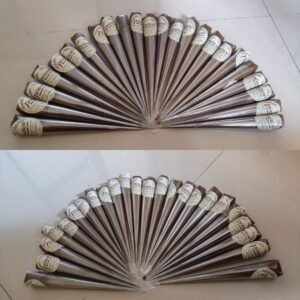
Buy Mehndi Cones Pack of 24 – Natural, Organic & Dark Stain
If the cone smells:
- Sour
- Fermented
- Sharp chemical
- Moldy
the paste may have spoiled.
Microbial growth can occur when cones are stored in warm or humid conditions. Essential oils may also break down over time, producing unpleasant odors.
Smell changes should never be ignored.
Change in Paste Texture
Texture reveals freshness immediately.
Healthy Texture
- Smooth
- Elastic
- Consistent flow
Spoiled Texture
- Grainy
- Watery separation
- Thick lumps
- Cracked extrusion
Texture inconsistency ranks high among bad mehndi cone signs because it directly impacts intricate design execution.
Oil Separation Inside the Cone
When essential oils separate from the paste, you may notice:
- Liquid pooling near the tip
- Uneven paste thickness
- Sudden watery bursts during application
Oil separation indicates chemical imbalance or temperature damage.
Bridal mehndi requires stable paste consistency for symmetrical patterns and precise line control.
Clogged or Blocked Tip
Tip clogging occurs when paste dries or granulates inside the cone.
Possible causes:
- Air exposure
- Poor sifting
- Expired paste
Fine detailing in Indian bridal motifs and Moroccan geometric patterns becomes impossible with clogged cones.
Repeated blockage is one of the practical bad mehndi cone signs professionals recognize immediately.
Premature Dark Stain Within One Hour
Natural henna never turns dark instantly.
If the stain becomes black or very dark brown within one hour, the cone may contain chemical additives such as PPD.
Chemical cones may promise fast results but pose severe skin risks.
Instant dark color is a red flag, not a benefit.
7. Cracked or Leaking Cone Wrap
Cone structure protects paste from oxygen exposure.
Damage to wrapping may cause:
- Drying inside the cone
- Air contamination
- Reduced dye potency
Professional cones use tightly sealed cellophane with secure rubber band closure.
Structural failure contributes to paste degradation.
Shortened Shelf Life
Properly frozen cones last 3–6 months. If a cone loses strength within weeks, storage conditions were likely inadequate.
Shelf Life Comparison
| Storage Method | Expected Stability |
|---|---|
| Freezer | 3–6 months |
| Refrigerator | 1–2 weeks |
| Room Temperature | Few days in warm climate |
Monitoring shelf life helps detect bad mehndi cone signs early.
Uneven Stain Across Hands
Bridal mehndi requires uniform color across palms and feet. If one area darkens while another remains light, dye distribution may be inconsistent.
Possible reasons include:
- Paste separation
- Weak dye release
- Expired essential oils
Uneven oxidation affects ceremonial symbolism and photography quality.
Skin Irritation or Burning Sensation
Natural henna should not cause burning or severe itching.
If clients report:
- Redness
- Swelling
- Blistering
- Intense irritation
the cone may contain chemicals or contaminated paste.
Skin reaction remains one of the most serious bad mehndi cone signs.
Slow or Delayed Oxidation
Healthy henna darkens within 24–48 hours.
If oxidation takes unusually long or remains dull, pigment potency may have reduced.
Temperature also affects oxidation speed, but total absence of darkening indicates degradation.
Climate Damage Indicators
Environmental factors accelerate spoilage.
Heat Exposure Effects
- Essential oil evaporation
- Paste over-fermentation
- Faster dye breakdown
Humidity Exposure Effects
- Moisture absorption
- Mold risk
- Texture instability
Climate-related damage amplifies bad mehndi cone signs.
Impact on Bridal and Cultural Significance
In Indian wedding traditions, deep maroon stain symbolizes love and prosperity. Weak stains undermine emotional expectations.
Arabic floral patterns depend on bold outlines. Light stains reduce contrast.
Moroccan geometric styles require clarity and precision. Spoiled cones compromise symmetry.
Recognizing bad mehndi cone signs protects cultural integrity.
Preventive Measures for Professionals
To avoid spoilage:
- Freeze cones immediately
- Use airtight containers
- Avoid repeated thawing
- Test stain before major events
- Monitor production dates
Preventive care strengthens brand authority and client trust.
Quick Checklist for Artists
Before applying:
- Check smell
- Test flow on tissue
- Observe paste color
- Confirm storage history
- Perform patch test
Routine inspection minimizes risk.
Frequently Asked Questions (FAQ)
1. How can I confirm if my cone has gone bad?
Check smell, texture, stain depth after 48 hours, and tip performance.
2. Can I fix a spoiled mehndi cone?
No. Degraded dye potency cannot be restored once damaged.
3. Does freezing prevent spoilage completely?
Freezing slows degradation significantly but does not reverse expired paste.
4. Why did my bridal mehndi stain turn light?
Expired or improperly stored cones may show bad mehndi cone signs such as weak dye release.
5. Are chemical cones safer for darker stains?
No. Chemical additives may cause severe skin reactions and long-term sensitivity.
Final Thoughts
Mehndi artistry demands not only skill but also material awareness. Bad mehndi cone signs provide early warnings that protect stain quality, client safety, and professional reputation. Weak stains, foul odor, texture changes, and structural damage indicate that the paste has degraded. Artists who inspect cones carefully before application maintain consistency across bridal, Arabic, and regional designs.
Choose fresh, professionally stored mehndi cones and ensure every design reflects the deep, lasting beauty your artistry deserves.
More Design Inspiration