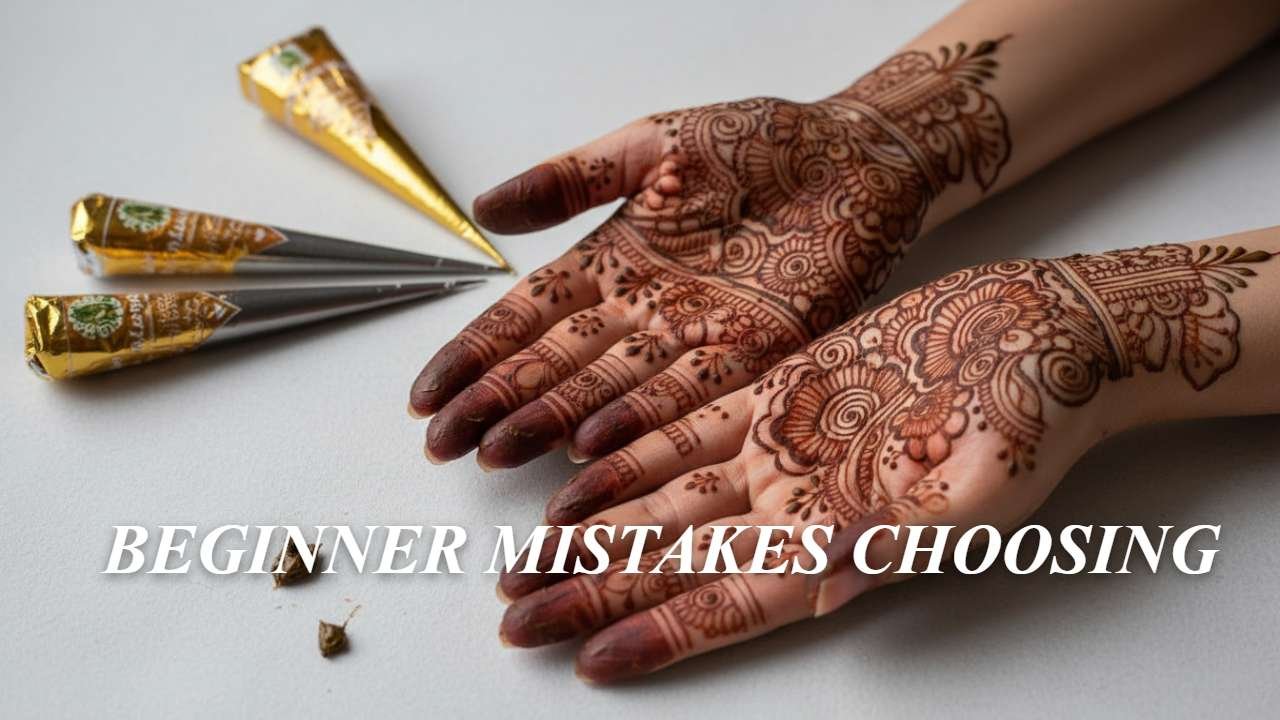
Choosing mehndi cones may seem simple at first glance, yet beginners often make avoidable mistakes that affect stain depth, design precision, and overall results. Many new artists focus only on price or packaging without understanding ingredient quality, freshness, or cone construction. Those early errors can lead to light orange stains, clogged tips, and uneven bridal mehndi results.
This detailed guide explores the most common beginner mistakes when Not Testing Before Important Events and explains how to select cones that deliver consistent, deep brown stains across Arabic patterns, Indian bridal designs, and modern minimal styles.
Master this with Professional Cones
The same products used in this guide are available in our shop.
Why Choosing Mehndi Cones Correctly Matters
The cone determines:
- Stain depth and longevity
- Paste flow consistency
- Fine line precision
- Skin safety
- Cultural authenticity
Poor decisions during the process of choosing mehndi cones can undermine even the most beautiful design skills. Quality cones support intricate mandalas, paisleys, peacock motifs, and bold Arabic florals with predictable performance.
Inside this Guide:
Mistake 1: Ignoring Ingredient Transparency
One of the biggest beginner mistakes in choosing mehndi cones involves overlooking the ingredient list.
What Premium Cones Should Contain
- Natural henna powder
- Mild acidic liquid
- High terpene essential oils
- Sugar for moisture balance
What to Avoid
- PPD (para-phenylenediamine)
- Artificial black dyes
- Metallic salts
- Unknown chemical additives
Chemical cones may stain instantly but pose serious skin risks. Natural henna always oxidizes gradually from orange to brown.
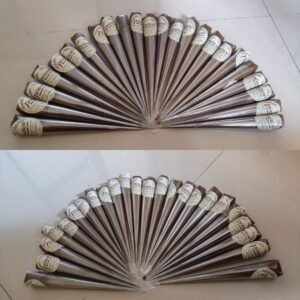
Buy Mehndi Cones Pack of 24 – Natural, Organic & Dark Stain
Mistake 2: Choosing Based Only on Color of Paste
Many beginners assume darker paste equals darker stain.
In reality:
- Paste color does not guarantee dye strength
- Artificial dyes can make paste appear dark
- Fresh henna paste often looks green-brown
When choosing mehndi cones, focus on freshness and ingredient sourcing rather than surface appearance.
Mistake 3: Overlooking Harvest and Freshness
Henna loses dye potency over time. Old powder leads to weak stains regardless of design quality.
Buy Mehndi Cones Pack of 24 – Natural, Organic & Dark Stain
Fresh vs Old Cone Performance
| Feature | Fresh Cone | Old Cone |
|---|---|---|
| Stain Depth | Deep brown | Light orange |
| Paste Texture | Smooth | Grainy |
| Oxidation Speed | Balanced | Delayed |
| Bridal Suitability | Reliable | Risky |
Smart decision-making in choosing mehndi cones requires asking about production date and storage method.
Mistake 4: Ignoring Cone Construction Quality
Cone wrapping directly impacts line control.
Poorly wrapped cones may:
- Leak from the back
- Crack during application
- Produce uneven flow
High-quality cones feature:
- Smooth cellophane
- Sharp, narrow tip
- Tight sealing
- Even paste distribution
Choosing mehndi cones without testing flow control can frustrate beginners during intricate bridal work.
Mistake 5: Not Testing Before Important Events
Beginners often skip patch testing.
Before bridal or festival application:
- Apply small dot on palm.
- Leave paste 6 hours.
- Observe stain after 24 hours.
Testing prevents last-minute disappointment.
Mistake 6: Falling for “Instant Dark” Marketing
Natural henna requires oxidation time.
If a cone promises:
- Immediate black stain
- One-hour dark color
- Permanent results
It likely contains chemicals.
Choosing mehndi cones based on unrealistic claims increases health risks and compromises authenticity.
Mistake 7: Ignoring Climate and Storage Conditions
Environmental factors affect cone performance significantly.
High heat reduces shelf life. Humidity weakens powder stability. Cold weather slows oxidation.
Climate Impact Table
| Climate Condition | Effect on Cone | Adjustment Needed |
|---|---|---|
| Hot Summer | Faster dye release | Freeze storage |
| Humid Monsoon | Moisture absorption | Airtight containers |
| Cold Winter | Slower stain | Longer retention |
Smart storage decisions improve consistency.
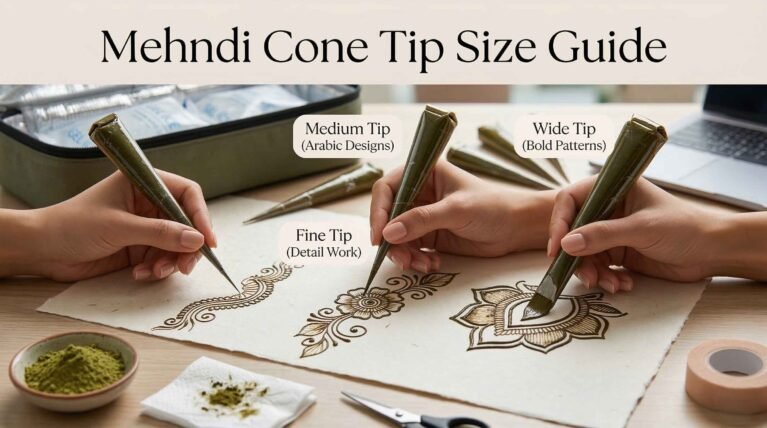
Mistake 8: Choosing the Wrong Cone for Design Style
Different mehndi styles require different paste behaviors.
Indian Bridal Mehndi
- Ultra-fine lines
- Dense filling
- Detailed shading
Needs smooth, finely sifted paste.
Arabic Mehndi Patterns
- Bold floral strokes
- Negative space
- Flowing vines
Requires medium consistency with steady extrusion.
Contemporary Minimal Designs
- Clean outlines
- Subtle patterns
Need predictable flow without clogging.
Choosing mehndi cones without considering design style limits artistic precision.
Mistake 9: Underestimating Aftercare Compatibility
Cone quality alone does not guarantee deep stain.
Beginners must also:
- Clean skin before application
- Avoid lotions
- Keep paste on 6–8 hours
- Avoid water for 24 hours
Without proper aftercare, even premium cones produce light stains.
Technical Breakdown: What Professionals Look For
When choosing mehndi cones, professionals evaluate:
- Dye release timing
- Essential oil terpene content
- Powder fineness
- Elasticity of paste
- Tip sharpness
Professional vs Beginner Evaluation
| Criteria | Beginner Focus | Professional Focus |
|---|---|---|
| Price | Low cost | Value per performance |
| Packaging | Attractive | Airtight seal |
| Instant Stain | Immediate color | Long-term depth |
| Flow | Assumed fine | Tested before use |
Professional evaluation builds long-term expertise.
Cultural and Symbolic Considerations
In Indian weddings, darker stains symbolize prosperity and affection. Uneven color reduces visual harmony in bridal photography.
Arabic floral designs depend on clean negative space. Smudged or weak stains reduce contrast.
Moroccan geometric styles demand sharp symmetry. Poor cone flow disrupts structure.
Choosing mehndi cones responsibly honors cultural expectations and artistic integrity.
How Beginners Can Upgrade Their Selection Process
To improve decision-making:
- Buy from reputable suppliers
- Ask for ingredient transparency
- Store cones in freezer
- Test dye release before large batches
- Learn about essential oils
Education transforms trial-and-error into predictable success.
Long-Term Benefits of Choosing Mehndi Cones Correctly
Proper selection results in:
- Deeper stain consistency
- Better client satisfaction
- Stronger portfolio images
- Reduced product waste
- Professional credibility
Skill matters, but material quality supports mastery.
Frequently Asked Questions (FAQ)
1. How do I know if a cone contains chemicals?
If stain turns dark within one hour or appears black immediately, it likely contains artificial dyes.
2. Should beginners buy handmade or commercial cones?
Handmade cones with transparent ingredients typically offer better freshness and control.
3. Why does my stain look light even with good design?
Light stain often results from poor cone freshness, short retention time, or improper aftercare.
4. How long can I store mehndi cones?
Frozen cones last 3–6 months. Room temperature storage reduces potency quickly.
5. Does price determine quality when choosing mehndi cones?
Not always. Ingredient transparency, freshness, and storage standards matter more than price alone.
Final Thoughts
Mastering mehndi artistry begins with informed material selection. Choosing mehndi cones carefully prevents weak stains, design frustration, and inconsistent bridal outcomes. Artists who prioritize freshness, ingredient safety, and climate-aware storage gain predictable, deep brown results across every regional style.
Explore premium-quality cones crafted for reliability and elevate your mehndi designs with confidence from the very first application.
More Design Inspiration