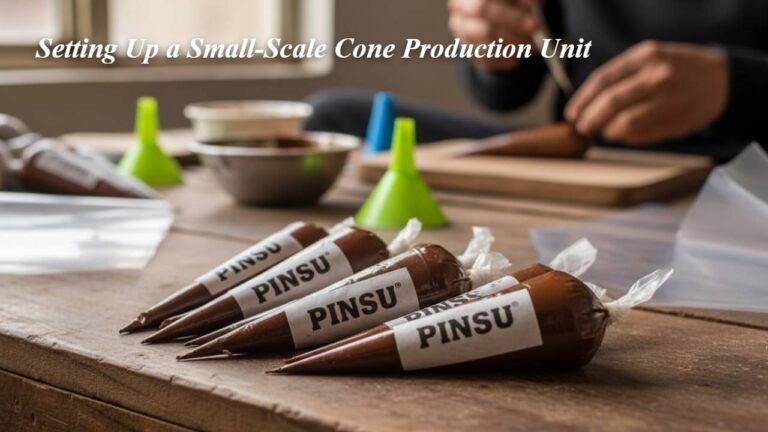
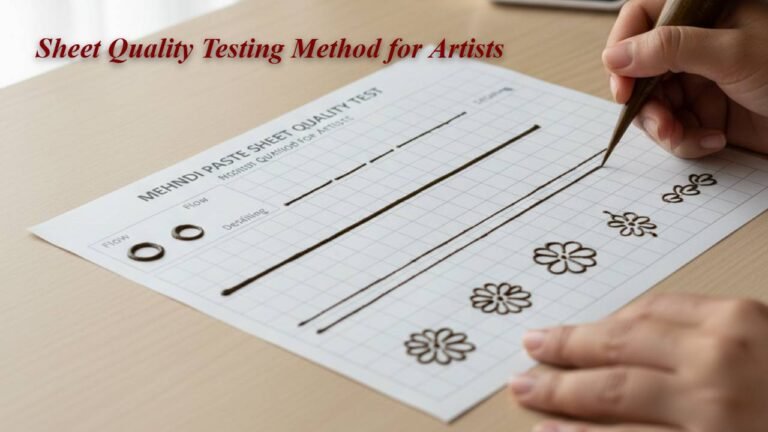
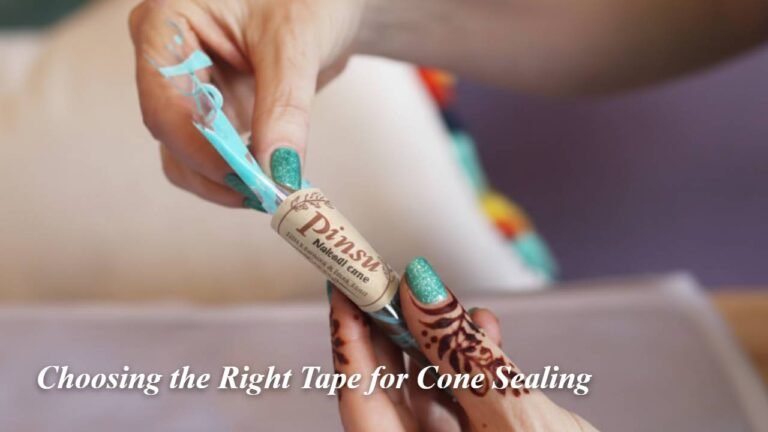
Eco-Friendly Alternatives to Plastic Cone Sheets are becoming essential for modern mehndi artists who value sustainability without compromising performance. Traditional plastic sheets dominate cone preparation due to flexibility and durability. However, environmental concerns push professionals to explore greener materials that maintain smooth flow, bridal precision, and Arabic pattern control.
Mehndi art celebrates tradition, cultural symbolism, and natural beauty. Using sustainable materials aligns perfectly with the natural essence of henna itself. This guide examines practical, tested, and professional-level eco-friendly options that balance environmental responsibility with technical performance.
Master this with Professional Cones
The same products used in this guide are available in our shop.

Why Sustainability Matters in Mehndi Art
Henna originates from natural Lawsonia inermis leaves. The art reflects celebration, spirituality, and connection to nature.
Plastic cone sheets, however, contribute to:
Inside this Guide:
- Non-biodegradable waste
- Microplastic pollution
- Increased event waste during wedding seasons
- Environmental strain in large-scale bookings
Bridal mehndi sessions can use 15–30 cones per event. Festive bookings multiply that number significantly.
Adopting eco-friendly alternatives to plastic cone sheets supports responsible artistry.
Buy Mehndi Cones Pack of 24 – Natural, Organic & Dark Stain
What Makes a Cone Sheet Eco-Friendly?
A sustainable cone sheet must meet three criteria:
- Biodegradability or compostability
- Minimal environmental impact during production
- Adequate flexibility for precise henna application
Performance cannot suffer. Smooth henna flow remains critical for intricate jaali work and bold Arabic florals.
Eco-Friendly Alternatives to Plastic Cone Sheets – 7 Proven Options
1. Biodegradable Cellulose Film
Cellulose film derived from plant fibers offers strong potential.
Advantages:
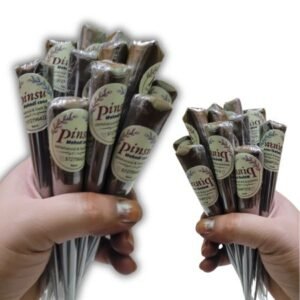
Buy Mehndi Cones Pack of 12 – Natural, Organic & Dark Stain
- Biodegradable
- Transparent
- Flexible
- Supports smooth rolling
Limitations:
- Slightly less durable in humidity
- May require stronger sealing
Cellulose works well for bridal detailing when rolled tightly.
2. Compostable Cornstarch-Based Sheets
Cornstarch bioplastic sheets mimic traditional plastic flexibility.
Benefits:
- Industrially compostable
- Lightweight
- Similar texture to plastic
Considerations:
- Heat sensitivity
- Requires careful storage
This option ranks high among eco-friendly alternatives to plastic cone sheets for commercial use.
3. Banana Fiber Sheets
Banana fiber offers a natural plant-based alternative.
Strengths:
- Strong tensile structure
- Biodegradable
- Culturally rooted in Indian traditions
Challenges:
- Slightly thicker texture
- Requires advanced rolling technique
Banana fiber aligns beautifully with traditional bridal mehndi symbolism.
4. Butter Paper with Reinforcement
Uncoated butter paper can function as a temporary eco solution.
Pros:
- Widely available
- Biodegradable
- Affordable
Cons:
- Not water-resistant
- Limited durability
This works better for practice sessions or short Arabic designs.
5. Reusable Stainless Steel Applicator Cones
A long-term sustainable shift includes reusable metal applicators.
Advantages:
- Zero waste
- Long lifespan
- Stable pressure control
Drawbacks:
- Requires cleaning discipline
- Higher initial investment
Professionals handling premium bridal bookings often prefer reusable tools.
6. Paper-Based Laminated Sheets (Plant Resin Coated)
Plant-resin-coated paper sheets offer water resistance with reduced plastic content.
Benefits:
- Semi-biodegradable
- Flexible
- Affordable
Limitations:
- Limited lifespan
- Requires secure sealing
These rank as balanced eco-friendly alternatives to plastic cone sheets for mid-level professionals.
7. Silicone Reusable Cones
Food-grade silicone applicators eliminate disposable waste.
Advantages:
- Durable
- Flexible
- Easy to clean
Challenges:
- Higher upfront cost
- Slight learning curve
Silicone works exceptionally well for Arabic and minimalist patterns.
Comparison Table – Performance Overview
| Material | Biodegradable | Reusable | Flow Control | Bridal Suitability | Cost Level |
|---|---|---|---|---|---|
| Cellulose Film | Yes | No | High | High | Moderate |
| Cornstarch Sheet | Yes | No | High | High | Moderate |
| Banana Fiber | Yes | No | Medium | Moderate | Low |
| Butter Paper | Yes | No | Medium | Low | Low |
| Stainless Steel | No | Yes | Excellent | Excellent | High |
| Resin-Coated Paper | Partial | No | Medium | Moderate | Low |
| Silicone Cone | No | Yes | Excellent | High | High |
Eco-friendly alternatives to plastic cone sheets must balance sustainability and technical reliability.
Performance Considerations for Bridal Mehndi
Bridal mehndi includes:
- Mandala grids
- Dulha-dulhan portraits
- Dense jaali meshwork
- Cultural motifs
Fine detailing requires:
- Stable pressure
- Smooth paste flow
- No seam leakage
Cellulose film and silicone cones perform best for intricate bridal applications.
Performance in Arabic Mehndi Designs
Arabic mehndi emphasizes:
- Bold florals
- Diagonal flow
- Open spacing
- Fast execution
Cornstarch sheets and silicone cones maintain steady flow for long petal strokes.
Sustainability should never interrupt rhythm.
Sealing Techniques for Eco Materials
Sustainable sheets often require modified sealing.
Recommended Sealing Methods
- Double fold compression
- Reinforced tape for biodegradable sheets
- Rubber band locking
- Heat-free sealing
Eco materials may react differently to heat and moisture.
Testing remains essential.
Storage Guidelines for Sustainable Cones
Proper storage preserves integrity.
| Condition | Recommendation |
|---|---|
| Humid climate | Airtight container |
| Hot weather | Cool, shaded storage |
| Long storage | Refrigerate carefully |
Eco-friendly alternatives to plastic cone sheets may degrade faster if exposed to moisture.
Cost Analysis – Long-Term Perspective
Initial cost may appear higher.
However:
- Reusable cones reduce recurring expenses
- Eco branding attracts conscious clients
- Waste reduction lowers environmental impact
Professional branding benefits from visible sustainability.
Cultural Alignment with Natural Henna
Mehndi represents purity, celebration, and natural beauty.
Traditional henna preparation relied on natural materials long before plastic became common.
Using eco-friendly alternatives to plastic cone sheets reconnects modern artists with heritage practices.
Sustainable tools enhance authenticity.
Challenges in Transitioning to Eco-Friendly Options
Artists may face:
- Learning curve
- Material sourcing issues
- Slight changes in rolling technique
- Storage adjustments
Gradual transition works best.
Start with small batches before full adoption.
Professional Workflow Strategy
To integrate eco-friendly alternatives to plastic cone sheets:
- Test one material at a time
- Practice rolling and sealing
- Conduct flow tests
- Use in smaller bookings first
- Gather client feedback
Controlled adoption ensures quality consistency.
Marketing Advantage of Sustainable Practices
Clients increasingly value eco-conscious services.
Promoting sustainable cone usage:
- Differentiates your brand
- Builds trust
- Aligns with modern wedding values
- Enhances social media appeal
Eco responsibility supports long-term brand growth.
Frequently Asked Questions
1. Are eco-friendly cone sheets as durable as plastic?
High-quality cellulose and cornstarch sheets provide comparable durability when stored properly.
2. Which option works best for bridal mehndi?
Silicone reusable cones and cellulose film offer excellent precision for intricate bridal designs.
3. Do eco materials affect henna stain quality?
Stain quality depends on paste consistency and application technique, not cone material.
4. Are reusable cones hygienic?
Yes, when cleaned thoroughly after each use and stored properly.
5. Is switching to eco-friendly cones expensive?
Initial costs may be higher, but long-term savings and brand value offset the investment.
Final Thoughts
Eco-Friendly Alternatives to Plastic Cone Sheets represent the future of responsible mehndi artistry. Sustainability and technical precision can coexist when artists choose materials thoughtfully.
Adopting greener cone options supports environmental care while maintaining flawless bridal detailing and smooth Arabic flow. Explore sustainable alternatives today and position your mehndi practice at the forefront of conscious craftsmanship.
More Design Inspiration