Labelling Tricks Used in Fake Organic Cones
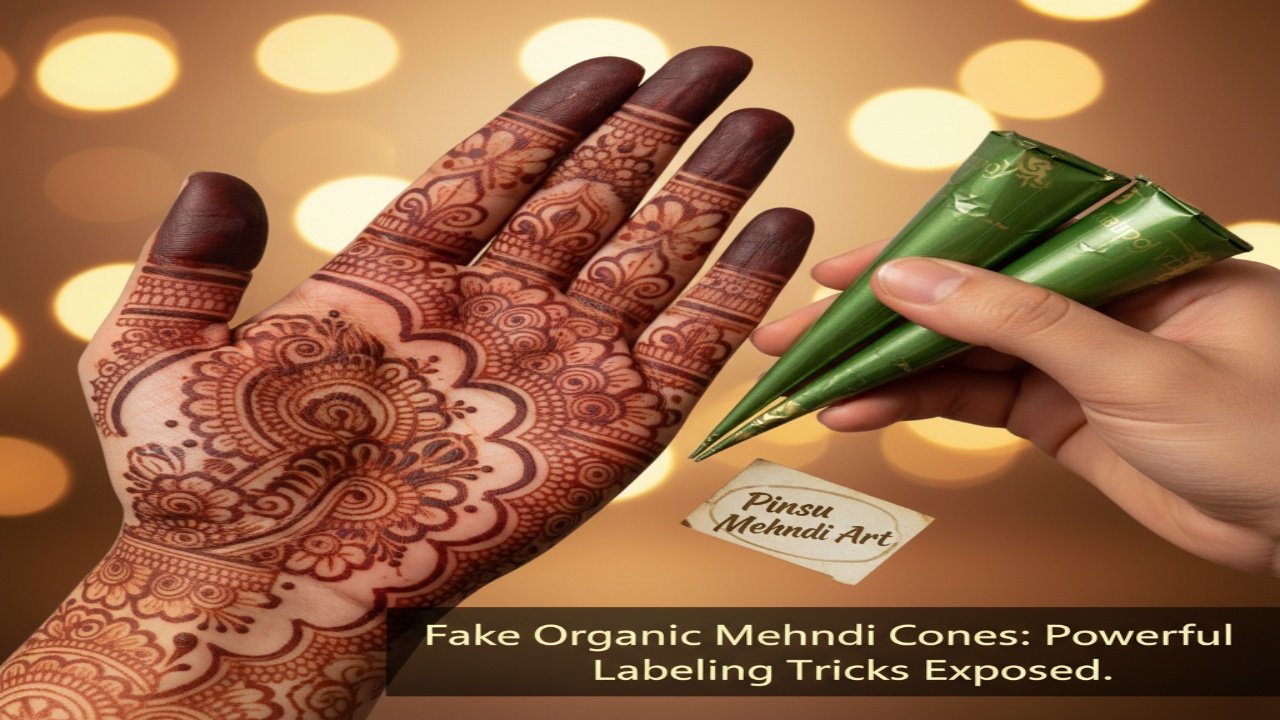
Fake organic mehndi cones have become increasingly common in local markets and online platforms. Many products claim to be “100% natural,” “chemical-free,” or “herbal organic,” yet fail to meet basic authenticity standards. For bridal mehndi artists, Arabic pattern specialists, and professional henna designers, falling for misleading labels can damage stain quality, client trust, and skin safety.
Understanding the labelling tricks used in fake organic mehndi cones helps artists make informed purchasing decisions. This comprehensive guide breaks down common marketing tactics, ingredient manipulation strategies, packaging deception, and scientific realities behind so-called organic claims.
Master this with Professional Cones
The same products used in this guide are available in our shop.
Why Fake Organic Mehndi Cones Are a Serious Concern
Organic branding carries emotional value. Clients associate it with:
- Skin safety
- Deeper stain quality
- Cultural authenticity
- Eco-conscious sourcing
However, fake organic mehndi cones often contain synthetic dyes, preservatives, or unregulated additives. These products compromise stain depth and may cause skin irritation.
Inside this Guide:
Professional awareness protects both artistry and reputation.
The “100% Natural” Without Ingredient Disclosure
One of the most common tricks used in fake organic mehndi cones is vague labeling.
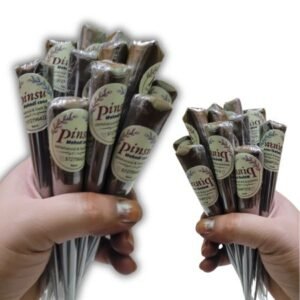
Buy Mehndi Cones Pack of 12 – Natural, Organic & Dark Stain
Labels may state:
- “100% Natural Formula”
- “Pure Herbal Paste”
- “Organic Blend”
Yet provide no detailed ingredient list.
What Authentic Labels Should Include
- Henna (Lawsonia inermis) powder
- Essential oils used
- Acidic liquid source
- Sugar or binding agents
Lack of transparency signals potential misrepresentation.
Misuse of the Word “Organic”
The term “organic” requires certified agricultural practices. Many fake organic mehndi cones use the word casually without certification.
Buy Mehndi Cones Pack of 12 – Natural, Organic & Dark Stain
Organic Claim Comparison
| Feature | Genuine Organic Product | Fake Organic Claim |
|---|---|---|
| Certification | Verified authority seal | None |
| Ingredient Traceability | Clear sourcing | Vague origin |
| Production Transparency | Documented | Missing |
| Packaging Integrity | Professional | Generic |
Consumers must verify certification rather than trusting label language.
Dark Stain Promise Within One Hour
Natural henna oxidizes gradually from orange to brown within 24–48 hours. Fake organic mehndi cones may promise:
- “Instant Dark Stain”
- “Black Color in 30 Minutes”
- “No Waiting Required”
These claims contradict henna stain science.
Instant dark results often indicate chemical additives such as PPD.
Artificial Green Coloring in Packaging
Some fake organic mehndi cones use green-themed packaging to imply herbal authenticity.
Design elements may include:
- Leaf graphics
- Earth-tone colors
- Words like “eco,” “nature,” or “ayurvedic”
Packaging aesthetics do not guarantee ingredient purity.
Visual marketing can mask synthetic formulations.
Hidden Chemical Additives in Fine Print
Fake organic mehndi cones may list harmless ingredients prominently while hiding chemical additives in small print.
Potential additives include:
- Synthetic dyes
- Artificial fragrance
- Stabilizers
- Preservatives
Always read the complete ingredient list.
Incomplete labeling remains a major red flag.
Absence of Manufacturing Date
Freshness determines dye strength. Professional cones clearly mention:
- Manufacturing date
- Batch number
- Expiry date
Fake organic mehndi cones often omit these details.
Without date transparency, product potency cannot be verified.
Unrealistic Shelf Life Claims
Natural henna paste is perishable.
Claims such as:
- “No refrigeration required for one year”
- “Stays fresh indefinitely”
contradict biological reality.
Shelf Life Reality Table
| Storage Condition | Natural Henna | Suspicious Claim |
|---|---|---|
| Frozen | 3–6 months | Rarely mentioned |
| Room Temperature | Few days in warm climate | “Up to 12 months” |
Extended shelf-life without preservatives is unlikely.
Overuse of “Chemical-Free” Without Proof
The term “chemical-free” is scientifically misleading because everything is composed of chemicals, including water.
Authentic products specify:
- No synthetic dyes
- No PPD
- No metallic salts
Fake organic mehndi cones use emotional language rather than factual explanation.
Lack of Contact Information or Brand Transparency
Reputable brands provide:
- Physical address
- Customer service details
- Clear brand identity
Generic cones without traceable manufacturer details increase risk.
Accountability distinguishes genuine producers from questionable suppliers.
Impact on Bridal Mehndi and Cultural Significance
In Indian weddings, deep maroon stains symbolize prosperity and affection. Fake organic mehndi cones may produce:
- Uneven color
- Irritation
- Patchy oxidation
Arabic floral designs require smooth paste flow. Synthetic additives may alter texture, leading to cracking or inconsistent lines.
Moroccan geometric patterns demand precision. Chemical instability affects detailing clarity.
Authenticity supports both tradition and technical excellence.
Scientific Difference Between Natural and Fake Cones
Natural henna contains lawsone, which binds with keratin in the skin. Oxidation deepens color gradually.
Fake organic mehndi cones may rely on artificial pigments that stain instantly but lack long-term bonding strength.
Scientific Comparison
| Property | Natural Henna | Chemically Altered Cone |
|---|---|---|
| Initial Color | Orange | Dark brown/black |
| Oxidation Time | 24–48 hours | Immediate |
| Longevity | 7–10 days | Variable |
| Skin Reaction Risk | Low | Higher |
Science contradicts many marketing claims.
How to Verify Authentic Organic Claims
- Request certification proof
- Review complete ingredient list
- Conduct patch testing
- Observe oxidation timeline
- Verify supplier credibility
Critical evaluation reduces risk.
Economic Motivation Behind Fake Labelling
Organic branding commands higher prices. Some manufacturers exploit this demand by using misleading language.
Cost reduction may involve:
- Lower-quality henna
- Synthetic boosters
- Artificial fragrance
Short-term profit compromises long-term trust.
Protecting Your Professional Reputation
Using fake organic mehndi cones may result in:
- Skin complaints
- Inconsistent bridal results
- Negative reviews
- Loss of referrals
Professional artists safeguard credibility by sourcing verified products.
Transparency builds authority in the mehndi niche.
Quick Checklist Before Buying
Before purchasing:
- Confirm ingredient list
- Check certification
- Review production date
- Test small quantity
- Research brand history
Informed selection prevents costly mistakes.
Frequently Asked Questions (FAQ)
1. How can I identify fake organic mehndi cones quickly?
Look for vague ingredient lists, unrealistic stain promises, and lack of certification details.
2. Are all local market cones fake?
Not necessarily, but many lack proper transparency and freshness control.
3. Why do fake organic cones stain instantly?
They often contain synthetic dyes that bypass natural oxidation.
4. Is darker stain always better?
Deep brown from natural oxidation is desirable. Instant black may indicate chemical additives.
5. How can I protect bridal clients from unsafe cones?
Use certified products, conduct patch tests, and verify ingredient authenticity.
Final Thoughts
Fake organic mehndi cones rely on marketing language rather than genuine ingredient integrity. Misleading labels, exaggerated claims, and vague transparency can compromise stain depth, skin safety, and cultural authenticity. Professional artists must evaluate products critically to protect both artistry and client trust.
Choose verified, transparently labeled mehndi cones that deliver safe, consistent, and beautifully deep results every time.
More Design Inspiration