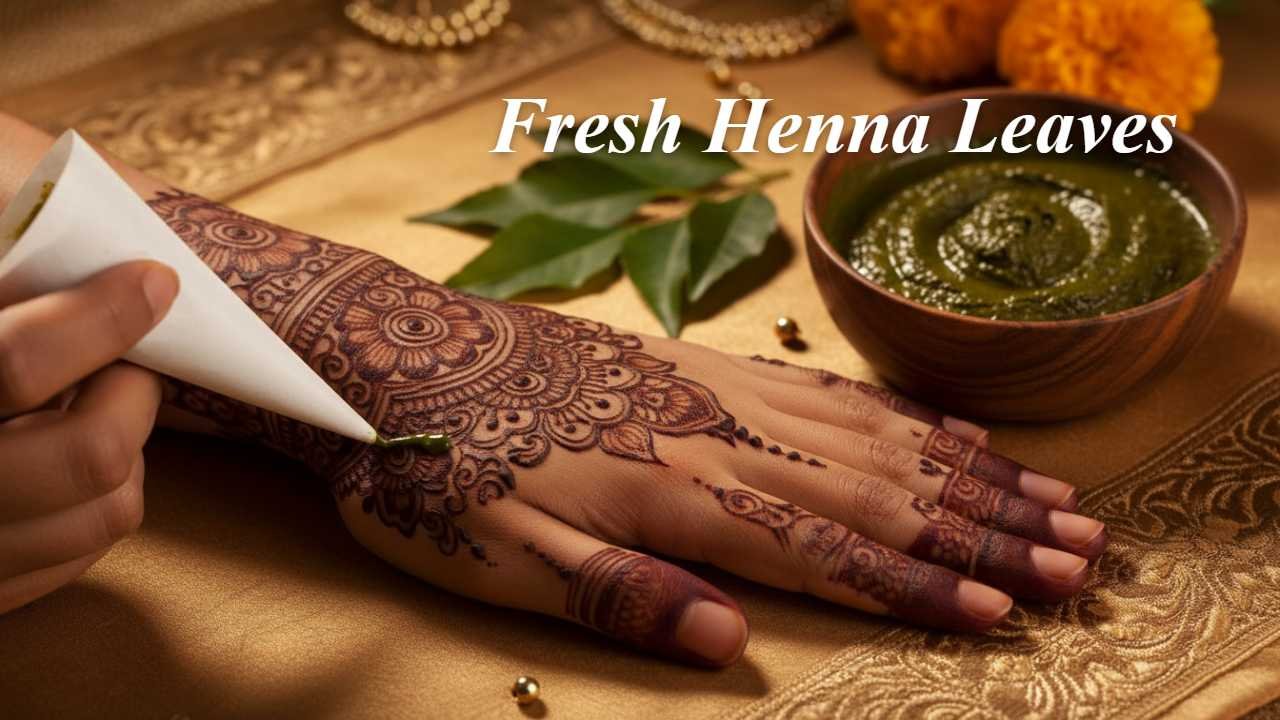
Fresh henna leaves determine the strength, smoothness, and stain reliability of every mehndi cone. Artists often focus on application techniques or intricate bridal mehndi patterns, yet the real foundation of cone performance begins at the farm level. When henna leaves are harvested, dried, and processed correctly, they produce a paste that delivers rich color, consistent flow, and long-lasting results.
Understanding how fresh henna leaves influence cone behavior allows professionals to control stain depth, line precision, and overall design quality. This guide explores the science, sourcing, processing standards, and cultural importance behind high-performing henna cones.
Master this with Professional Cones
The same products used in this guide are available in our shop.
Why Fresh Henna Leaves Matter in Mehndi Artistry
Henna contains a natural dye molecule called lawsone, which binds with keratin in the skin. The concentration and potency of lawsone depend heavily on how fresh henna leaves are at harvest and processing.
When leaves lose freshness:
Inside this Guide:
- Dye content weakens
- Oxidation slows
- Stain depth decreases
- Cone performance becomes inconsistent
By contrast, fresh henna leaves maintain higher dye content and produce darker stains after oxidation.
Fresh vs Aged Henna: Performance Comparison
| Factor | Fresh Henna Leaves | Aged or Poorly Stored Leaves |
|---|---|---|
| Lawsone Content | High | Reduced |
| Stain Depth | Deep maroon/brown | Light orange |
| Paste Texture | Smooth, creamy | Grainy |
| Cone Flow | Consistent | Clogging risk |
| Bridal Suitability | Excellent | Unreliable |
Superior cone performance always begins with leaf quality.
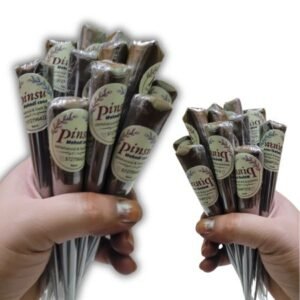
Buy Mehndi Cones Pack of 12 – Natural, Organic & Dark Stain
1. Harvest Timing and Its Impact on Fresh Henna Leaves
Climate and harvest season significantly affect dye strength. Henna grown in hot, arid climates typically produces stronger pigment.
Regions such as Rajasthan are known for premium crops because:
- Intense sunlight boosts dye concentration
- Dry conditions prevent fungal damage
- Controlled irrigation supports plant health
Farmers harvest mature leaves at peak growth to preserve optimal dye release potential.
Harvesting too early reduces pigment levels. Delayed harvesting weakens freshness and dye stability.
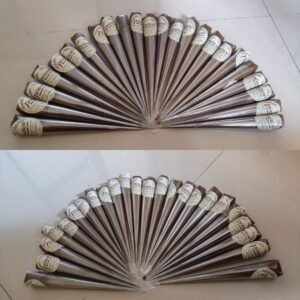
Buy Mehndi Cones Pack of 24 – Natural, Organic & Dark Stain
2. Drying Methods Preserve Fresh Henna Leaves Quality
Drying is a critical stage. Improper drying destroys pigment molecules.
Ideal Drying Process
- Shade drying instead of direct sun
- Low humidity conditions
- Proper air circulation
- No chemical exposure
Sun-drying under extreme heat may degrade lawsone prematurely. Controlled shade drying maintains natural color integrity.
Drying Method Comparison
| Drying Method | Dye Preservation | Recommended for Bridal Mehndi |
|---|---|---|
| Shade Drying | Excellent | Yes |
| Controlled Mechanical Drying | Very Good | Yes |
| Direct Harsh Sun | Moderate | Not Ideal |
| Industrial High Heat | Low | No |
Processing methods directly influence cone stain reliability.
3. Grinding and Sifting: Extending Fresh Henna Leaves Performance
Fine grinding ensures smooth cone flow. Coarse particles interrupt delicate mehndi design patterns.
Professional-grade powder undergoes:
- Microfine grinding
- Triple sifting
- Metal-free processing
This refinement ensures:
- Crisp Arabic patterns
- Intricate bridal lacework
- Consistent paste extrusion
Even fresh henna leaves lose their value if grinding standards remain poor.
4. Storage Science: Protecting Fresh Henna Leaves
Once processed into powder, storage becomes critical.
Exposure to:
- Light
- Heat
- Air
- Moisture
reduces dye content rapidly.
Best Storage Practices
- Airtight packaging
- Cool, dark environment
- Vacuum sealing when possible
- Minimal exposure before mixing
Proper storage protects the integrity of fresh henna leaves and preserves cone performance.
5. Mixing Techniques That Maximize Fresh Henna Leaves
Correct mixing unlocks dye release.
Professionals typically:
- Rest paste 8–24 hours
- Use high terpene essential oils
- Maintain ideal acidity levels
Acidic liquids such as lemon juice help release dye gradually. Balanced hydration prevents over-thinning.
Dye Release Indicators
- Paste darkens slightly
- Surface shows slight color shift
- Smooth elastic texture forms
Controlled dye release ensures strong stain development.
6. Impact on Bridal Mehndi and Cultural Significance
In Indian weddings, deep stain color symbolizes love and prosperity. Fresh henna leaves contribute directly to achieving that symbolic depth.
Bridal mehndi requires:
- Even oxidation
- Long stain retention
- Consistent color across hands and feet
Arabic patterns rely on bold outlines and smooth paste flow, which only fresh leaf powder can provide reliably.
Traditional motifs such as:
- Peacocks
- Mandalas
- Paisleys
- Kalash symbols
appear more defined when paste texture remains smooth and stable.
Cone performance becomes a cultural responsibility in ceremonial contexts.
7. Environmental and Ethical Sourcing of Fresh Henna Leaves
Sustainable sourcing improves both quality and safety.
Ethical farming practices ensure:
- No chemical pesticides
- Controlled irrigation
- Fair compensation for farmers
Organic cultivation enhances pigment purity and minimizes contamination risk.
Consumers increasingly prefer cones made from responsibly sourced fresh henna leaves.
8. Common Mistakes That Reduce Leaf Potency
Even high-quality leaves lose performance if mishandled.
Avoid these errors:
- Buying bulk powder without harvest date
- Storing in transparent containers
- Repeatedly opening packaging
- Mixing with boiling water
Each mistake weakens dye stability and lowers stain depth.
9. Technical Role of Fresh Henna Leaves in Cone Flow
Cone performance includes flow control and pressure response.
Fresh leaf powder produces paste that:
- Maintains elasticity
- Prevents cracking
- Delivers fine lines without breaks
Stale powder leads to:
- Tip clogging
- Uneven extrusion
- Blurry detailing
Professional mehndi artists rely on consistent paste behavior during long bridal sessions.
10. Testing Fresh Henna Leaves Before Bulk Use
Testing prevents event-day disappointment.
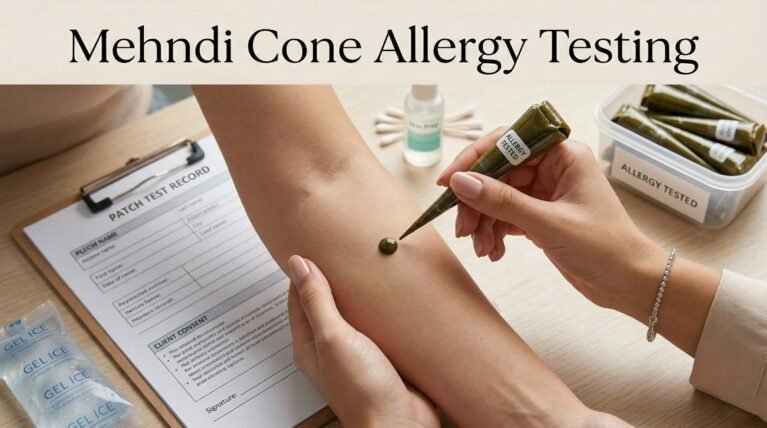
Patch Testing Method
- Apply small dot on palm.
- Leave paste 6 hours.
- Remove and observe at 24 hours.
Deep brown stain confirms strong dye release.
Light orange indicates weakened leaf potency.
Fresh Henna Leaves and Regional Design Adaptation
Different regional styles demand different paste behaviors.
Indian Intricate Style
Requires ultra-fine lines and dense shading.
Arabic Bold Style
Needs smooth thick flow with clear negative space.
Gulf and Moroccan Geometric Style
Demands consistent symmetry and high contrast.
Only fresh henna leaves provide versatility across these techniques.
Performance Breakdown Table
| Application Type | Required Leaf Freshness | Stain Expectation | Cone Consistency |
|---|---|---|---|
| Bridal Mehndi | Very High | Deep maroon | Ultra smooth |
| Festival Design | High | Medium brown | Smooth |
| Practice Work | Moderate | Light brown | Acceptable |
| Commercial Quick Cones | Variable | Unpredictable | Inconsistent |
Premium events demand premium raw material quality.
How Fresh Henna Leaves Influence Long-Term Brand Authority
For professional artists and brands like pinsumehndiart.in, consistency builds trust.
Reliable stain results:
- Increase referrals
- Strengthen portfolio quality
- Improve client satisfaction
- Support premium pricing
Fresh henna leaves form the technical backbone of that reliability.
Frequently Asked Questions (FAQ)
1. How can I identify powder made from fresh henna leaves?
Look for bright green color, earthy aroma, and harvest transparency from suppliers.
2. Do fresh henna leaves guarantee dark stains?
Freshness improves dye strength significantly, but proper mixing and aftercare remain essential.
3. How long does henna powder stay fresh?
Properly stored powder maintains potency for 6–12 months, depending on storage conditions.
4. Why does my cone clog even with good powder?
Grinding quality and sifting standards may be insufficient despite fresh henna leaves.
5. Is organic henna always fresher?
Organic cultivation reduces contamination risk, but harvest timing and storage determine actual freshness.
Final Thoughts
High-performing mehndi cones begin long before mixing or application. Fresh henna leaves determine stain richness, paste smoothness, and overall design precision. Artists who prioritize crop timing, proper drying, careful storage, and professional mixing techniques consistently achieve superior results.
Explore premium-quality cones crafted from carefully sourced fresh henna leaves and experience the difference in every stunning design you create.
More Design Inspiration