How Packaging Impacts Henna Freshness
Henna packaging and freshness play a decisive role in stain depth, cone performance, and overall mehndi quality. Many artists focus on fresh leaves, essential oils, and mixing techniques, yet overlook how packaging determines pigment stability. Even premium henna powder can lose dye strength if exposed to heat, light, air, or moisture during storage and transport.
For bridal mehndi, Arabic patterns, and intricate Indian designs, maintaining henna freshness is not optional. It directly influences oxidation, stain richness, and design clarity. This in-depth guide explores how packaging systems protect or damage henna quality and what professionals should demand from suppliers.
Master this with Professional Cones
The same products used in this guide are available in our shop.
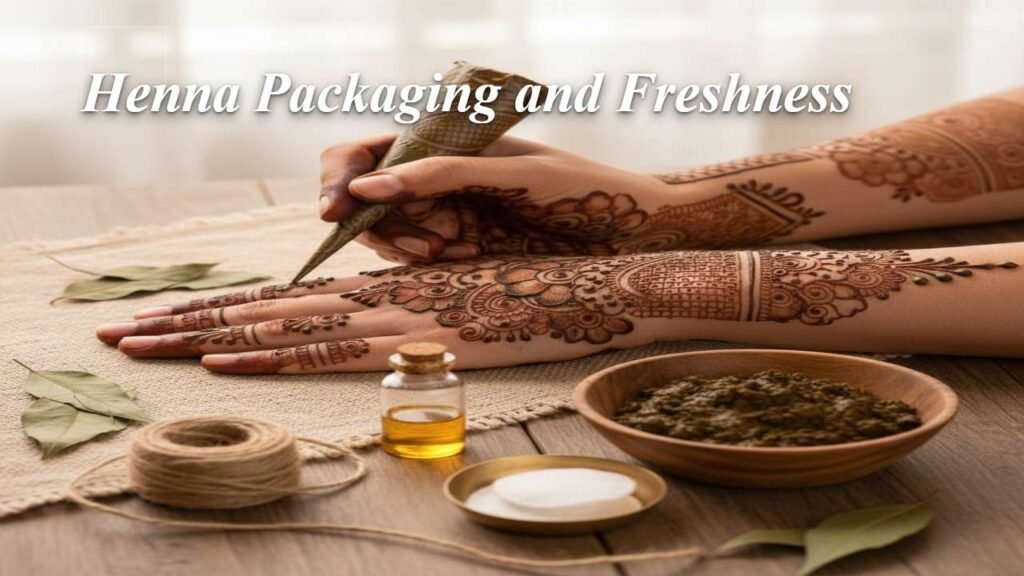
Why Henna Freshness Matters in Mehndi Art
Henna contains a natural dye molecule called lawsone. This molecule binds with keratin in the skin to create the final stain. When exposed to environmental stress, lawsone degrades.
Poor packaging causes:
Inside this Guide:
- Reduced dye potency
- Light orange stains
- Shorter color longevity
- Inconsistent bridal results
Understanding henna packaging and freshness allows artists to control stain performance rather than relying on chance.
Oxygen Exposure and Dye Degradation
Oxygen triggers slow oxidation inside stored powder. Premature oxidation weakens dye content before application.
Buy Mehndi Cones Pack of 24 – Natural, Organic & Dark Stain
Effects of Air Exposure
- Faded green powder color
- Reduced dye release
- Shortened shelf life
- Uneven stain results
Airtight packaging protects pigment molecules until mixing.
Packaging Comparison Table
| Packaging Type | Air Protection | Freshness Retention |
|---|---|---|
| Vacuum Sealed Foil | Excellent | Long-term |
| Heat-Sealed Pouch | Very Good | High |
| Zip-Lock Plastic | Moderate | Short-term |
| Open Paper Bag | Poor | Very Low |
Henna packaging and freshness depend heavily on oxygen control.
Light Exposure and Pigment Stability
Direct sunlight accelerates pigment breakdown. UV rays degrade natural plant compounds quickly.
Transparent containers may look attractive but allow light penetration.
Buy Mehndi Cones Pack of 24 – Natural, Organic & Dark Stain
Professional storage uses:
- Opaque foil packaging
- Dark containers
- Sealed secondary boxes
Shielding henna from light preserves dye strength for bridal applications.
Moisture Control and Humidity Risks
Henna powder absorbs moisture easily. Humidity introduces two major risks:
- Clumping and texture damage
- Microbial growth
In humid climates, especially coastal regions, moisture exposure significantly reduces shelf life.
Moisture Resistance Comparison
| Packaging Feature | Moisture Protection | Recommended |
|---|---|---|
| Multi-layer Foil | High | Yes |
| Thick Plastic | Moderate | Short-term |
| Paper Pouch | Low | No |
Moisture control remains central to henna packaging and freshness.
Temperature Stability During Storage
Heat accelerates pigment degradation. Improperly packaged henna stored in warm shops loses strength rapidly.
Ideal Storage Conditions
- Cool, dark environment
- Airtight sealing
- Minimal temperature fluctuation
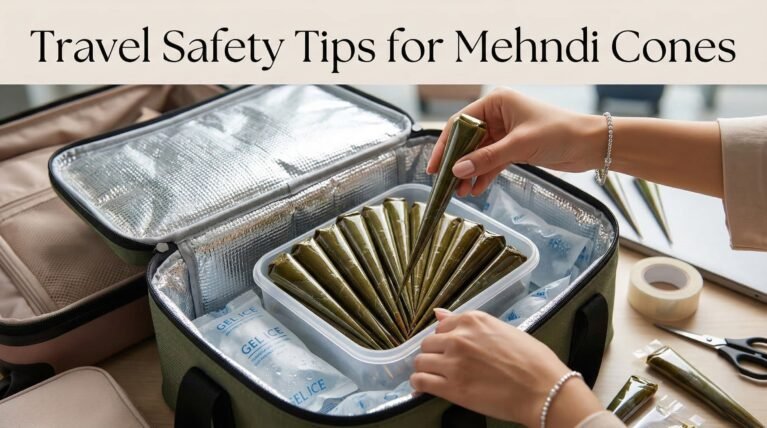
For prepared mehndi cones, freezing preserves dye release potential.
Climate awareness complements strong packaging practices.
Packaging and Bridal Mehndi Reliability
Bridal mehndi demands deep brown or maroon stains across palms and feet. Uneven pigment caused by poor packaging affects ceremonial symbolism.
In Indian culture, darker stains represent prosperity and affection. Professional artists cannot risk faded results due to weak packaging standards.
Henna packaging and freshness directly influence wedding-level consistency.
Impact on Arabic and Regional Styles
Arabic patterns require bold outlines and clear negative space. Weak pigment reduces visual contrast.
Moroccan geometric designs depend on crisp symmetry. Paste inconsistency from degraded powder disrupts detailing.
Contemporary minimal mehndi also benefits from controlled stain strength to maintain aesthetic balance.
Proper packaging ensures predictable performance across design styles.
Cone Packaging vs Powder Packaging
Henna packaging and freshness apply differently to powder and ready-made cones.
Powder Packaging
- Focus on oxygen and moisture protection
- Long-term storage stability
Cone Packaging
- Prevents air leakage
- Maintains paste elasticity
- Preserves essential oil potency
Poor cone wrapping may allow air entry, drying paste prematurely.
Transportation and Supply Chain Impact
Even well-sealed henna loses freshness if transported improperly.
Heat exposure during shipping may:
- Reduce dye strength
- Accelerate oil evaporation
- Shorten usable lifespan
Professional suppliers use insulated transport when possible.
Local market vendors often lack climate-controlled logistics.
Shelf Life and Expiration Awareness
Henna powder typically remains effective for 6–12 months if packaged properly.
Signs of reduced freshness include:
- Dull brown powder color
- Weak earthy scent
- Delayed oxidation
- Light orange stain after 48 hours
Checking production date and storage conditions protects artistic outcomes.
Sustainable and Ethical Packaging
Modern consumers value eco-conscious solutions. Sustainable packaging balances freshness with environmental responsibility.
Options include:
- Recyclable foil pouches
- Biodegradable outer cartons
- Minimal plastic use
Eco-friendly packaging should not compromise pigment protection.
Henna packaging and freshness must coexist with sustainability.
Scientific Explanation: Why Packaging Affects Dye Chemistry
Lawsone molecules degrade when exposed to oxygen, moisture, and UV radiation. Each factor alters chemical stability.
Oxidation before skin contact reduces bonding strength with keratin. Moisture triggers premature reactions. Heat accelerates molecular breakdown.
Packaging acts as a protective barrier against these chemical threats.
Professional Quality Checklist
When evaluating henna packaging, professionals look for:
- Vacuum-sealed foil layers
- Opaque exterior
- Production date labeling
- Airtight reseal feature
- Clear storage instructions
Reliable packaging strengthens brand authority and client trust.
Common Packaging Mistakes to Avoid
Artists should avoid:
- Buying powder stored in open bins
- Keeping henna in transparent jars
- Storing near kitchen heat
- Leaving cones exposed overnight
Small oversights cause major pigment loss.
Long-Term Business Benefits
Maintaining henna packaging and freshness supports:
- Consistent stain depth
- Strong bridal portfolios
- Positive client reviews
- Reduced product waste
- Professional credibility
Quality control extends beyond artistry into material management.
Regional Climate Considerations
Different climates demand specific packaging standards.
| Region | Climate Type | Packaging Priority |
|---|---|---|
| Rajasthan | Hot & Dry | Heat resistance |
| Kerala | Humid Coastal | Moisture barrier |
| Delhi (Winter) | Cold | Stable sealing |
| Mumbai | Warm & Humid | Multi-layer foil |
Climate-sensitive packaging improves year-round reliability.
Frequently Asked Questions (FAQ)
1. How can I tell if henna packaging is high quality?
Look for vacuum-sealed, opaque foil packaging with clear production dates.
2. Does transparent packaging reduce freshness?
Yes. Light exposure accelerates pigment degradation.
3. Can I store henna powder in a plastic container?
Only if airtight and kept in a cool, dark place. Foil packaging offers better protection.
4. How long do properly packaged cones last?
Frozen cones remain effective for 3–6 months.
5. Why did my henna stain turn light despite good technique?
Poor packaging may have weakened dye potency before mixing.
Final Thoughts
Henna artistry begins long before application. Henna packaging and freshness determine whether pigment molecules remain strong enough to create deep, long-lasting stains. Oxygen, light, moisture, and heat all threaten dye stability, making protective packaging essential for bridal and professional results. Artists who prioritize proper storage and packaging standards ensure reliable performance across every regional style.
Choose expertly packaged henna products that safeguard freshness and elevate every mehndi design to its fullest potential.
More Design Inspiration