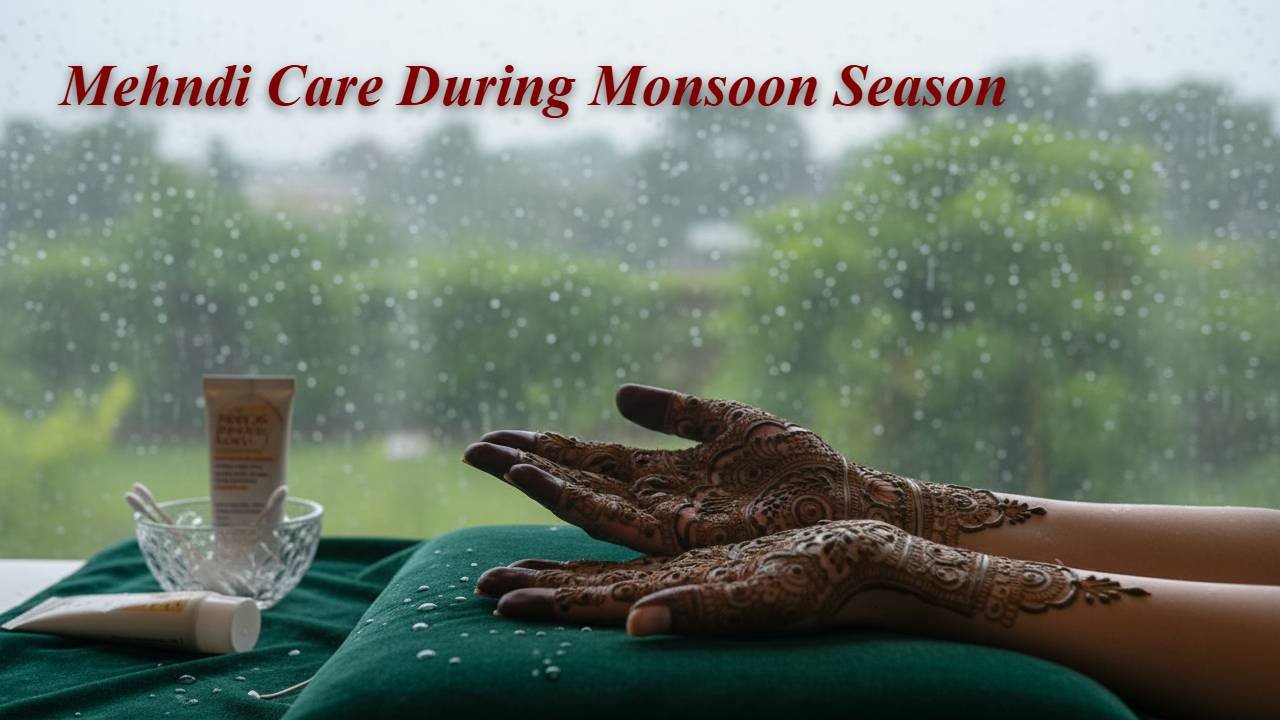
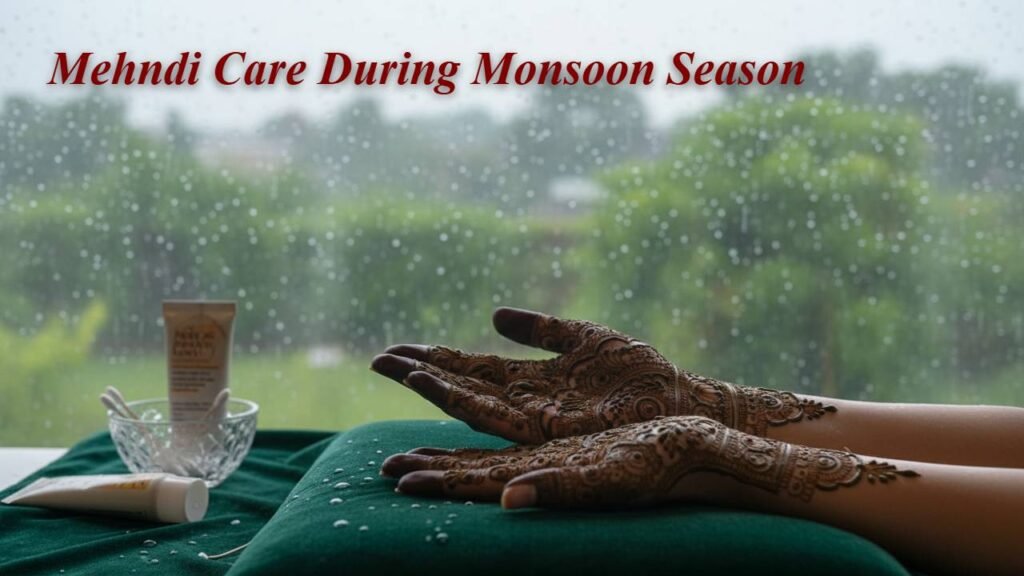
Mehndi Care During Monsoon Season requires a completely different strategy compared to summer or winter applications. High humidity, constant moisture in the air, unpredictable rainfall, and fluctuating temperatures directly affect henna stain development.
During monsoon, mehndi paste may dry slower, oxidation may behave differently, and excessive moisture can interfere with dye binding. Bridal mehndi, Arabic patterns, and intricate traditional designs require structured care to prevent smudging, fading, or uneven color.
Master this with Professional Cones
The same products used in this guide are available in our shop.
This comprehensive guide explains the science behind humidity effects, professional application adjustments, and practical aftercare steps that ensure deep, rich, and long-lasting stains even in rainy conditions.
Understanding the Science of Mehndi in Humid Weather
To master Mehndi Care During Monsoon Season, we must understand how humidity impacts henna chemistry.
Inside this Guide:
Henna staining depends on:
- Dye release from lawsone
- Keratin binding
- Controlled moisture
- Heat retention
- Oxidation
Monsoon air contains high moisture levels. While moderate moisture helps dye migration, excessive humidity slows paste drying and increases the risk of smudging.
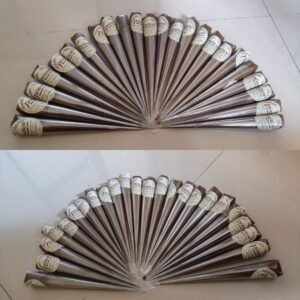
Buy Mehndi Cones Pack of 24 – Natural, Organic & Dark Stain
How Humidity Affects Stain Development
Humidity changes three major aspects of henna application:
1. Paste Drying Speed
High moisture in the air prevents quick drying. Paste may remain tacky for longer periods.
2. Oxidation Rate
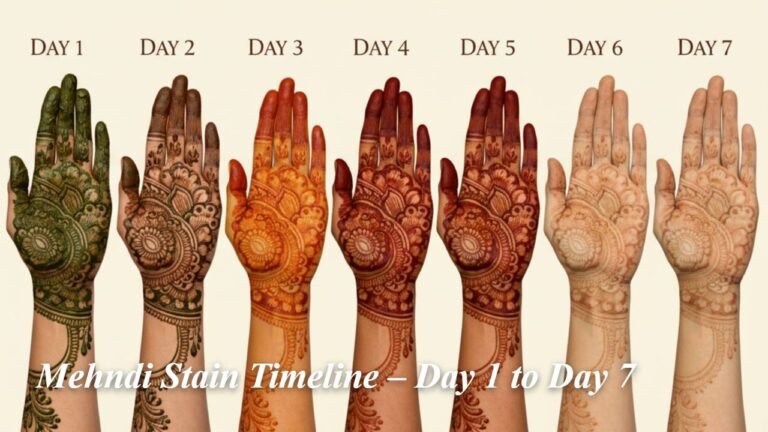
Oxidation continues after paste removal, but excess moisture may delay full stabilization.
3. Skin Surface Condition
Sweat increases during humid weather, affecting paste adhesion.
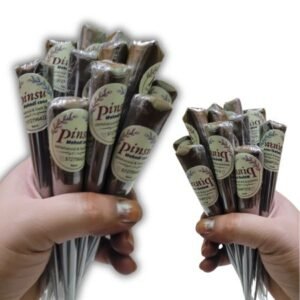
Buy Mehndi Cones Pack of 12 – Natural, Organic & Dark Stain
| Weather Condition | Drying Speed | Stain Depth Impact |
|---|---|---|
| Dry Summer | Fast | Strong if sealed |
| Cold Winter | Moderate | Slower oxidation |
| Humid Monsoon | Slow | Risk of smudging |
Understanding these variables strengthens effective Mehndi Care During Monsoon Season.
Pre-Application Tips for Mehndi Care During Monsoon Season
Preparation becomes even more important during rainy months.
Skin Preparation
- Wash hands with mild soap.
- Dry thoroughly before application.
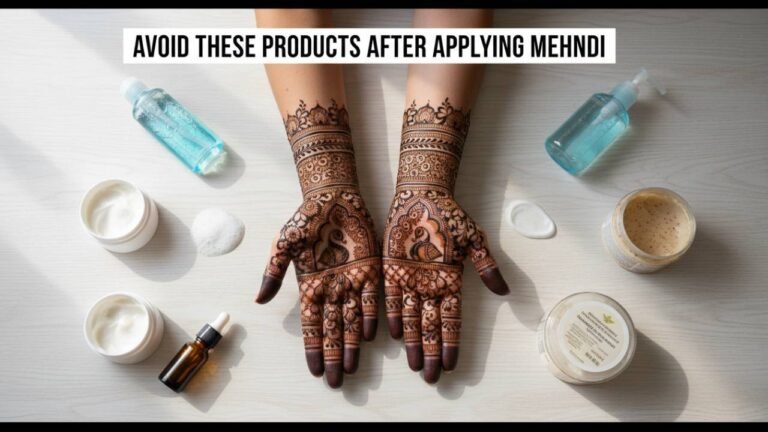
- Avoid applying lotion beforehand.
Environmental Preparation
- Choose a well-ventilated room.
- Use fan circulation without direct airflow.
- Avoid extremely damp areas.
Controlled airflow improves paste setting without causing cracking.
Paste Consistency Adjustments
Professional artists often slightly adjust paste thickness during monsoon.
Why?
- Thicker paste reduces smudging.
- Balanced moisture prevents over-spreading.
- Stable cone control improves intricate detailing.
For bridal mehndi with dense mandalas and paisleys, consistency must remain smooth yet firm.
Arabic patterns with flowing vines require precise line stability.
Drying Strategy in Monsoon Season
Because humidity slows drying, structured management becomes essential.
Recommended Techniques
- Use gentle fan circulation.
- Avoid direct rain exposure.
- Keep hands elevated while drying.
- Do not touch surfaces prematurely.
Avoid hair dryers on high heat. Rapid forced drying can cause uneven cracking.
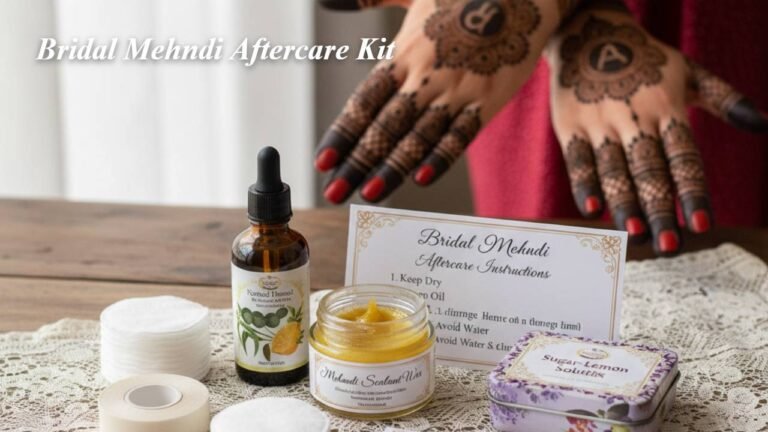
Lemon-Sugar Sealant in Humid Conditions
Lemon-sugar mixture traditionally helps paste adhere longer. However, during monsoon, overuse may increase stickiness.
Apply lightly and only after paste partially dries. Excess sealant in high humidity may cause smearing.
Balanced application defines successful Mehndi Care During Monsoon Season.
Night Care Routine During Monsoon
Overnight care requires special attention.
Steps to Follow
- Scrape paste gently.
- Avoid water for 12–24 hours.
- Apply light natural oil.
- Keep hands warm but dry.
Humidity combined with sweat can weaken oxidation if not controlled.
Use breathable cotton gloves instead of plastic wrapping.
Oils That Support Mehndi Care During Monsoon Season
Certain oils create protective barriers without trapping excessive moisture.
| Oil Type | Benefit in Monsoon |
|---|---|
| Coconut Oil | Protects from water exposure |
| Mustard Oil | Adds mild warmth |
| Olive Oil | Prevents dryness |
| Diluted Clove Oil | Enhances circulation |
Light application prevents excess dampness.
Bridal Mehndi in Rainy Weather
Bridal mehndi during monsoon requires careful scheduling.
Recommendations:
- Plan indoor application.
- Avoid outdoor photos immediately after application.
- Keep hands dry during wedding rituals.
- Maintain warmth overnight.
Dense bridal designs benefit from extended contact time despite slower drying.
Arabic Designs and Humidity
Arabic mehndi features open layouts and bold outlines. Because lines are thinner, they remain vulnerable to smudging in humid air.
Precautions:
- Keep hands steady while drying.
- Avoid resting arms on moist surfaces.
- Reduce excessive sealant.
Monsoon demands precision and patience.
Common Mistakes in Mehndi Care During Monsoon Season
Avoid these errors:
- Applying paste in extremely damp rooms.
- Washing hands early due to stickiness.
- Using excessive lemon-sugar mixture.
- Ignoring night warmth.
- Sleeping without protection.
Each mistake reduces stain depth.
Managing Sweat and Moisture
Sweating increases during humid weather.
Tips:
- Stay in air-cooled environment without direct airflow.
- Avoid heavy physical activity post-application.
- Keep tissues nearby to dab sweat gently without touching design.
Moisture control ensures clean lines and consistent oxidation.
Duration Considerations During Monsoon
Keeping paste longer may compensate for slower dye penetration.
| Duration | Result in Monsoon |
|---|---|
| 4 hours | Moderate stain |
| 6 hours | Strong stain |
| Overnight | Maximum depth |
Extended retention often produces richer results when managed properly.
Cultural Practices During Rainy Weddings
In many regions, monsoon weddings are considered auspicious. Brides traditionally:
- Keep hands wrapped overnight.
- Stay indoors after mehndi ceremony.
- Apply warm oil before sleeping.
Cultural wisdom reflects practical stain protection methods.
Long-Term Stain Preservation in Humidity
After full oxidation:
- Avoid prolonged water exposure.
- Pat hands dry immediately after washing.
- Reapply oil before exposure to rain.
- Avoid frequent sanitizer use.
Protecting the outer layer preserves intricate mehndi design clarity.
Troubleshooting Monsoon Stain Issues
| Problem | Likely Cause | Solution |
|---|---|---|
| Smudging | High humidity | Improve ventilation |
| Pale color | Early washing | Delay water contact |
| Uneven stain | Sweat interference | Control moisture |
| Fading quickly | No oil barrier | Apply protective oil |
Strategic correction prevents disappointment.
Expert Recommendations for Consistent Results
Professional mehndi artists focus on:
- High-quality organic henna cones.
- Controlled indoor environment.
- Balanced sealant application.
- Structured night care.
Mehndi Care During Monsoon Season demands discipline more than any other season.
Why Monsoon Can Still Produce Gorgeous Stains
Despite challenges, monsoon offers one advantage. Slightly moist air can prevent paste from drying too fast, allowing extended dye contact when managed properly.
Controlled humidity plus warmth often yields beautifully rich bridal tones.
Precision and patience transform potential obstacles into advantages.
Frequently Asked Questions
1. Does humidity make mehndi darker?
Humidity alone does not darken stain. Controlled warmth and duration determine depth.
2. Can rain ruin fresh mehndi?
Direct water exposure can weaken stain and cause smudging.
3. Should I avoid lemon-sugar in monsoon?
Use lightly. Excess sealant increases stickiness.
4. Is overnight retention safe in humid weather?
Yes, if hands remain dry and warm.
5. Why did my mehndi take longer to dry?
High moisture in air slows evaporation during monsoon.
Final Thoughts
Mehndi Care During Monsoon Season requires thoughtful preparation, moisture control, and disciplined aftercare. Humidity presents challenges, but proper ventilation, balanced sealant use, protective oils, and extended duration can produce stunning bridal mehndi and elegant Arabic designs even in rainy weather.
Choose premium organic cones and follow structured monsoon care practices to achieve deep, long-lasting stain that remains beautiful despite the season.
More Design Inspiration