Mehndi Care During Winter Season becomes crucial when temperatures drop and stain results suddenly change. Many people notice lighter color, slower oxidation, and uneven patches during colder months. They often blame cone quality or application technique.
Cold weather directly affects skin temperature, dye absorption, and oxidation speed. Without proper winter aftercare, even premium bridal mehndi can appear dull.
Master this with Professional Cones
The same products used in this guide are available in our shop.
Understanding how winter impacts henna chemistry allows you to adjust technique and achieve deep, rich color consistently.
Why Winter Affects Mehndi Stain Development
Henna staining depends heavily on warmth. Lawsone dye molecules bind better when skin remains warm. Cold temperatures slow blood circulation and reduce dye penetration.
Inside this Guide:
In winter:
- Skin feels dry and rough
- Circulation slows
- Paste dries faster
- Oxidation occurs more slowly
These changes explain why winter stains often appear lighter compared to summer applications.

Buy Mehndi Cones Pack of 12 – Natural, Organic & Dark Stain
The Science Behind Mehndi Care During Winter Season
Henna contains lawsone, which binds to keratin in the outer skin layer. For optimal binding, three factors must align:
- Warm skin temperature
- Adequate paste retention time
- Proper oxidation after removal
Cold air lowers skin temperature. Dry air removes natural moisture. These factors reduce dye absorption efficiency.
Here is a simplified comparison:
| Condition | Summer | Winter |
|---|---|---|
| Skin temperature | Warm | Cool |
| Circulation | Strong | Reduced |
| Oxidation speed | Faster | Slower |
| Stain depth (without care) | Dark | Medium |
Proper Mehndi Care During Winter Season compensates for these differences.
Buy Mehndi Cones Pack of 24 – Natural, Organic & Dark Stain
Mehndi Care During Winter Season Before Application
Preparation becomes more important in cold weather.
Skin Preparation
Before applying mehndi:
- Wash hands thoroughly
- Lightly exfoliate dry skin
- Avoid heavy lotions
- Warm hands gently before design
Cold, dry skin blocks dye penetration. Mild warming improves stain absorption.
Choosing the Right Henna Paste
In winter, paste consistency matters more.
Ideal winter paste should:
- Be slightly thicker
- Contain balanced essential oil
- Have strong dye release
Fresh henna powder performs better than old stock during cold months.
Mehndi Care During Winter Season During Application
Application timing plays a major role in winter success.
Maintain Warm Environment
Apply mehndi indoors where temperature remains stable. Avoid outdoor winter air.
Use:
- Room heaters
- Warm blankets
- Comfortable seating
Cold surroundings slow stain development from the beginning.
Extend Paste Retention Time
Winter requires longer paste retention.
| Season | Recommended Retention Time |
|---|---|
| Summer | 6–8 hours |
| Winter | 8–12 hours |
Extended retention allows more dye absorption in cooler skin conditions.
Mehndi Care During Winter Season After Paste Removal
Removal technique remains critical.
Remove Without Water
Always scrape dried paste gently. Avoid washing hands for at least 24 hours.
Cold water especially weakens oxidation in winter. Protect hands carefully.
Apply Natural Oil Barrier
Immediately after scraping:
- Apply mustard oil
- Use coconut oil
- Massage gently
Oil traps warmth and protects oxidation from dry winter air.
Keep Hands Warm During Oxidation
Oxidation takes 24–48 hours. In winter, warmth is essential.
You can:
- Wear soft gloves
- Sit near mild heat
- Keep hands covered overnight
Avoid exposing hands to cold wind.
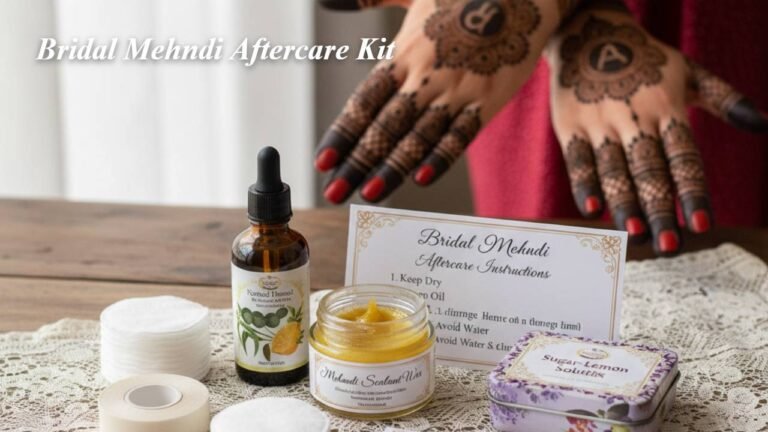
Mehndi Care During Winter Season for Bridal Mehndi
Bridal mehndi in winter demands extra care. Brides want deep maroon stains for photography and ceremonies.
Bridal designs often include:
- Dense mandalas
- Paisley motifs
- Cultural symbols
- Groom initials
Dense patterns benefit from extended warmth.
Brides should:
- Apply mehndi two days before ceremony
- Avoid morning baths
- Wear gloves while sleeping
Winter discipline creates wedding-perfect stains.
Mehndi Care During Winter Season for Different Design Styles
Indian Bridal Style
Dense coverage needs maximum warmth. Extended retention works best.
Arabic Mehndi Patterns
Open patterns dry quickly in winter. Protect from cold air exposure.
Minimal Modern Designs
Thin lines require consistent warmth to prevent light staining.
Each style responds differently to winter conditions.
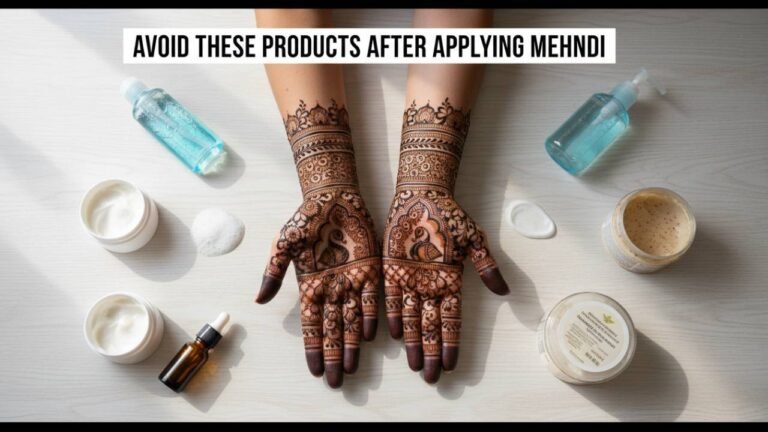
Common Winter Mistakes That Lighten Mehndi
Avoid these frequent errors:
- Sitting near direct cold air
- Washing hands early
- Using sanitizer frequently
- Skipping oil after removal
- Applying mehndi outdoors in cold weather
Small mistakes significantly reduce stain depth.
Advanced Techniques for Mehndi Care During Winter Season
Professional artists use additional winter strategies.
Pre-Warming Skin
Ask clients to rub hands together before application. Increased circulation improves absorption.
Controlled Dry Heat
Use mild dry heat rather than steam. Steam adds moisture and softens design.
Dry warmth enhances penetration safely.
Double Sealing Technique
After paste partially dries:
- Apply light lemon-sugar seal
- Allow it to set
- Avoid oversaturation
Proper sealing prevents cracking during winter dryness.
How Winter Climate Impacts Regional Styles
Northern India experiences colder winters than southern regions. Brides in Delhi or Rajasthan require more warmth management compared to coastal cities.
Regional adaptation ensures consistent stain results across climates.
Winter mehndi in colder states needs extended oxidation protection.
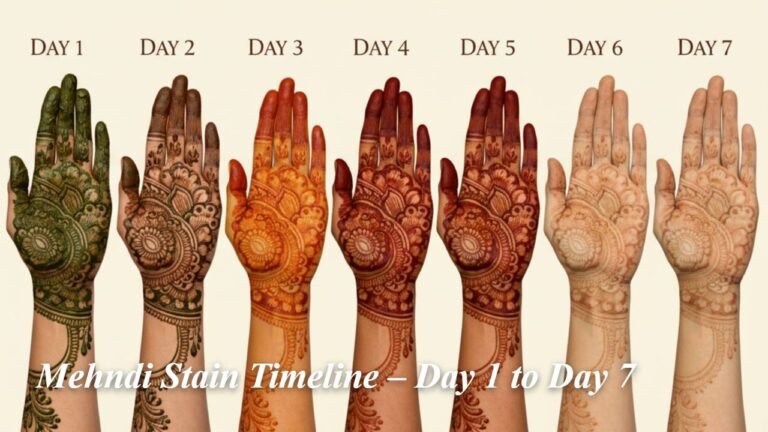
Oxidation Timeline in Winter
| Time After Removal | Expected Winter Color |
|---|---|
| Immediately | Bright orange |
| 12 hours | Light brown |
| 24 hours | Medium brown |
| 48 hours | Deep brown |
Patience becomes essential during winter months.
Skin Type and Winter Mehndi Care
Winter amplifies skin dryness.
| Skin Type | Winter Effect | Recommendation |
|---|---|---|
| Dry | Flaky surface | Gentle exfoliation before application |
| Oily | Balanced | Normal preparation |
| Sensitive | Irritation risk | Avoid excessive heat |
| Sweaty | Rare in winter | Moderate care |
Adjust care according to skin condition.
Cultural Significance of Winter Mehndi
Winter weddings dominate many Indian calendars. Mehndi ceremonies symbolize joy, prosperity, and blessings.
Cold weather should never compromise symbolic richness.
Proper Mehndi Care During Winter Season preserves tradition while ensuring stunning aesthetics.
Professional Artist Guidelines
Professional mehndi artists should:
- Educate clients about winter aftercare.
- Adjust paste retention time.
- Maintain warm environment.
- Recommend oil protection.
- Schedule bridal sessions earlier.
Clear instructions enhance reputation and consistency.
Frequently Asked Questions
1. Why does mehndi turn lighter in winter?
Cold temperatures slow dye absorption and oxidation, reducing stain depth.
2. How long should mehndi stay on in winter?
Keep paste for 8–12 hours for better dye penetration.
3. Can I wash hands after removing mehndi in winter?
Avoid water for 24 hours to protect oxidation.
4. Does steam help winter mehndi darken?
Mild dry heat works better than steam to avoid moisture interference.
5. Should bridal mehndi be applied earlier in winter?
Yes. Apply 36–48 hours before the ceremony for best color development.
Final Thoughts
Mehndi Care During Winter Season requires warmth management, extended retention time, and disciplined aftercare. Cold weather slows chemistry, but proper technique restores depth and richness.
Artists who adapt to seasonal changes consistently achieve darker, longer-lasting stains.
Explore premium winter-ready mehndi cones and expert aftercare solutions at pinsumehndiart.in to ensure every design glows beautifully even in the coldest months.
More Design Inspiration