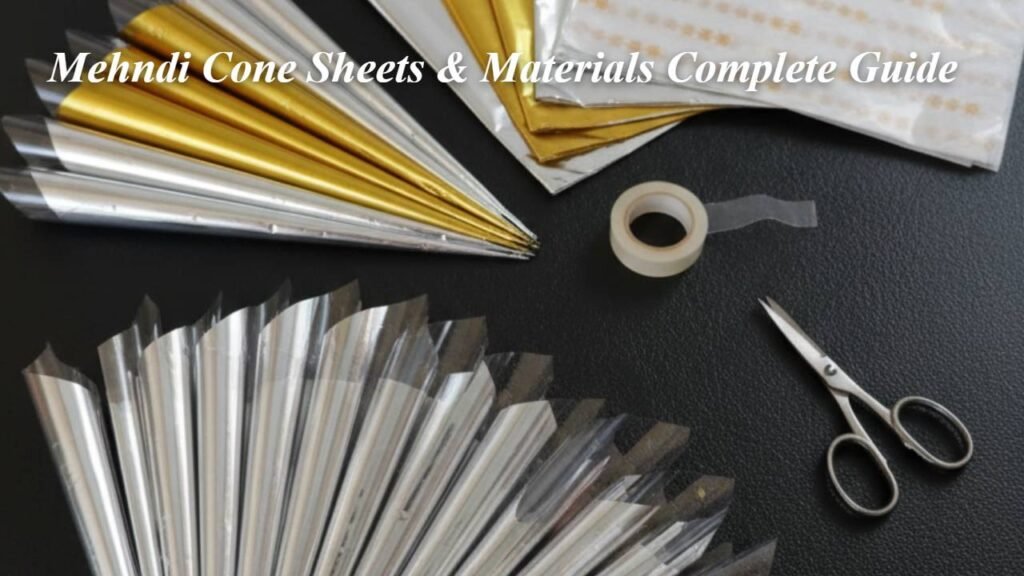
Mehndi Cone Sheets & Materials determine how smoothly your henna flows, how sharp your lines look, and how dark your stain develops. Artists often blame paste consistency when designs break or leak. In reality, the cone sheet plays an equally powerful role.
Every bridal mehndi session, Arabic pattern layout, and fine-line mandala depends on precision flow. A poorly chosen transparent sheet can ruin intricate paisleys. An overly thin cone material can cause leakage mid-application. Professional artists understand that sheet science matters as much as henna quality.
Master this with Professional Cones
The same products used in this guide are available in our shop.
This guide breaks down everything you need to know about Mehndi Cone Sheets & Materials — from sheet type and thickness to pricing and wholesale sourcing.
1. Which Sheet Is Used for Mehndi Cones?
When discussing Mehndi Cone Sheets & Materials, artists usually refer to three common types:
Inside this Guide:
- Cellophane sheets
- Plastic sheets
- Transparent polypropylene sheets
Among professionals, clear cellophane or OPP (Oriented Polypropylene) remains the preferred cone material due to flexibility and grip.
Why Transparent Sheets Work Best
Transparent sheets allow artists to:
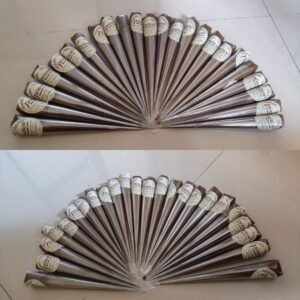
Buy Mehndi Cones Pack of 24 – Natural, Organic & Dark Stain
- Monitor paste consistency during filling
- Check air gaps inside the cone
- Control flow pressure
- Maintain consistent tip structure
Bridal mehndi artists especially prefer high-clarity cone sheets for detailed Indian bridal motifs and dense shading techniques.
2. Cellophane vs Plastic vs Transparent Sheet
Understanding the differences within Mehndi Cone Sheets & Materials helps prevent clogging and leakage.
Comparison Table
| Feature | Cellophane Sheet | Plastic Sheet | Transparent OPP Sheet |
|---|---|---|---|
| Flexibility | High | Medium | High |
| Grip While Holding | Excellent | Slippery | Very Good |
| Flow Control | Smooth | Inconsistent | Controlled |
| Tear Resistance | Moderate | High | High |
| Ideal For | Bridal mehndi | Practice cones | Professional use |
| Cost | Affordable | Cheap | Slightly premium |
Expert Insight
- Plastic sheets feel stiff and create pressure imbalance.
- Cellophane allows better micro-pressure control for Arabic pattern outlines.
- OPP sheets offer durability with flexibility, ideal for long bridal sessions.
Professional artists choose Mehndi Cone Sheets & Materials based on design style. Intricate Rajasthani patterns need flexible sheets. Bold Gulf designs tolerate firmer sheets.
3. Sheet Thickness & Flow Science
Thickness directly impacts paste pressure and line sharpness.
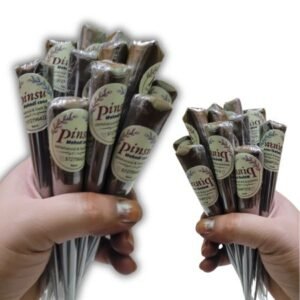
Buy Mehndi Cones Pack of 12 – Natural, Organic & Dark Stain
Standard Thickness Range
- 30–40 microns: Ultra thin, high risk of leakage
- 40–50 microns: Balanced flow
- 50–60 microns: Strong, ideal for beginners
Flow Science Explained
When pressure builds inside a cone:
- Thin sheet = higher expansion = uneven line width
- Balanced sheet = stable tip control
- Thick sheet = requires more pressure, reduces fine detailing
Professional Mehndi Cone Sheets & Materials usually fall between 40–45 microns. This range provides precision for lace gloves, mandalas, and bridal peacock motifs.
4. Sheet Size Guide
Standard sizing improves cone consistency.
Common Pre-Cut Sizes
| Sheet Size | Best Use |
|---|---|
| 6×6 inch | Small practice cones |
| 7×7 inch | Arabic patterns |
| 8×8 inch | Bridal heavy fill |
| A4 Cut Triangles | Bulk professional use |
Smaller sheets produce thinner cones. Larger sheets allow wider fill and longer working time.
Bridal mehndi requires consistent pressure control. Therefore, 7×7 or 8×8 sheets dominate the professional market.
5. How to Cut Sheet Perfectly
Even high-quality Mehndi Cone Sheets & Materials fail if cutting angles are wrong.
Correct Cutting Method
- Use sharp scissors or a precision blade.
- Cut perfect square sheets.
- Slice diagonally into equal triangles.
- Avoid jagged edges.
- Keep corners sharp for tight tip rolling.
Sharp triangular symmetry ensures a stable cone tip. Uneven cuts create weak pressure points that cause leaks during dense shading.
6. Pre-Cut vs Roll Comparison
Artists often debate between buying pre-cut sheets or full rolls.
Comparison Table
| Factor | Pre-Cut Sheets | Roll Sheets |
|---|---|---|
| Convenience | High | Moderate |
| Time Saving | Excellent | Requires cutting |
| Cost | Slightly higher | Economical |
| Bulk Use | Suitable | Ideal |
| Waste Control | Minimal | Depends on cutting |
Pre-cut Mehndi Cone Sheets & Materials work best for small studios. Rolls suit wholesalers and large bridal teams.
7. Cone Sealing Methods
Sealing determines cone durability.
Popular Sealing Techniques
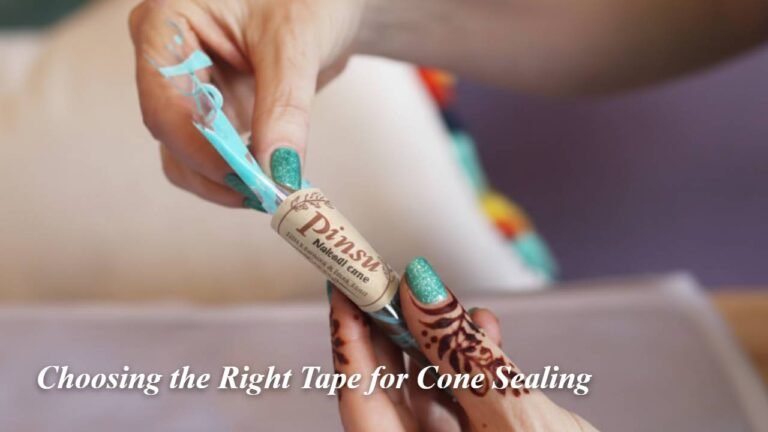
- Transparent tape
- Heat sealing
- Rubber band twist lock
- Adhesive strip sheets
Heat sealing offers leak-proof strength but requires equipment. Tape sealing remains the most practical method.
Professional bridal artists often double-seal heavy cones to prevent rupture during long ceremonies.
8. Prevent Leakage Guide
Leakage ruins bridal sessions and wastes premium henna paste.
Common Causes
- Thin sheet material
- Overfilling cone
- Loose tape sealing
- Weak tip structure
Prevention Strategy
- Use 40–45 micron Mehndi Cone Sheets & Materials
- Leave 1 inch empty space at the top
- Apply firm tape compression
- Test flow before application
Consistent testing protects intricate Indian bridal motifs and symmetrical mandala alignment.
9. Sheet Price Breakdown
Sheet price varies by quality and quantity.
Approximate Market Pricing (India)
| Type | Retail Price (Approx) | Wholesale (Bulk 1000+) |
|---|---|---|
| Cellophane Pre-Cut | ₹120–₹180 per 100 pcs | ₹800–₹1200 |
| OPP Transparent | ₹150–₹220 per 100 pcs | ₹900–₹1500 |
| Plastic Sheet | ₹80–₹120 per 100 pcs | ₹600–₹900 |
Premium Mehndi Cone Sheets & Materials cost more but reduce paste wastage and client dissatisfaction.
Lower-priced sheets often compromise flexibility and stain precision.
10. Wholesale Buying Guide
Scaling a mehndi business requires strategic sourcing.
What to Check Before Buying in Bulk
- Micron thickness certification
- Transparency clarity
- Smooth surface texture
- No chemical odor
- Even edge finishing
Ideal Wholesale Strategy
- Order sample batch first
- Test flow with natural henna
- Evaluate leakage resistance
- Compare price per 1000 units
Bulk purchasing reduces operational costs for bridal mehndi artists and Arabic design specialists.
Artists building ecommerce sections should categorize Mehndi Cone Sheets & Materials by:
- Thickness range
- Size
- Pre-cut vs roll
- Professional vs beginner grade
Cultural & Technical Significance
Henna application dates back centuries across India, the Middle East, and North Africa. Traditional designs symbolized prosperity, joy, and spiritual protection. Modern bridal mehndi merges cultural symbolism with technical precision.
Today’s detailed lacework and portrait mehndi require flawless cone construction. Without stable Mehndi Cone Sheets & Materials, even the finest organic henna paste underperforms.
Flow precision defines line sharpness. Line sharpness defines stain visibility. Stain visibility defines client satisfaction.
Materials matter.
Future Ecommerce Opportunity
Search demand for:
- Cone sheet
- Transparent sheet
- Sheet price
- Cone material
continues rising. Building a structured materials section positions pinsumehndiart.in as a complete authority — not just a design blog.
You can create subcategories like:
- Premium Professional Cone Sheets
- Bridal Grade Transparent Sheets
- Bulk Wholesale Packs
- Beginner Starter Materials
This structure strengthens topical relevance and improves long-term ranking stability.
Frequently Asked Questions (FAQ)
1. Which sheet is best for professional bridal mehndi?
Transparent OPP sheets between 40–45 microns provide the best flow control and durability for bridal sessions.
2. Can I use normal plastic sheet for mehndi cones?
You can, but flow control becomes inconsistent. Professional Mehndi Cone Sheets & Materials perform better.
3. What thickness prevents leakage?
Sheets between 40–50 microns reduce expansion and prevent pressure cracks.
4. Are pre-cut sheets better than rolls?
Pre-cut sheets save time. Rolls reduce cost in bulk production setups.
5. How do I know if a sheet is good quality?
Check flexibility, transparency clarity, smooth texture, and tear resistance before bulk purchase.
More Design Inspiration