Introduction: Why Longevity Matters
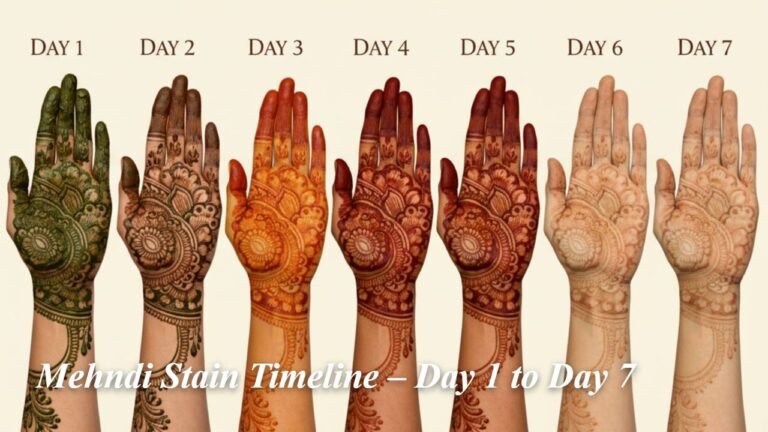
A high-quality natural henna stain lasts 7–14 days. Crucially, if a stain lasts significantly longer (3+ weeks), it is likely unsafe black henna with PPD, which is toxic.
Fading is inevitable, but premature fading is preventable. Your clients’ satisfaction depends not only on your Mehndi skills but also on your guidance and aftercare instructions.
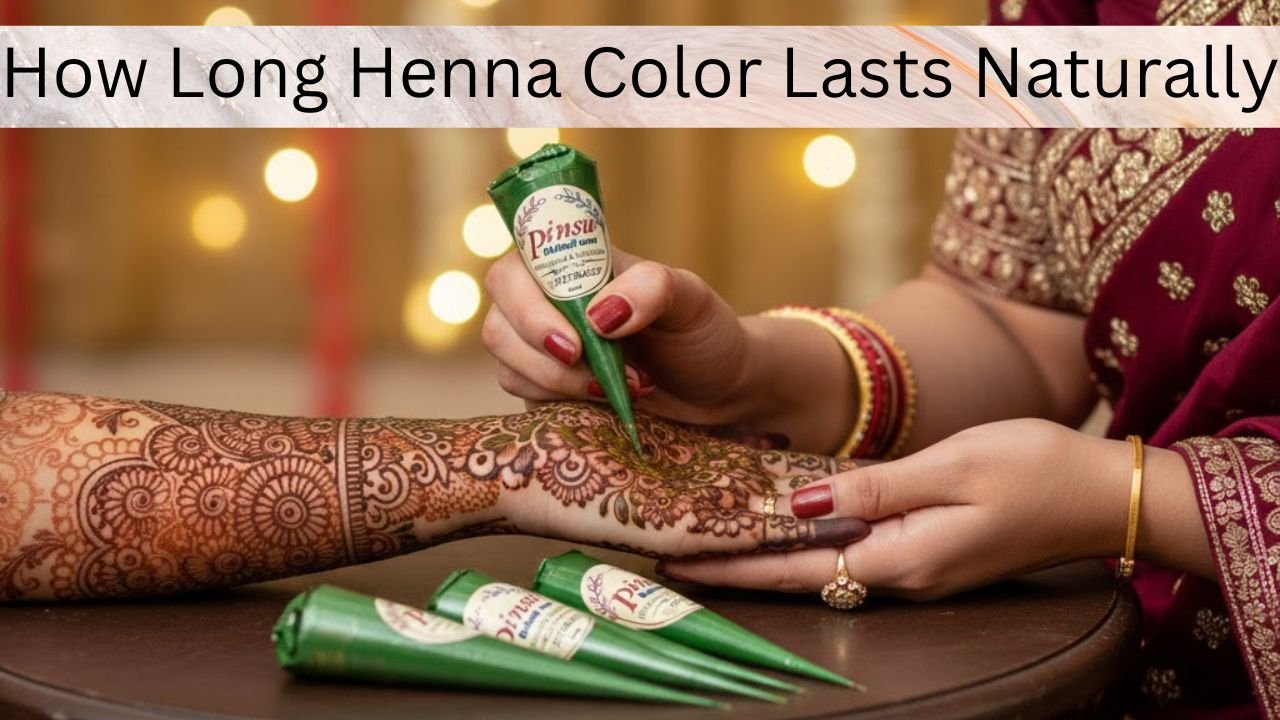
Master this with Professional Cones
The same products used in this guide are available in our shop.
This guide breaks down the five critical factors affecting Mehndi longevity and provides actionable tips for achieving rich, lasting Dulhan Mehndi results.
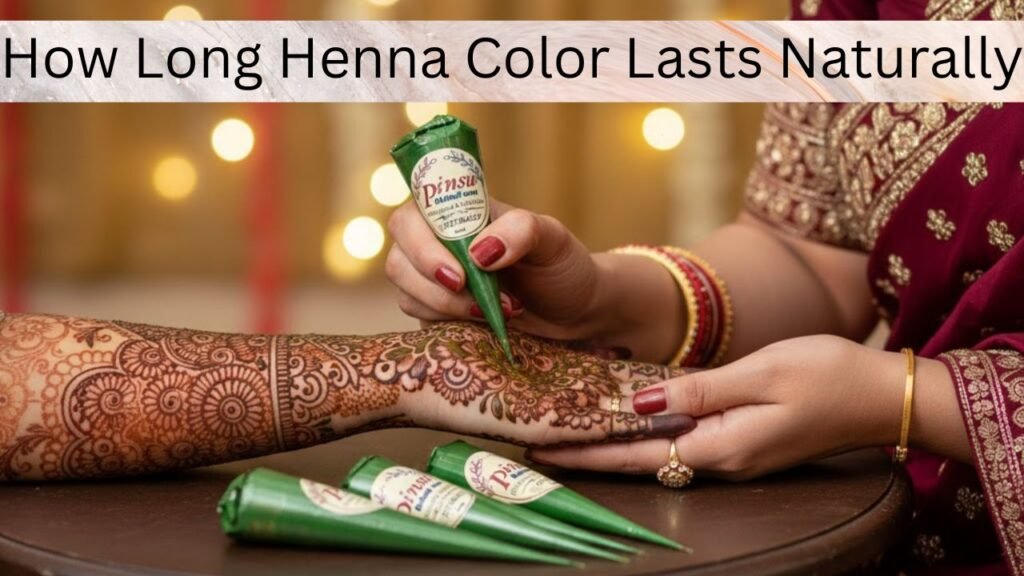
Factor 1: Body Location – Skin Thickness Matters
- High Longevity: Palms & soles (thick skin, slow exfoliation)
- Medium Longevity: Dorsal hands, arms, and neck (moderate exfoliation)
- Low Longevity: Back, chest, face (thin skin, fast turnover)
Tip: Bridal designs targeting palms and soles will naturally last longer.
Inside this Guide:
Factor 2: Paste Quality – Foundation of a Long-Lasting Stain
- Use BAQ henna powder (finely sifted, fresh)
- Mix with warm water or strong tea/coffee for tannins
- Add essential oils (Eucalyptus, Lavender) for optimal lawsone penetration
Why it works: The dye molecule, lawsone, bonds best to clean, exfoliated skin with proper paste chemistry.
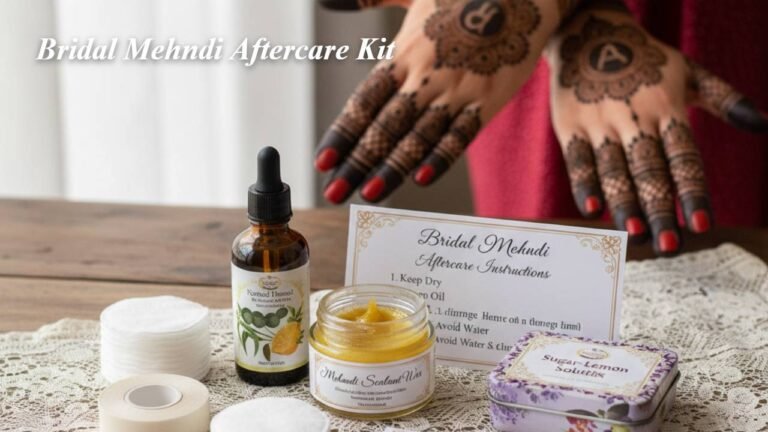
Factor 3: Aftercare – Protect & Moisturize
- Avoid water contact for the first 12–24 hours
- Use Mehndi Stain Balm or natural oils (mustard/sesame)
- Gentle patting instead of rubbing after washing
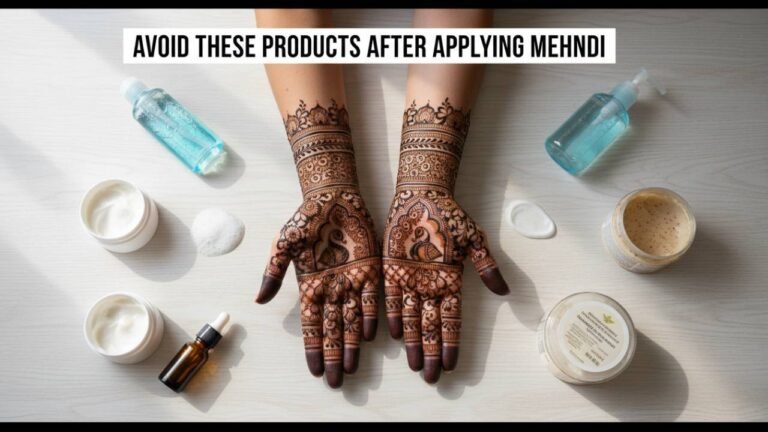
- Avoid chemical exposure (lotions, hand sanitizers, bleaching agents)
Pro Tip: Apply a thin balm layer every 4–6 hours during the first 48 hours for maximum oxidation.
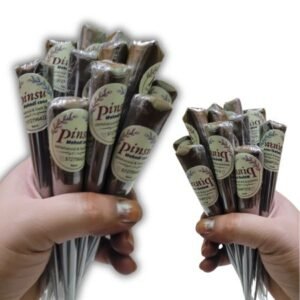
Buy Mehndi Cones Pack of 12 – Natural, Organic & Dark Stain
Factor 4: Friction & External Agents
- Avoid abrasive soaps or scrubs
- Limit exposure to chlorinated water or harsh chemicals
- Minimize friction from clothing or jewelry over freshly stained skin
Why it matters: Physical and chemical exfoliation accelerates fading.
Factor 5: Individual Skin Chemistry (Genetics & Body)
- Skin pH, iron levels, and body temperature naturally affect color
- Some medications or conditions may reduce dye absorption
- Cooler body areas tend to stain lighter
- Managing expectations: Educate clients that genetics influence intensity and longevity
Pro Tips for Maximizing Mehndi Lifespan
- Plan Bridal Mehndi 2–3 days before main event for peak color
- Utilize traditional Clove Smoke Treatment post-scraping to lock in deep mahogany tones
- Keep skin hydrated and protected during the first 48 hours
- Avoid overnight soaking or hot tubs which accelerate fading
Natural Henna Longevity: Expected Duration by Body Location
| Body Location | Typical Duration (Days) | Key Reason |
| Palms & Soles | 10–14+ | Thick skin layers slow exfoliation |
| Top of Hands/Arms | 7–10 | Moderate exposure to washing & friction |
| Back/Neck/Chest | 5–7 | Thin skin and fast cell turnover |
Conclusion
A natural Mehndi stain lasts 7–14 days with proper care. Success depends on paste quality, body location, aftercare, friction avoidance, and skin chemistry.
Pro Tip: To streamline your professional process today, create these three essential templates:
- Client Consultation Checklist – captures design preferences & expectations
- Bridal Booking Contract – includes deposits, cancellation, and Force Majeure clauses
- Post-Care Follow-Up Message – shares aftercare tips and encourages referrals
Consistency, clear communication, and diligent aftercare guidance are the keys to long-lasting, rich Mehndi color and a stellar professional reputation.
More Design Inspiration