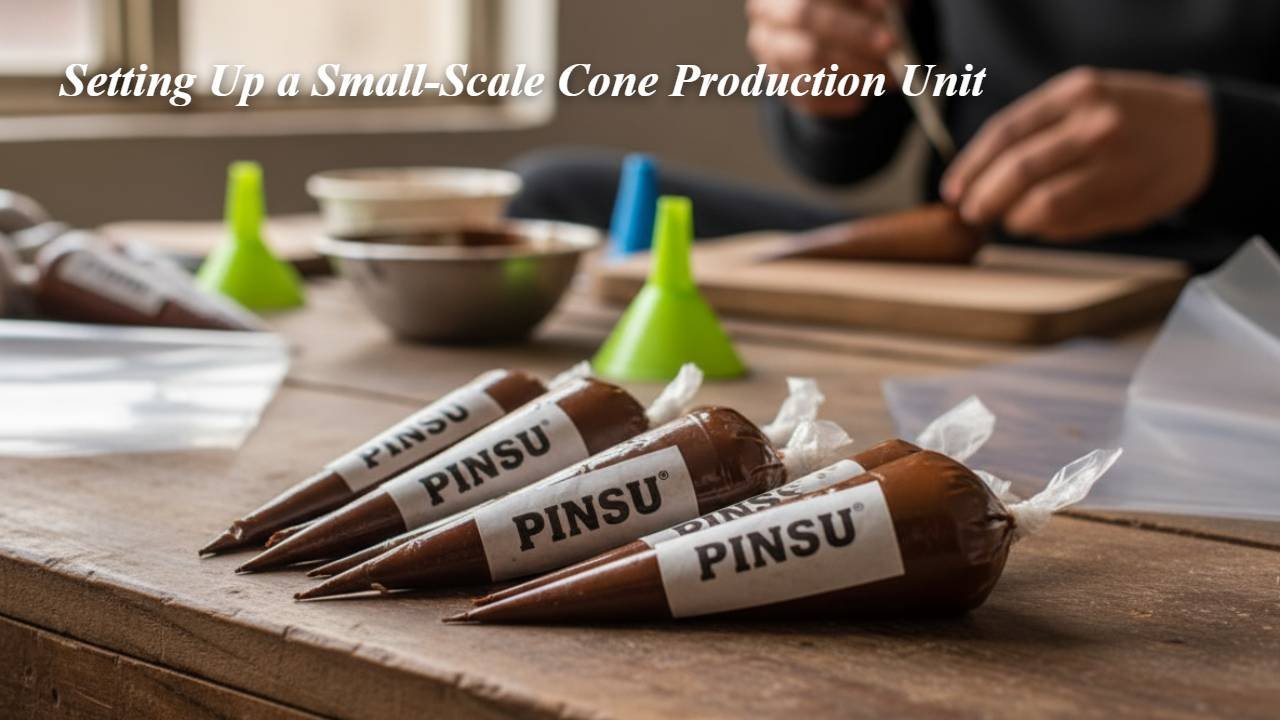
Setting Up a Small-Scale Cone Production Unit is a strategic move for mehndi artists who want to transition from service providers to product suppliers. With growing demand for bridal mehndi, Arabic patterns, festival bookings, and training workshops, reliable cone supply has become essential for both individual artists and bulk distributors.
A structured cone production unit allows you to control quality, reduce material costs, maintain consistency, and generate an additional revenue stream. However, successful setup requires careful planning, equipment selection, workflow design, and quality control systems.
Master this with Professional Cones
The same products used in this guide are available in our shop.
This comprehensive guide explains every technical, operational, financial, and cultural aspect of establishing a small-scale production unit for professional mehndi cones.
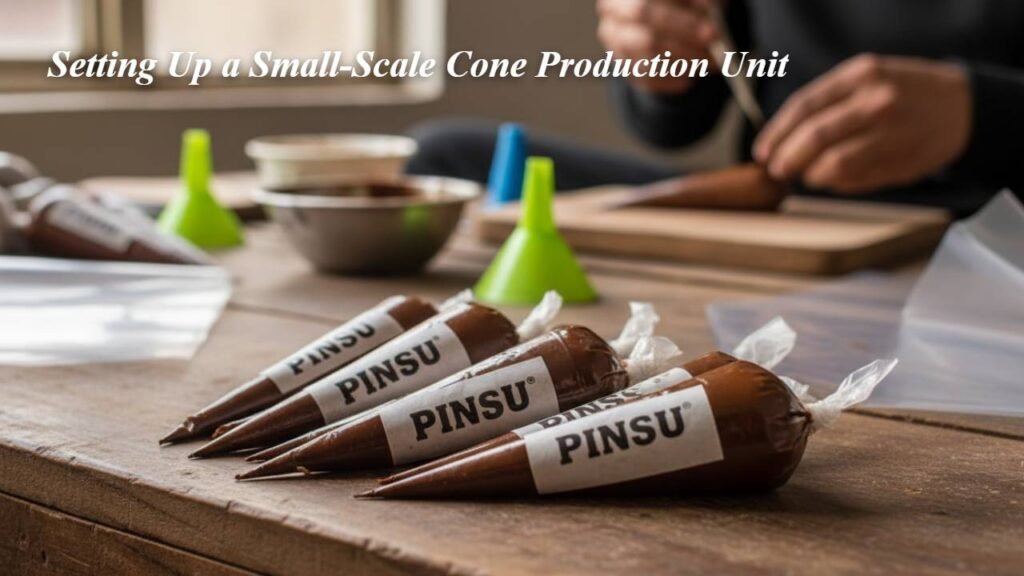
Why Consider Setting Up a Small-Scale Cone Production Unit?
Professional mehndi demand continues to expand due to:
Inside this Guide:
- Increased bridal bookings
- Destination weddings
- Festival seasons
- Corporate events
- Training academies
Artists who produce their own cones gain:
- Cost control
- Quality consistency
- Bulk sales opportunity
- Custom branding
- Reliable supply chain
Strategic production strengthens business independence.
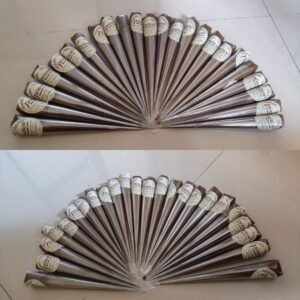
Buy Mehndi Cones Pack of 24 – Natural, Organic & Dark Stain
Market Demand Analysis
Before setting up a small-scale cone production unit, evaluate local and regional demand.
Primary market segments include:
- Bridal mehndi artists
- Arabic design specialists
- Festival event vendors
- Beauty salons
- Mehndi training institutes
Growing social media exposure increases demand for high-quality, ready-to-use cones.
Market research determines production capacity planning.

Buy Mehndi Cones Pack of 12 – Natural, Organic & Dark Stain
Basic Requirements for Setting Up a Small-Scale Cone Production Unit
1. Workspace
You need:
- Clean and ventilated room
- Dry environment
- Adequate lighting
- Organized storage racks
Hygiene is critical because henna paste is a natural product.
Professional setup enhances credibility.
2. Equipment and Tools
Essential equipment includes:
- Sheet cutting tools
- Measuring scales
- Mixing bowls
- Sieve for henna powder
- Sealing tape dispenser
- Storage containers
- Airtight packaging supplies
Initial equipment investment remains moderate.
Raw Materials Required
Sheet Materials
- 30–35 micron cellophane sheets
- Matte or glossy options
- Pre-cut or roll format
Henna Ingredients
- Premium henna powder
- Essential oils (eucalyptus, tea tree)
- Lemon juice
- Sugar
Sealing Materials
- High-adhesive tape
- Rubber bands
- Labels
Quality raw materials define final performance.
Production Process Overview
Step 1: Sheet Preparation
- Cut sheets to standardized size
- Inspect for defects
- Sort by thickness
Uniform sizing ensures consistent cone geometry.
Step 2: Rolling Cones
- Maintain tight rolling tension
- Align seams properly
- Form sharp tip
Cone structure influences line precision.
Step 3: Paste Preparation
- Sift henna powder
- Mix with essential oils
- Add sugar and lemon
- Rest for dye release
Consistency must match design requirements.
Step 4: Filling and Sealing
- Fill measured paste quantity
- Remove air pockets
- Double-fold seal
- Apply strong tape
Structural discipline prevents leakage.
Production Capacity Planning
Capacity depends on team size and automation level.
| Team Size | Daily Production Capacity |
|---|---|
| 1 Person | 200–300 cones |
| 2–3 People | 500–800 cones |
| 4+ People | 1,000+ cones |
Scaling requires workflow optimization.
Setting up a small-scale cone production unit should align with demand forecasts.
Cost Estimation Example
Initial Investment (Approximate)
| Category | Estimated Cost (₹) |
|---|---|
| Equipment | 20,000 |
| Raw Materials (Initial Batch) | 30,000 |
| Workspace Setup | 15,000 |
| Packaging | 10,000 |
| Total | 75,000 |
Costs vary by region and scale.
Operational efficiency improves ROI.
Pricing Strategy
Wholesale pricing must include:
- Material cost
- Labor cost
- Packaging cost
- Distribution cost
- Margin
Example:
If total cost per cone = ₹10
Wholesale price = ₹15–₹18
Sustainable margins support business growth.
Quality Control System
Setting up a small-scale cone production unit requires structured testing.
Implement:
- Micron thickness checks
- Seam strength testing
- Pressure flow testing
- Random sample inspection
- Storage condition monitoring
Quality consistency builds brand reputation.
Branding and Packaging
Professional packaging enhances market value.
Include:
- Brand logo
- Expiry date
- Batch number
- Usage instructions
Custom branding increases perceived value.
Visual identity supports premium positioning.
Hygiene and Safety Standards
Henna paste is applied directly to skin.
Maintain:
- Clean gloves
- Sanitized workspace
- Fresh ingredient rotation
- Temperature-controlled storage
Hygiene builds customer trust.
Distribution Channels
After setting up a small-scale cone production unit, identify sales channels.
Options include:
- Direct supply to artists
- Bridal event partnerships
- Beauty salons
- Online marketplaces
- Social media marketing
Diversified channels reduce risk.
Cultural and Artistic Relevance
Mehndi reflects deep cultural heritage.
Bridal mehndi symbolizes blessing and celebration.
Arabic patterns emphasize flowing floral elegance.
High-quality cones preserve line precision and stain richness.
Production responsibility includes honoring artistic tradition.
Scaling Opportunities
Once stable, expansion options include:
- Premium bridal cone line
- Organic eco-friendly variants
- International exports
- Training kits
- Franchise partnerships
Strategic planning transforms small unit into scalable enterprise.
Common Challenges and Solutions
| Challenge | Solution |
|---|---|
| Paste inconsistency | Standardize recipe |
| Leakage complaints | Improve sealing |
| Demand spikes | Maintain safety stock |
| Quality variation | Batch testing |
Proactive management prevents disruption.
Legal and Compliance Considerations
Depending on region:
- Register small business
- Follow cosmetic regulations
- Ensure labeling compliance
- Maintain tax documentation
Compliance strengthens credibility.
Long-Term Business Benefits
Artists who master setting up a small-scale cone production unit gain:
- Higher profit margins
- Supply independence
- Brand authority
- Wholesale opportunities
- Scalable revenue
Business diversification enhances financial stability.
Frequently Asked Questions
1. How much investment is required to start small-scale production?
Basic setup can begin with moderate investment depending on production capacity.
2. Can I start production from home?
Yes, provided hygiene and ventilation standards are maintained.
3. How do I maintain consistent cone quality?
Implement structured testing and standardized production processes.
4. Is wholesale selling more profitable than retail?
Wholesale provides volume stability, while retail offers higher margins.
5. How do I handle seasonal demand spikes?
Forecast demand early and build inventory before peak wedding seasons.
Final Thoughts
Setting Up a Small-Scale Cone Production Unit transforms a mehndi practice into a scalable business model. With structured planning, quality control, and market awareness, artists can secure consistent supply, protect creative standards, and expand revenue streams.
Professional cone production combines craftsmanship with operational discipline. Build carefully, test consistently, and position your brand as a reliable supplier trusted by bridal artists, Arabic design specialists, and mehndi professionals across the market.
More Design Inspiration