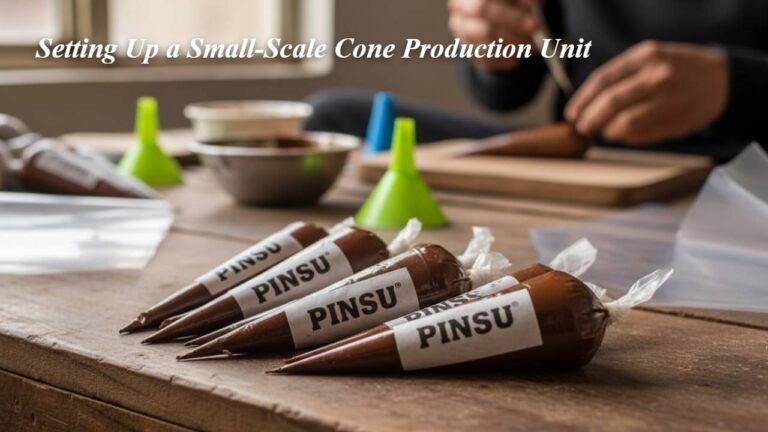
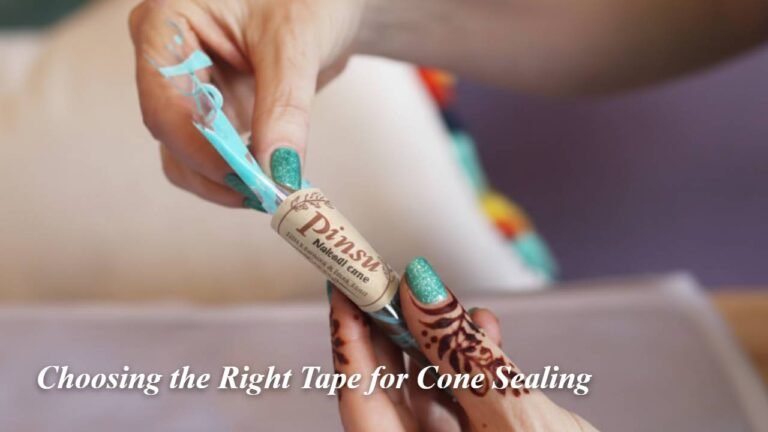
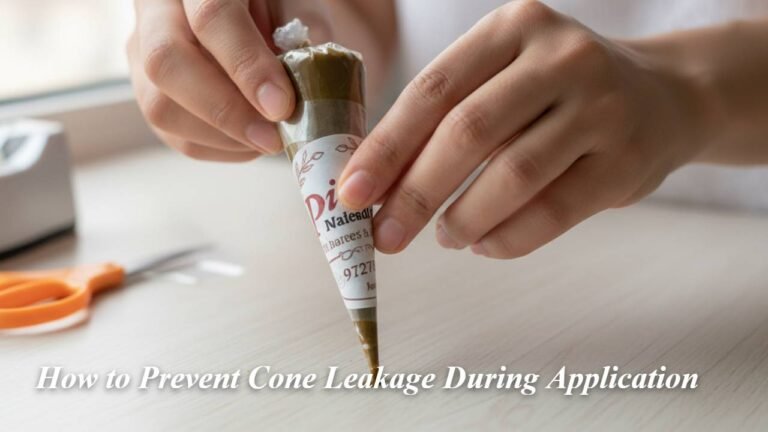
Sheet Quality Testing Method for Artists is a crucial technical skill for every serious mehndi professional. Many artists purchase cone sheets based on price, availability, or supplier recommendation without performing structured quality checks. However, poor sheet quality directly affects cone rolling tension, seam strength, pressure stability, and ultimately line precision.
From bridal mehndi with intricate jaali meshwork to bold Arabic patterns and modern minimalist designs, sheet performance determines whether your lines appear crisp or unstable. A systematic testing method protects your artistry, reduces waste, and strengthens professional consistency.
Master this with Professional Cones
The same products used in this guide are available in our shop.
This comprehensive guide explains how to test cone sheet quality step-by-step, evaluate performance standards, and make confident bulk purchasing decisions.
Why Sheet Quality Testing Matters
Cone sheets form the structural foundation of every mehndi cone.
Inside this Guide:
Low-quality sheets cause:
- Weak seam alignment
- Air bubble formation
- Sudden paste bursts
- Tip distortion
- Leakage during application
Professional artists cannot afford mechanical failure during bridal bookings. Testing before large-scale use prevents disappointment and protects client trust.
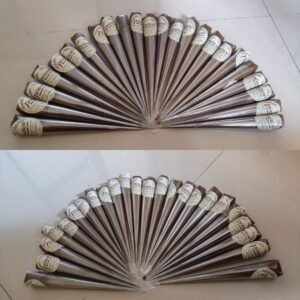
Buy Mehndi Cones Pack of 24 – Natural, Organic & Dark Stain
Quality control reflects artistic discipline.
Understanding the Key Performance Factors
Before implementing a Sheet Quality Testing Method for Artists, understand what defines high-quality material.
Primary evaluation criteria include:
- Micron thickness
- Flexibility
- Tear resistance
- Transparency
- Surface texture
- Seam compatibility
- Adhesive response
Each factor influences final cone behavior.

Buy Mehndi Cones Pack of 12 – Natural, Organic & Dark Stain
Sheet Quality Testing Method for Artists – Step 1: Visual Inspection
Start with basic visual analysis.
Check for:
- Uniform thickness
- Smooth surface
- No visible wrinkles
- No micro tears
- Consistent transparency
Cloudy or uneven sheets often indicate inconsistent production quality.
Visual clarity supports precise filling and air detection.
Sheet Quality Testing Method for Artists – Step 2: Thickness Verification
Micron thickness determines structural balance.
Thickness Testing Guide
| Thickness Range | Expected Behavior | Recommended Use |
|---|---|---|
| 20–25 µm | Very flexible | Fine bridal detailing |
| 30–35 µm | Balanced | General professional use |
| 40–50 µm | Firm | Bold Arabic patterns |
If sheets feel overly flimsy or rigid, performance may suffer.
Consistency in thickness ensures predictable rolling.
Sheet Quality Testing Method for Artists – Step 3: Rolling Test
Roll a sample cone without paste.
Observe:
- Ease of folding
- Seam alignment
- Tip sharpness
- Surface friction
High-quality sheets roll tightly without resistance.
Poor sheets wrinkle or slip unevenly.
Rolling precision determines internal channel stability.
Step 4: Tear Resistance Test
Gently stretch the sheet diagonally.
Evaluate:
- Elastic response
- Tear threshold
- Edge strength
Sheets that tear easily under minimal tension will fail during long bridal sessions.
Durability protects pressure stability.
Step 5: Seam Strength Evaluation
Seal a test cone using your standard tape.
Apply moderate pressure.
Check for:
- Tape adhesion
- Seam splitting
- Edge lifting
A strong sheet supports firm adhesive bonding.
Weak sheets reduce sealing reliability.
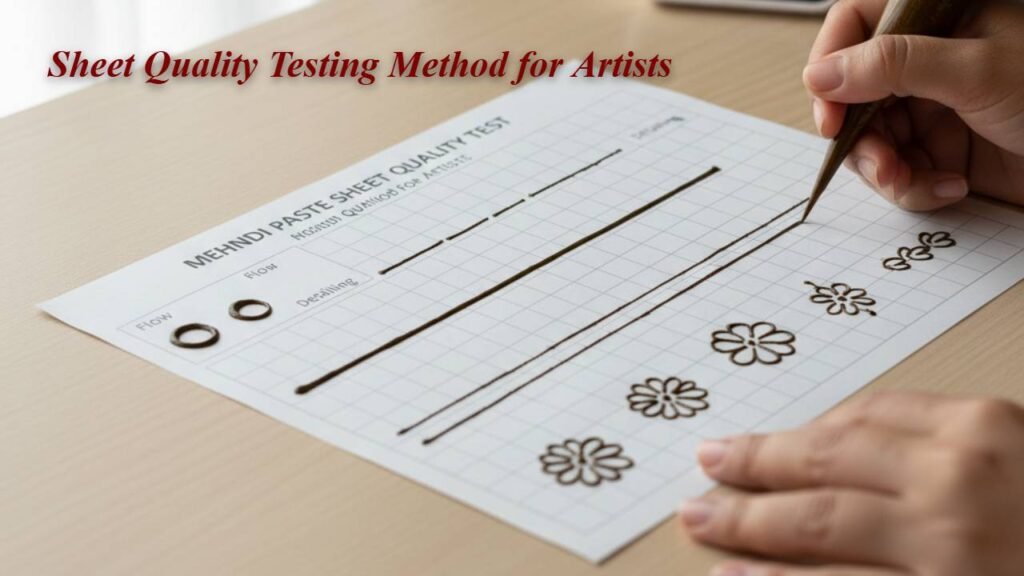
Step 6: Paste-Filled Pressure Test
Fill test cone with henna paste.
Draw:
- Straight lines
- Mandala circles
- Paisley curves
- Arabic floral strokes
Observe flow consistency.
Sheet performance becomes evident under pressure.
Consistent flow confirms quality.
Comparison Table – Pass vs Fail Indicators
| Test Criteria | High-Quality Sheet | Low-Quality Sheet |
|---|---|---|
| Rolling Behavior | Smooth & tight | Wrinkled |
| Tear Resistance | Strong | Weak |
| Seam Stability | Secure | Splits |
| Flow Response | Balanced | Burst-prone |
| Transparency | Clear | Cloudy |
Objective testing removes guesswork.
Sheet Quality Testing Method for Artists in Bridal Mehndi
Bridal mehndi requires ultra-fine line control.
During testing:
- Use micro tip cut
- Perform jaali mesh test
- Create small mandala grids
Any flow instability becomes immediately visible.
Precision determines client satisfaction.
Sheet Quality Testing Method for Artists in Arabic Designs
Arabic designs emphasize bold strokes and rhythmic movement.
During testing:
- Draw long diagonal lines
- Create large floral petals
- Apply continuous pressure
Sheet must maintain structural strength.
Smooth glide indicates reliability.
Environmental Stress Testing
Humidity and heat affect sheet behavior.
Test sheets in:
- Room temperature
- Humid conditions
- Slightly warm environment
Observe:
- Softening response
- Curling tendency
- Adhesive performance
Climate resilience ensures professional consistency.
Bulk Purchase Evaluation Strategy
Before committing to large orders:
- Request sample batch
- Perform complete testing
- Compare multiple suppliers
- Evaluate consistency across sheets
- Calculate rejection rate
Structured evaluation prevents financial loss.
Cultural and Artistic Responsibility
Mehndi art carries centuries of tradition.
Rajasthani bridal work demands dense detailing.
Gujarati designs emphasize symmetry.
Pakistani jaali patterns require fine mesh precision.
Arabic florals require fluid movement.
Sheet reliability preserves cultural aesthetics.
Testing reflects respect for craft.
Cost vs Performance Balance
Low-cost sheets may appear attractive.
However:
- Higher rejection rate increases waste
- Flow inconsistency wastes paste
- Leakage damages professional reputation
Investing in quality reduces long-term expenses.
Reliable performance supports premium pricing.
Inventory Quality Control System
Professional artists should implement:
- Monthly sheet inspection
- Random sample testing
- Supplier performance tracking
- Thickness labeling
- Storage monitoring
Systematic control enhances consistency.
Advanced Professional Tip
Maintain a testing log.
Record:
- Supplier name
- Thickness
- Test results
- Performance notes
- Climate observations
Data-driven decisions improve procurement accuracy.
Long-Term Benefits of Structured Testing
Artists who master Sheet Quality Testing Method for Artists achieve:
- Fewer mechanical failures
- Cleaner bridal portfolios
- Faster execution speed
- Stronger supplier negotiation
- Increased client trust
Technical discipline supports artistic excellence.
Frequently Asked Questions
1. How often should I test new sheet batches?
Test every new supplier batch before large-scale usage.
2. Is thickness the most important factor?
Thickness is critical, but flexibility and seam strength are equally important.
3. Can I skip testing if supplier is trusted?
Periodic testing ensures consistency even with trusted suppliers.
4. Does sheet quality affect stain darkness?
Indirectly. Stable flow ensures consistent paste placement, which influences stain quality.
5. What is the ideal thickness for most professionals?
30–35 micron sheets provide balanced performance for bridal and Arabic designs.
Final Thoughts
Sheet Quality Testing Method for Artists transforms cone preparation from guesswork into precision engineering. Structural integrity at the sheet level determines rolling stability, pressure control, and line accuracy.
Bridal mehndi, Arabic patterns, and cultural detailing demand mechanical reliability behind the scenes. Implement a consistent testing protocol, document results, and elevate your mehndi artistry with materials that perform flawlessly under pressure.
More Design Inspiration