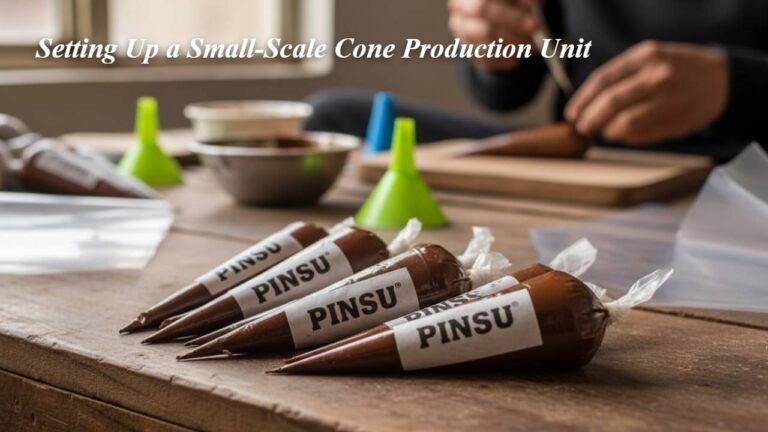
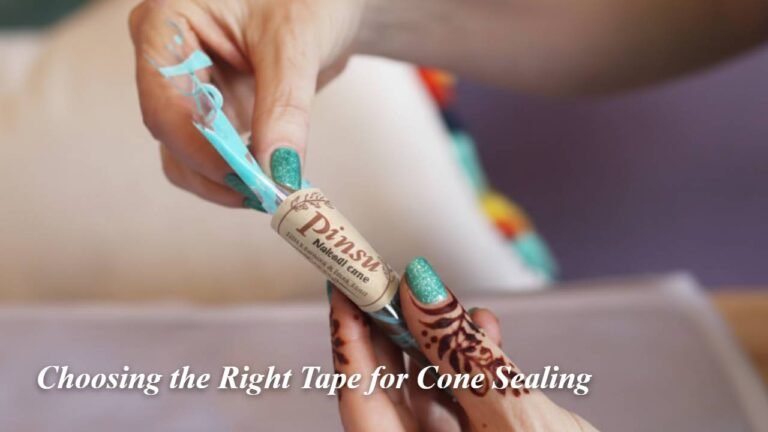
Sheet thickness affects mehndi flow in ways that directly influence line precision, stain consistency, and overall design control. Many artists focus only on henna powder quality or essential oils. Few analyze the cone material itself. That oversight leads to uneven lines, cone bursts, and artist fatigue.
Professional mehndi application depends on controlled pressure. The plastic sheet forming the cone determines how smoothly paste travels from base to tip. Once you understand how sheet thickness affects mehndi flow, you gain complete control over detailing, symmetry, and design clarity.
Master this with Professional Cones
The same products used in this guide are available in our shop.
Let’s break this down technically, culturally, and practically.

Why Sheet Thickness Is Critical in Mehndi Cone Performance
A mehndi cone functions like a pressure-regulated piping tool. The sheet forms its structural body. Thickness controls:
Inside this Guide:
- Elasticity under pressure
- Resistance to collapse
- Flow speed
- Tip stability
- Hand comfort during long sessions
If sheet thickness affects mehndi flow negatively, several issues appear:
- Paste bursts unexpectedly
- Lines vary in width
- Fine detailing becomes difficult
- Cone tips bend mid-pattern
- Hands tire quickly
These problems intensify during bridal mehndi, where density and precision matter most.
Buy Mehndi Cones Pack of 24 – Natural, Organic & Dark Stain
Understanding Cone Sheet Thickness (Micron Guide)
Manufacturers measure plastic sheets in microns (µm). Even small differences significantly impact performance.
Common Thickness Categories
| Thickness (Microns) | Flexibility | Best For | Risk Level |
|---|---|---|---|
| 25–30 µm | Very soft | Practice cones | High tear risk |
| 35–40 µm | Flexible | Arabic mehndi | Moderate control |
| 45–50 µm | Balanced | Bridal mehndi | Ideal |
| 60+ µm | Rigid | Bold outlines | Reduced fine control |
Professional artists often prefer 45–50 microns. This range offers structural stability without sacrificing squeeze comfort.
How Sheet Thickness Affects Mehndi Flow in Fine Detailing
Fine detailing defines modern bridal mehndi and intricate Indian styles. Jaali patterns, mandalas, lace grids, and micro paisleys require steady flow.
When sheet thickness affects mehndi flow in fine work, three mechanical shifts occur:
Buy Mehndi Cones Pack of 24 – Natural, Organic & Dark Stain
1. Pressure Amplification
Thin sheets expand when squeezed. Expansion increases internal pressure suddenly. Paste releases unevenly.
2. Structural Instability
Excess flexibility weakens the cone tip. Micro-movements distort lines.
3. Flow Variation
Elastic sheets change compression mid-design. Artists constantly adjust grip strength.
Balanced sheets maintain consistent internal pressure. Lines remain sharp and symmetrical.
Bridal Mehndi: Why Thickness Matters Most
Bridal mehndi carries deep cultural symbolism across India and South Asia. Designs represent prosperity, union, and spiritual blessing. Density and symmetry define its elegance.
Bridal designs often include:
- Dulha–Dulhan portraits
- Peacock motifs
- Mandala symmetry
- Lotus patterns
- Intricate jaali mesh
- Mughal-inspired architecture elements
Each element demands micro-control.
Performance Comparison in Bridal Sessions
| Factor | Thin Sheet | Balanced Sheet | Thick Sheet |
|---|---|---|---|
| Line precision | Unstable | Excellent | Slightly rigid |
| Flow control | Burst-prone | Controlled | Slow |
| Artist fatigue | High | Low | Moderate |
| Long-session durability | Weak | Strong | Strong |
Balanced thickness supports long bridal sessions without compromising detail.
Arabic Patterns vs Indian Bridal Work
Arabic mehndi features bold florals and spaced motifs. Indian bridal designs use dense layering.
Arabic Mehndi Needs
- Faster flow
- Bold strokes
- Moderate detailing
- Smooth curves
Flexible sheets sometimes work well here.
Indian Bridal Needs
- Ultra-fine detailing
- Consistent micro-lines
- Dense fill patterns
- Extended session endurance
Balanced sheets outperform both ultra-thin and overly rigid materials.
Understanding how sheet thickness affects mehndi flow allows artists to match material with style.
The Flow Science Behind Mehndi Cones
Henna paste behaves as a semi-viscous material. Its movement depends on:
- Applied pressure
- Tip diameter
- Paste consistency
- Sheet elasticity
Thin sheets stretch under pressure. Stretching alters internal compression. Flow becomes inconsistent.
Thicker sheets resist expansion. Pressure remains stable. Output stays predictable.
Think of it as piping frosting through different piping bags. Structure defines precision.
Paste Consistency and Sheet Thickness Compatibility
Even premium organic henna cannot compensate for wrong cone material.
Compatibility Table
| Paste Type | Ideal Sheet Thickness | Why |
|---|---|---|
| Runny paste | 50–60 µm | Prevents burst flow |
| Medium consistency | 45–50 µm | Balanced performance |
| Thick paste | 35–45 µm | Easier squeeze control |
Mismatch between paste and sheet causes clogging or uncontrolled output.
Common Mistakes Artists Make
Experience does not eliminate material errors.
Frequent issues include:
- Choosing ultra-thin sheets for comfort
- Using rigid sheets for fine bridal mesh
- Ignoring paste-sheet compatibility
- Storing cones in high heat
Recognizing how sheet thickness affects mehndi flow prevents these avoidable mistakes.
Long Session Ergonomics and Hand Health
Professional artists apply mehndi for hours. Poor sheet selection increases wrist and finger strain.
Thin sheets demand constant grip correction. Thick sheets require forceful squeezing.
Balanced thickness:
- Reduces hand fatigue
- Improves steady control
- Supports consistent detailing
- Maintains design symmetry
Ergonomic efficiency directly influences artistic consistency.
Storage Conditions and Flow Behavior
Environmental conditions change sheet performance. Heat softens thin sheets further. Flow becomes unstable.
Cold temperatures stiffen thick sheets. Flow slows significantly.
Best storage practices:
- Keep cones in moderate temperature
- Avoid direct sunlight
- Store in sealed packaging
- Maintain consistent humidity
Stable storage preserves predictable performance.
Regional Style Considerations
Different regional mehndi traditions influence thickness preference.
Rajasthani Style
Heavy detailing demands balanced sheet stability.
Gujarati Bridal Work
Dense symmetry requires precision control.
Pakistani Bridal Mehndi
Complex storytelling motifs require uninterrupted fine flow.
Gulf Arabic Designs
Bold strokes may tolerate slightly flexible sheets.
Professional artists adapt material to regional technique demands.
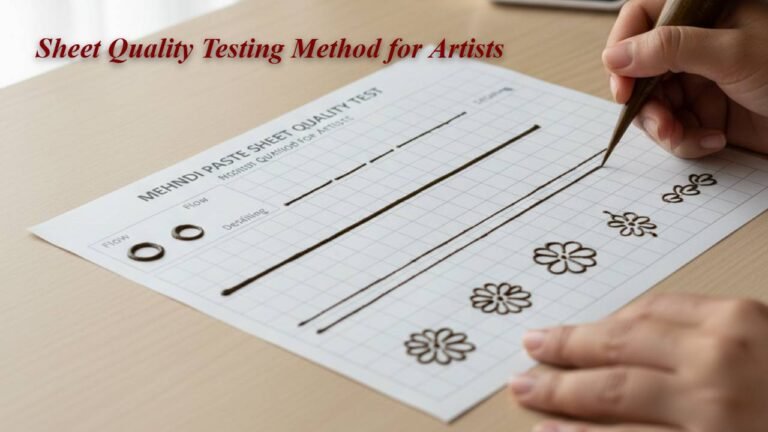
Testing Sheet Thickness Before Professional Use
Never assume manufacturer claims guarantee quality.
Follow this quick evaluation:
- Roll empty cone and apply light pressure.
- Check for structural collapse.
- Fill with small paste portion.
- Draw straight controlled lines.
- Observe line width consistency.
If flow fluctuates without pressure change, sheet quality may be inconsistent.
Testing ensures reliability during high-stakes bridal events.
Professional Recommendation for Premium Organic Cones
For serious artists building brand authority:
- Use 45–50 micron sheets
- Pair with finely sifted henna powder
- Maintain medium paste consistency
- Ensure airtight storage
- Trim tip precisely
This combination delivers optimal flow control and deep stain clarity.
Premium cone quality reflects directly in client satisfaction and reputation growth.
Frequently Asked Questions (FAQ)
1. What is the ideal sheet thickness for bridal mehndi?
Most professionals prefer 45–50 microns because it balances flexibility and structural stability.
2. Can thin sheets improve fine line detailing?
Thin sheets may feel softer but often cause pressure bursts and inconsistent lines.
3. Does sheet thickness affect stain quality?
Indirectly yes. Uneven flow affects paste placement, which influences stain depth and clarity.
4. Should Arabic mehndi use different thickness than bridal?
Arabic designs may tolerate slightly thinner sheets due to bold strokes, but balance remains safest.
5. How do I know if my cone sheet is too thick?
If you struggle to squeeze paste smoothly and fine detailing feels stiff, the sheet may be overly rigid.
Final Thoughts
Sheet thickness affects mehndi flow more than most artists acknowledge. Material selection directly impacts precision, comfort, and cultural design integrity. Professional mehndi application demands understanding not only paste formulation but also structural mechanics.
Artists who master this detail elevate their bridal mehndi, Arabic patterns, and regional designs to a truly professional standard. Explore premium cone materials and experience how the right sheet thickness transforms your mehndi artistry.
More Design Inspiration