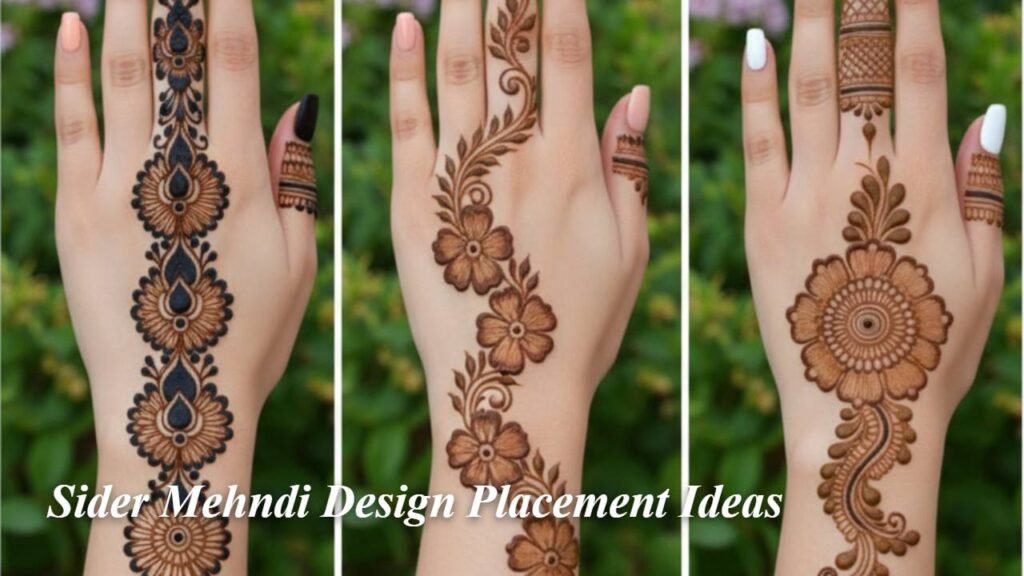
Sider Mehndi Design Placement Ideas play a crucial role in balancing bridal aesthetics during a wedding ceremony. While the bride receives heavy, intricate bridal mehndi, sider mehndi is designed for sisters, cousins, and close relatives who participate in the ritual. The placement must complement the bride without overpowering her look.
Many families focus only on pattern style. However, placement determines visual harmony, comfort, time efficiency, and overall ceremony coordination. This comprehensive guide explains where to place sider mehndi designs, how to match them with wedding themes, and how to maintain aesthetic balance.
Master this with Professional Cones
The same products used in this guide are available in our shop.
Let us explore professional placement strategies in detail.
Understanding the Role of Sider Mehndi in Weddings
Sider mehndi is applied to women closely associated with the bride. These include:
Inside this Guide:
- Sisters
- Cousins
- Close friends
- Female relatives
Unlike bridal mehndi, sider designs are lighter and faster. However, strategic placement ensures elegance.
Sider mehndi symbolizes:

Buy Mehndi Cones Pack of 12 – Natural, Organic & Dark Stain
- Unity
- Celebration
- Family bonding
- Support for the bride
Thoughtful Sider Mehndi Design Placement Ideas ensure the bride remains the focal point while others enhance the visual theme.
Core Principles Behind Sider Mehndi Placement
Before selecting patterns, understand three essential principles.
1. Visual Hierarchy
Bridal mehndi should always appear denser and more elaborate.
Sider placement must remain:
Buy Mehndi Cones Pack of 24 – Natural, Organic & Dark Stain
- Balanced
- Elegant
- Moderate in coverage
2. Comfort & Time Efficiency
Sider mehndi sessions are shorter. Placement must allow quick execution.
3. Wedding Theme Coordination
Design zones should complement:
- Bridal outfit
- Jewelry
- Photography angles
- Cultural traditions
Professional placement planning enhances ceremony aesthetics.
Top Hand Placement Ideas for Sider Mehndi
Palm-Centered Mandala
The palm is the most popular placement for sider mehndi.
Why It Works
- Quick application
- Clean symmetry
- Elegant minimal coverage
Mandala placement suits both traditional and modern weddings.
Best For
- Minimal ceremonies
- Modern bridal themes
- Short time frames
Palm-centered placement remains one of the most versatile Sider Mehndi Design Placement Ideas.
Half-Hand Front Coverage
Half-hand placement extends from fingers to mid-palm.
Features
- Arabic vines
- Floral trails
- Negative space balance
This placement offers more detailing without competing with bridal density.
Ideal Situations
- Grand wedding décor
- Coordinated outfit themes
- Evening mehndi ceremonies
Wrist Band Placement
Wrist placement resembles a henna bracelet.
Advantages
- Subtle elegance
- Jewelry complement
- Easy to apply
Wrist bands are especially popular when heavy bangles are worn.
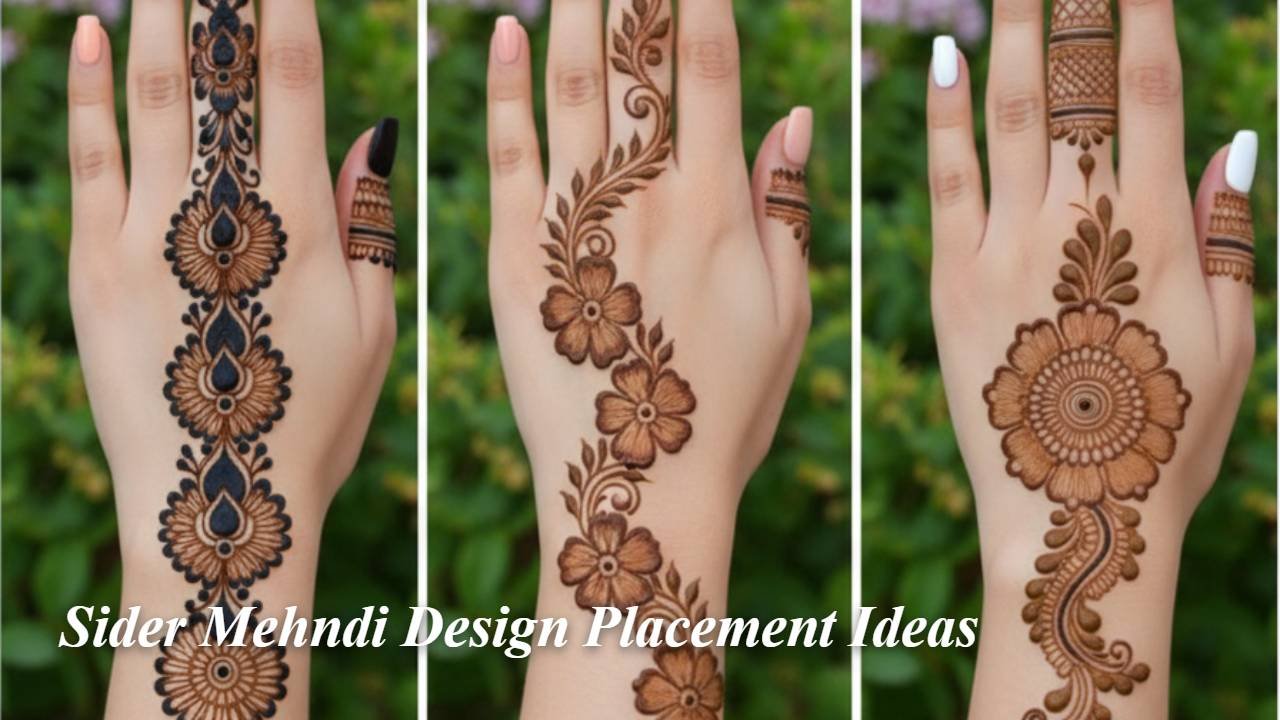
Back-of-Hand Arabic Flow
The back of the hand is highly visible in photography.
Benefits
- Highlights rings and jewelry
- Maintains moderate coverage
- Works beautifully in group photos
Arabic-style patterns dominate this placement category.
Back-of-hand detailing is among the most requested Sider Mehndi Design Placement Ideas.
Finger-Focused Placement
Minimalist weddings often prefer fingertip emphasis.
Placement Types
- Detailed finger caps
- Ring finger accent
- Geometric bands
Finger-focused designs add elegance without covering the full palm.
Side-Hand Edge Placement
This modern placement follows the edge of the hand from pinky finger to wrist.
Design Flow
- Curved vine structure
- Diagonal floral movement
- Balanced negative space
Side-hand placement creates a sleek contemporary look.
Foot Placement Ideas for Sider Mehndi
While hands dominate, foot designs add cohesive styling.
Ankle Bracelet Style
Ankle henna mimics jewelry.
Features
- Floral chain
- Minimal paisley accents
- Light shading
Perfect for open-toe footwear.
Toe Accent Placement
Small toe motifs provide subtle beauty.
Suitable For
- Intimate ceremonies
- Bridesmaid coordination
- Quick application
Toe placement keeps the focus on the bride.
Placement Comparison Table
| Placement Area | Coverage Level | Time Required | Best Style |
|---|---|---|---|
| Palm Mandala | Light | 20–30 min | Traditional |
| Half-Hand | Medium | 30–45 min | Fusion |
| Wrist Band | Light | 15–20 min | Minimal |
| Back-of-Hand | Medium | 25–40 min | Arabic |
| Ankle | Light | 20–30 min | Jewelry Style |
| Side-Hand | Medium | 30–45 min | Modern |
This structured comparison simplifies decision-making.
Matching Sider Placement With Bridal Style
Coordination enhances wedding visuals.
If Bride Has Heavy Traditional Mehndi
Choose:
- Palm mandalas
- Wrist bands
- Minimal Arabic vines
If Bride Chooses Minimal Bridal Mehndi
You may select:
- Half-hand placement
- Back-of-hand detailing
- Moderate density
Balance is the key principle behind effective Sider Mehndi Design Placement Ideas.
Regional Influences on Placement
Different regions emphasize varied placement preferences.
Gujarati Weddings
- Paisley-heavy palm designs
- Balanced symmetry
- Moderate finger filling
Rajasthani Weddings
- Structured half-hand panels
- Dense floral accents
- Traditional motifs
Punjabi Weddings
- Bold back-of-hand Arabic
- Ring finger focus
- Vibrant patterns
South Indian Weddings
- Minimal ankle designs
- Clean mandalas
- Light floral geometry
Cultural awareness strengthens placement authenticity.
Technical Factors Affecting Placement Decisions
Professional artists consider:
- Skin tone contrast
- Outfit sleeve length
- Jewelry scale
- Photography lighting
- Time availability
Placement must align with practical wedding logistics.
Time Management for Sider Mehndi
Sider mehndi often occurs alongside bridal application.
To ensure smooth scheduling:
- Assign multiple artists
- Prioritize close relatives first
- Limit per-person time
- Avoid overcrowding
Well-managed sessions maintain ceremony flow.
Mistakes to Avoid in Sider Mehndi Placement
Avoid these common errors:
- Overcrowding full hands
- Matching bridal density
- Ignoring sleeve length
- Choosing complex portraits
- Overlapping jewelry zones
Sider mehndi should enhance, not dominate.
Design Density vs Placement Impact
Density affects visual balance.
Light Density
- Faster execution
- Elegant finish
- Ideal for group photos
Medium Density
- Richer detailing
- Balanced complexity
- Suitable for close relatives
Heavy density should remain exclusive to the bride.
Photography Considerations
Placement influences wedding album aesthetics.
Back-of-hand and wrist designs appear clearly in:
- Group portraits
- Haldi ceremony shots
- Candid dancing moments
Palm-only designs shine during close-up captures.
Understanding visual exposure improves Sider Mehndi Design Placement Ideas planning.
Premium Cone Quality & Placement Precision
Fine placement requires smooth cone flow.
Premium organic cones ensure:
- Crisp line edges
- Consistent shading
- No clogging
- Long-lasting stain
Poor-quality paste disrupts even simple placements.
Modern Trends in Sider Placement
Current trends include:
- Negative space geometry
- Micro-mandala accents
- Bracelet-style symmetry
- Coordinated bridesmaid patterns
Modern styling focuses on elegance over heaviness.
Step-by-Step Placement Planning Guide
Follow this structured approach:
- Evaluate bridal mehndi density.
- Assess wedding outfit sleeves.
- Decide coverage level.
- Allocate time per person.
- Coordinate jewelry placement.
- Confirm photography priorities.
Structured planning prevents imbalance.
Why Placement Matters More Than Pattern Complexity
Complex patterns placed incorrectly lose impact.
Correct placement:
- Enhances posture
- Complements outfit
- Maintains hierarchy
- Improves comfort
Strategic Sider Mehndi Design Placement Ideas create harmony across the ceremony.
Frequently Asked Questions
1. Should sider mehndi match bridal design?
It should complement, not replicate.
2. What is the quickest sider mehndi placement?
Wrist bands and palm mandalas require minimal time.
3. Can sider mehndi include portraits?
It is not recommended. Portraits are best reserved for the bride.
4. Is back-of-hand placement better for photography?
Yes. It remains highly visible in candid shots.
5. How long does sider mehndi usually take?
Average time ranges from 20 to 45 minutes per person.
Final Thoughts
Sider Mehndi Design Placement Ideas shape the visual harmony of a wedding ceremony. Thoughtful placement enhances group aesthetics while preserving the bride’s central spotlight. By considering density, cultural traditions, photography angles, and time efficiency, you create elegant and coordinated results.
Choose experienced artists and premium bridal cones to ensure flawless application and lasting stain. Explore professional mehndi solutions designed to elevate every wedding celebration with precision and grace.
More Design Inspiration