Why Mehndi Looks Orange First is one of the most common questions clients ask right after scraping off dried henna paste. Brides panic. Beginners assume something went wrong. Even experienced artists sometimes struggle to explain the science clearly.
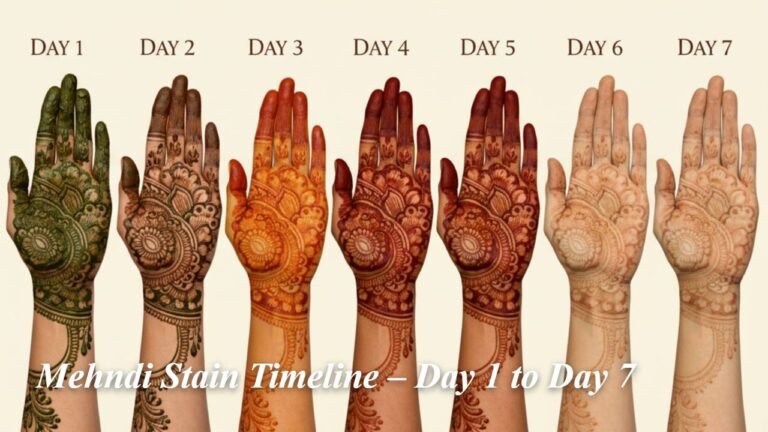
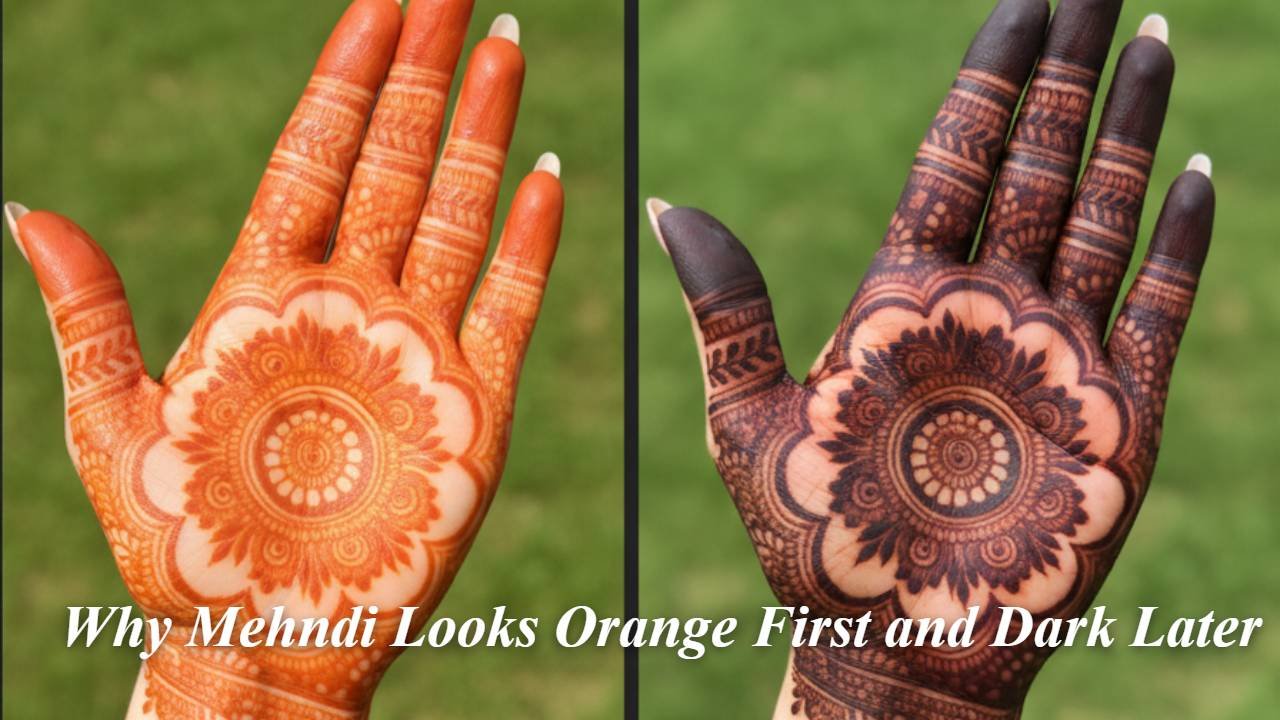
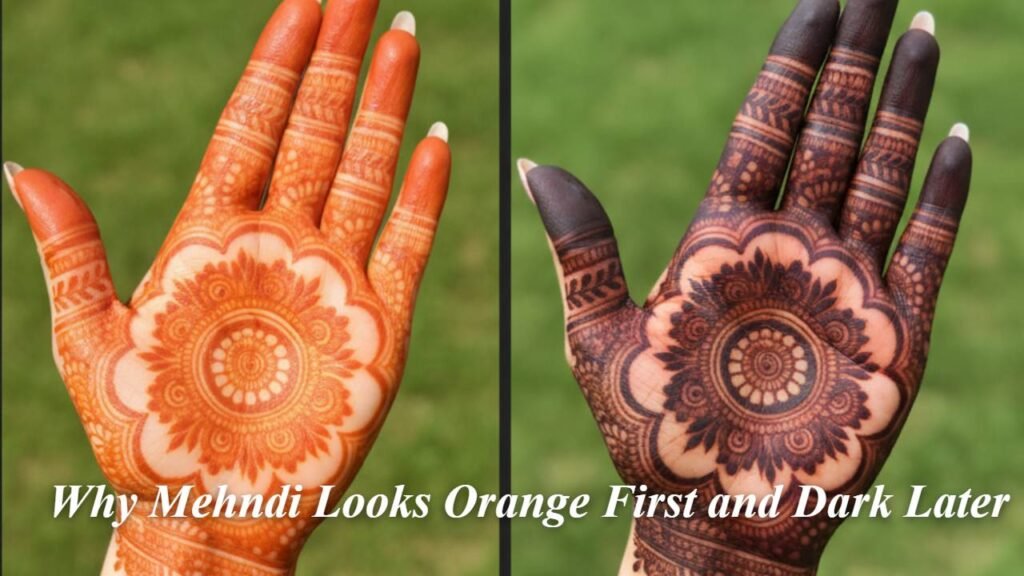
Freshly removed mehndi almost always appears bright orange. Within 24 to 48 hours, that same design deepens into rich reddish-brown or dark chocolate tones. This transformation is not random. It follows a precise chemical and biological process involving dye release, oxidation, keratin binding, and environmental factors.
Master this with Professional Cones
The same products used in this guide are available in our shop.
Understanding this color journey builds technical confidence and strengthens professional authority in mehndi artistry. Let’s break down the science, cultural beliefs, and application techniques that explain why the stain evolves over time.
The Science Behind Why Mehndi Looks Orange First
The answer to Why Mehndi Looks Orange First lies in the chemistry of henna leaves. Henna contains a natural dye molecule called lawsone. When henna paste sits on the skin, lawsone migrates into the upper skin layer and binds with keratin proteins.
Inside this Guide:
At the moment you remove dried paste:
- The dye has partially bonded.
- Oxidation is still incomplete.
- The stain remains in its early stage.
Fresh binding produces a bright orange tone. Oxygen exposure then triggers gradual darkening.
Buy Mehndi Cones Pack of 24 – Natural, Organic & Dark Stain
The Three-Stage Color Development Process
| Stage | Time Frame | Color Appearance | What Happens |
|---|---|---|---|
| Initial Stain | 0–6 hours | Bright orange | Surface dye binding |
| Oxidation Phase | 6–24 hours | Reddish-orange | Oxygen reacts with lawsone |
| Full Development | 24–48 hours | Deep brown | Complete oxidation and stabilization |
Color change continues beneath the skin surface even when the design looks stable.
Oxidation: The Key to Darkening
Oxidation explains most of Why Mehndi Looks Orange First. Once paste is removed, the dye reacts with air. This chemical reaction strengthens pigment bonds and deepens tone.
Think of it like slicing an apple. The surface darkens after exposure to oxygen. Henna behaves similarly but at a slower rate.
Factors influencing oxidation speed include:
Buy Mehndi Cones Pack of 24 – Natural, Organic & Dark Stain
- Body heat
- Room temperature
- Skin thickness
- Moisture retention
- Contact duration
Higher warmth accelerates the shift from orange to brown.
Why Mehndi Looks Orange First on Some People More Than Others
Not every person experiences identical color intensity. Variation depends on biological differences.
Skin Thickness
Palms and soles contain thicker keratin layers. Thicker skin allows more dye binding. Arms and back have thinner layers, resulting in lighter tones.
Body Heat
Warmer skin improves dye migration. Cold conditions slow oxidation.
Metabolism
Faster circulation enhances stain depth.
| Factor | Low Impact | High Impact |
|---|---|---|
| Skin Thickness | Light stain | Dark stain |
| Body Temperature | Slow darkening | Faster darkening |
| Paste Contact Time | Pale tone | Rich brown |
| Aftercare Quality | Uneven | Even deep stain |
These variables clarify why two brides using identical mehndi cones may see different results.
Historical Context: Traditional Knowledge of Color Change
Long before chemistry explained the process, cultures understood that mehndi darkens over time.
In Indian bridal mehndi traditions, elders often advise brides not to judge color immediately. The belief that darker stains symbolize deeper love reflects generations of observation.
Middle Eastern Arabic patterns follow similar expectations. Intricate floral vines may appear light initially but deepen significantly by the next day.
North African communities also recognize the overnight transformation and often wrap hands to protect oxidation.
Ancient practices relied on practical experience. Modern science now validates those rituals.
Why Mehndi Looks Orange First After Paste Removal
Immediately after scraping paste:
- Dye molecules remain in early bonding phase
- Surface moisture evaporates
- Oxygen exposure begins
Washing hands too early interrupts oxidation. Water can lighten the stain before it fully develops.
Professional henna application techniques recommend:
- Scraping paste gently instead of washing
- Avoiding soap for 12–24 hours
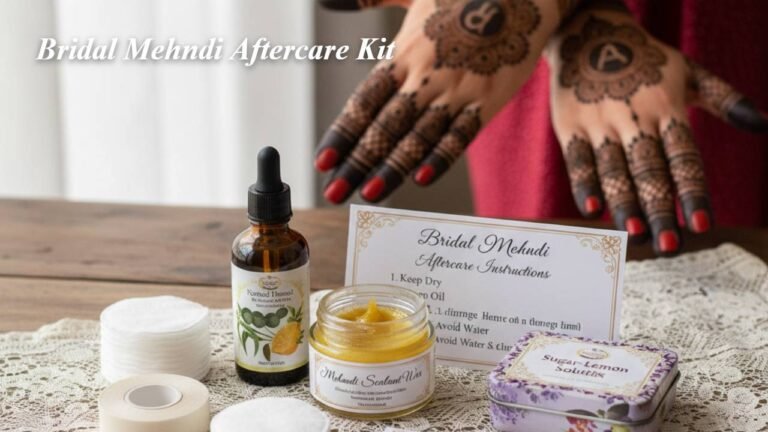
- Applying natural balm or oil
These steps preserve the developing pigment.
The Role of Essential Oils in Color Development
Terpene-rich essential oils enhance dye binding. Oils such as:
- Cajeput
- Tea tree
- Lavender
These oils improve initial penetration. However, they do not skip the orange stage. Even high-quality bridal mehndi begins bright before darkening.
Quality paste accelerates depth but never eliminates the oxidation process.
Why Mehndi Looks Orange First in Bridal Mehndi
Bridal mehndi features dense patterns, mandalas, paisleys, peacocks, and symbolic motifs. These thicker designs retain paste longer, increasing dye migration.
Even then, brides see orange immediately after removal.
Darkening happens overnight due to:
- Extended warmth
- Emotional excitement increasing circulation
- Longer paste duration
- Reduced hand washing
Dense bridal designs simply have higher darkening potential.
Comparing Natural Henna vs Chemical Cones
Some commercial cones promise instant dark color. Many contain synthetic dyes like PPD.
Natural henna always follows this sequence:
- Orange
- Reddish tone
- Deep brown
| Type | Initial Color | Final Color | Safety |
|---|---|---|---|
| Natural Henna | Orange | Brown | Safe |
| Chemical Cone | Dark immediately | Black | Risky |
Instant black stains bypass oxidation and pose health risks. Authentic mehndi artistry respects natural color evolution.
Environmental Conditions That Affect Darkening
Temperature plays a major role in why mehndi looks orange first and how fast it darkens.
Ideal Conditions
- Room temperature 24–28°C
- Moderate humidity
- Minimal washing
Challenging Conditions
- Cold winter air
- Air-conditioned halls
- Frequent water exposure
Winter weddings often require extra warmth management to achieve rich stain depth.
Why Mehndi Looks Orange First in Arabic Designs
Arabic mehndi features open spaces and flowing vines. Thin lines cool quickly after paste removal.
Because of this, Arabic patterns may appear lighter initially compared to dense Indian bridal mehndi.
Oxidation deepens these lines gradually. Artists should educate clients about this transformation to prevent unnecessary concern.
Common Mistakes That Interrupt Darkening
Many people unknowingly reduce stain depth.
Avoid these errors:
- Washing hands immediately
- Scrubbing dried paste
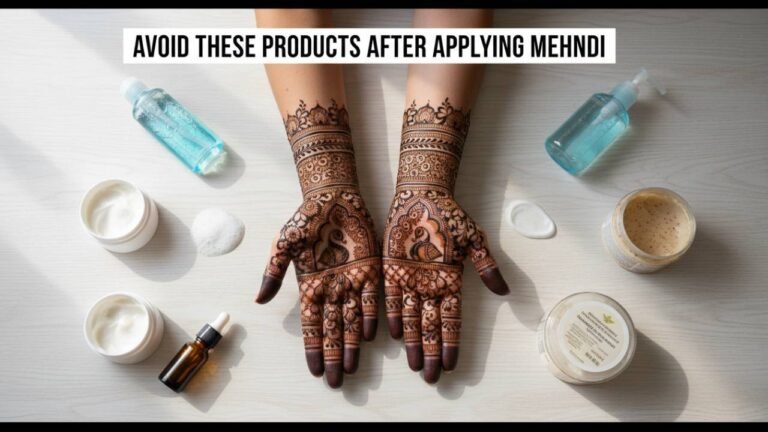
- Applying sanitizer
- Using cold water
- Removing paste within three hours
Oxidation requires time and stable conditions.
Practical Timeline for Color Development
| Time After Removal | Expected Shade | Recommended Action |
|---|---|---|
| 0 Hours | Bright orange | Keep dry |
| 12 Hours | Dark orange | Avoid soap |
| 24 Hours | Reddish brown | Apply balm |
| 48 Hours | Deep brown | Normal care resumes |
Full color stabilizes by the second day.
Cultural Symbolism of the Color Shift
Color transformation carries emotional meaning. In Indian weddings, darker mehndi symbolizes love and blessings.
Families often tease brides about stain darkness. Cultural symbolism strengthens the importance of patience during oxidation.
Regional styles such as Rajasthani bridal mehndi and Gulf Arabic patterns both celebrate deep brown tones as a sign of beauty and prosperity.
Professional Tips to Maximize Final Color
Experienced artists recommend:
- Using freshly sifted henna powder
- Allowing proper dye release before application
- Keeping paste on for 6–8 hours
- Using lemon-sugar sealant
- Applying clove steam carefully
- Protecting hands overnight
Each technique supports natural darkening after the initial orange stage.
Why Mehndi Looks Orange First: The Complete Explanation
Understanding Why Mehndi Looks Orange First requires recognizing that henna staining is a biological and chemical process, not instant paint.
The orange shade represents early dye bonding. Oxygen then strengthens the pigment. Keratin interaction deepens tone gradually. Heat and time enhance this reaction.
Artists who educate clients about this process build trust and credibility. Transparency prevents panic and reinforces professional expertise.
Frequently Asked Questions
1. How long does it take for mehndi to turn dark?
Most stains reach peak depth within 24 to 48 hours after paste removal.
2. Can I make mehndi dark immediately?
Natural henna cannot skip the orange stage. Instant dark color usually indicates chemical additives.
3. Does body heat affect darkening?
Yes. Warm skin accelerates oxidation and improves final stain depth.
4. Why is my mehndi still light after one day?
Possible reasons include cold temperature, short paste duration, or early washing.
5. Is orange color a sign of poor quality?
No. Bright orange immediately after removal is completely normal for natural henna.
Final Thoughts
Why Mehndi Looks Orange First is not a flaw but proof of authentic, natural henna chemistry at work. The transformation from bright orange to deep brown reflects proper oxidation, healthy skin interaction, and quality application techniques.
Patience allows the design to reach its full richness, whether it is bridal mehndi, Arabic patterns, or festive henna art. Explore our premium organic cones at Pinsu Mehndi Art and experience the stunning color evolution for yourself.
More Design Inspiration